Chuyên sâu trong lĩnh vực vật liệu rời công nghiệp, cung cấp giải pháp môi trường thông minh tích hợp cho phối trộn tự động, cấp liệu tập trung, khử lưu huỳnh và khử nitơ khô!
Understanding the various methods of sand mixture transport is crucial for optimizing foundry operations. The efficiency and reliability of sand transport systems directly impact production quality and cost-effectiveness in casting processes. This article explores the primary methods used in the industry, highlighting the key considerations for each approach. Shandong HeadPowder Engineering Co., Ltd., a leading provider of foundry solutions, specializes in designing and implementing efficient sand transport systems tailored to the unique needs of foundries worldwide.
1. Pneumatic Conveying Systems
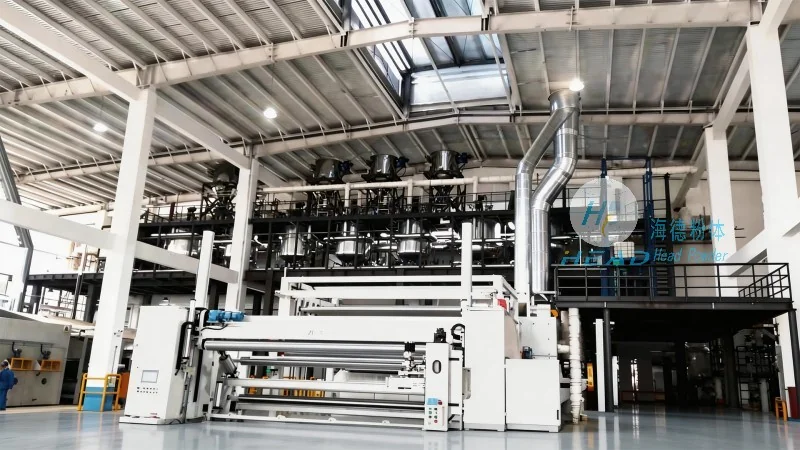
Pneumatic conveying is a widely used method for transporting sand mixtures, especially in applications requiring dust control and flexibility. This system utilizes air pressure to move materials through a network of pipes. There are two main types: dilute-phase and dense-phase pneumatic conveying. Dilute-phase systems are suitable for transporting materials over short to medium distances at higher speeds, while dense-phase systems are ideal for handling abrasive or sensitive materials, ensuring minimal degradation. The choice between these depends on the specific characteristics of the sand mixture, such as particle size, moisture content, and the required delivery rate.
2. Belt Conveyors
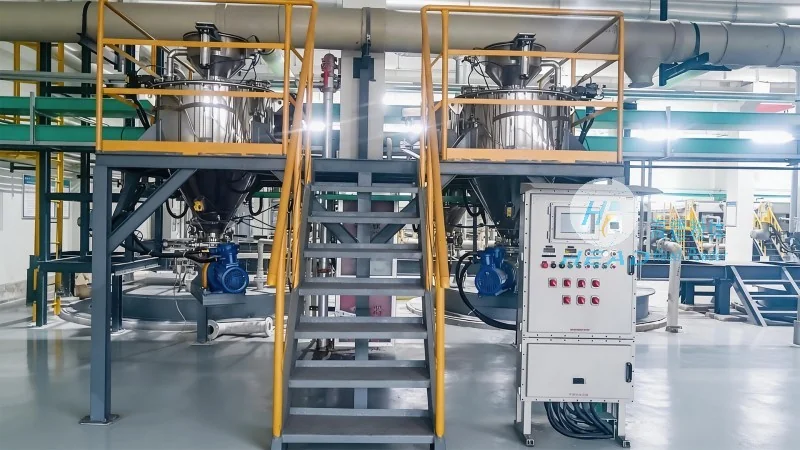
Belt conveyors represent a classic and reliable method for sand transport, particularly in bulk material handling. These systems consist of a continuous belt that moves over rollers or pulleys, transporting the sand mixture from one location to another. Belt conveyors are effective for both horizontal and inclined transport, making them versatile for various foundry layouts. They are often used in combination with other equipment, such as hoppers and feeders, to ensure a smooth flow of materials. The design of the belt, including its material and tension, is critical to prevent wear and tear, especially when handling abrasive sand mixtures. Regular maintenance is essential to maintain the efficiency and longevity of belt conveyor systems.
3. Screw Conveyors
Screw conveyors, also known as auger conveyors, are another common method for transporting sand mixtures. These systems use a rotating screw or helical blade to move materials along a trough. Screw conveyors are well-suited for vertical or inclined transport, allowing for the elevation of sand mixtures to higher levels. They are particularly effective for handling dry or semi-dry materials, as the screw can maintain a consistent flow without the need for additional equipment like hoppers. The design of the screw, including its pitch and diameter, influences the capacity and efficiency of the conveyor. For foundry applications, screw conveyors are often used in conjunction with other equipment to ensure a continuous supply of sand to molding machines.
4. Bucket Elevators
Bucket elevators are a specialized form of conveyor system designed for vertical transport of sand mixtures. These systems consist of a series of buckets attached to a belt or chain that moves vertically. Bucket elevators are capable of transporting materials over significant vertical distances, making them ideal for foundries with multi-level operations. The buckets are designed to scoop and transport the sand mixture, ensuring minimal spillage and loss. The speed and capacity of the elevator are critical factors in determining its suitability for a specific application. Proper maintenance of the bucket elevator, including regular inspection of the buckets and drive components, is essential to prevent breakdowns and ensure consistent performance.
5. Hydraulic Conveying
Hydraulic conveying systems use water or other liquids to transport sand mixtures, particularly in applications where dust control and environmental considerations are paramount. This method is often used in foundries that prioritize environmental compliance and worker safety. The sand mixture is suspended in a liquid and pumped through a pipeline to the desired location. Hydraulic conveying is effective for handling fine or abrasive materials, as the liquid helps to reduce friction and prevent material degradation. However, it requires additional equipment for liquid management and disposal, which must be considered in the overall system design. The choice of hydraulic conveying depends on the specific requirements of the foundry, including the need for dust suppression and the characteristics of the sand mixture.

6. Combination Systems
In many foundries, a combination of transport methods is used to optimize the overall system. For example, a pneumatic system might be used for short-distance transport from the storage area to a hopper, followed by a belt conveyor for horizontal transport to the molding machine. This integrated approach allows for efficient material flow and minimizes bottlenecks. The selection of a combination system depends on the layout of the foundry, the distance between equipment, and the specific characteristics of the sand mixture. Proper integration and coordination of the different components are essential to ensure smooth operation and maximize productivity.
When selecting a sand transport method, foundries must consider several factors, including the type of sand mixture, the distance to be covered, the required capacity, and the environmental regulations. Each method has its advantages and limitations, and the optimal choice depends on the specific needs of the operation. By understanding the different options available, foundries can choose the most suitable sand transport system to enhance their production efficiency and maintain quality standards.

 Shandong Headpowder Engineering Co., Ltd.
 156-6277-7102(Quản lý Trương)
  0531-83386006
  Thành phố Tế Nam, Tỉnh Sơn Đông, Trung Quốc
Điện thoại
WeChatTư vấn
Lên đầu