

Steel Grits Transportation Methods
Steel grits are essential materials in various industrial applications, and efficient transportation of these abrasive particles is crucial for maintaining productivity and safety. As a leading provider in the field, Shandong HeadPowder Engineering Co., Ltd. specializes in delivering reliable solutions for steel grits handling. This article explores the primary methods used for steel grits transportation, highlighting the key considerations and technologies employed in the process.
Understanding Steel Grits and Their Transportation Needs

Steel grits are small, angular particles typically used in surface preparation, such as abrasive blasting. Their abrasive nature and varying sizes require specialized equipment to ensure safe and efficient movement. The transportation methods must address challenges like particle segregation, dust control, and material handling efficiency. At HeadPowder, we focus on tailored solutions that meet the specific demands of each industrial application.
Common Methods for Steel Grits Transportation
Several methods are commonly employed to transport steel grits, each with its own advantages and suitability for different scenarios. The choice of method depends on factors like the grit size, production volume, and the distance to be covered. Below are the primary approaches used in industrial settings:
Pneumatic Conveying Systems
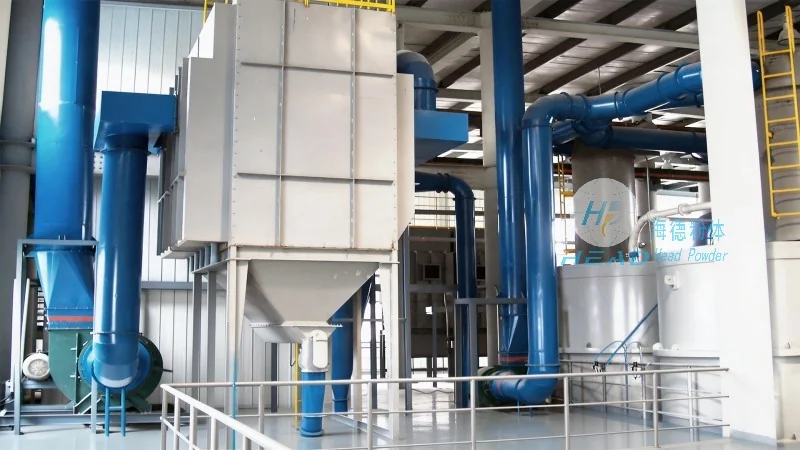
Pneumatic conveying is a widely used method for transporting steel grits, especially over short to medium distances. This system utilizes compressed air to move the abrasive particles through a pipeline. There are two main types: pressure and vacuum systems. Pressure systems push the grits forward using positive pressure, while vacuum systems draw the material using negative pressure. Pneumatic conveying offers advantages like minimal maintenance, ability to handle fine particles, and the option for multiple delivery points. However, it requires careful design to prevent particle degradation and ensure consistent flow. HeadPowder’s expertise in designing pneumatic systems ensures optimal performance for steel grits transportation.
Mechanical Conveyors
Mechanical conveyors, including belt conveyors, screw conveyors, and bucket elevators, are another common method for steel grits transportation. Belt conveyors are ideal for horizontal or slightly inclined transport, capable of handling large volumes of material. Screw conveyors are suitable for vertical or inclined movement, often used in storage and feeding applications. Bucket elevators are effective for vertical transport, transporting grits from lower to higher levels efficiently. These mechanical systems are robust and reliable, making them a preferred choice for many industrial operations. At HeadPowder, we offer customized conveyor solutions that integrate seamlessly with existing production lines, ensuring smooth and continuous steel grits handling.
Hydraulic Conveying
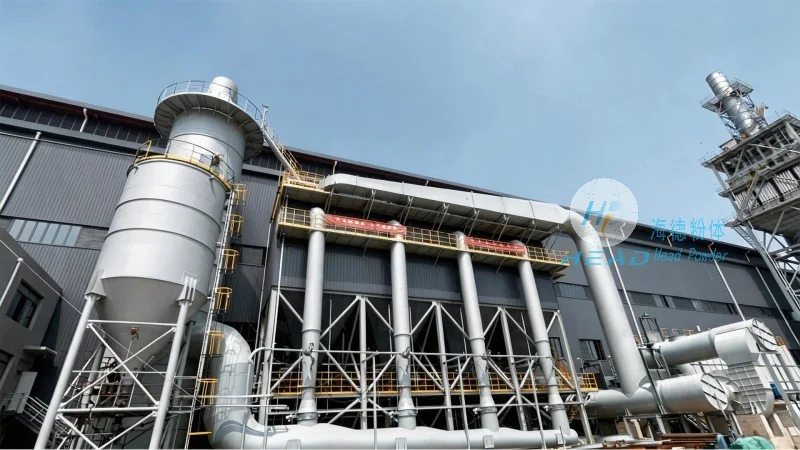
Hydraulic conveying, also known as slurry transport, involves mixing steel grits with water to form a slurry, which is then pumped through pipelines. This method is particularly useful for long-distance transport or when dealing with large quantities of material. Hydraulic systems can handle high flow rates and are effective in preventing dust generation. However, they require proper filtration and drying processes to recover the grits and manage water usage. HeadPowder’s experience in hydraulic systems ensures efficient and sustainable steel grits transportation, minimizing environmental impact while maintaining operational efficiency.
Gravity and Chute Systems
For short-distance or low-volume applications, gravity and chute systems are employed. These systems rely on the natural flow of steel grits through inclined chutes or hoppers, using gravity to move the material. This method is simple, cost-effective, and requires minimal energy. However, it is limited by the distance and angle of the chute, and may not be suitable for large or heavy grits. HeadPowder provides gravity-based solutions that are ideal for small-scale operations or as part of a larger handling system, ensuring reliable and low-maintenance steel grits transport.
Key Considerations for Steel Grits Transportation

When selecting a transportation method for steel grits, several factors must be considered to ensure optimal performance and safety. First, the grit size and shape affect the choice of equipment, as finer particles may require more precise control in pneumatic systems. Second, the distance and layout of the production facility influence the system design, with longer distances often requiring more powerful conveying systems. Third, dust control is critical, as steel grits can generate significant airborne particles that pose health risks. Proper filtration and enclosure systems are essential to maintain a safe working environment. At Shandong HeadPowder Engineering Co., Ltd., we prioritize these considerations in our design and implementation, ensuring that our clients receive tailored solutions that meet their specific needs and comply with industry standards.
Conclusion
Efficient steel grits transportation is vital for industrial operations, and the choice of method depends on various factors including distance, volume, and application requirements. From pneumatic and mechanical systems to hydraulic and gravity-based solutions, each approach offers unique advantages. At HeadPowder, we specialize in providing comprehensive steel grits handling solutions, including transportation systems, that are designed to enhance productivity, ensure safety, and minimize operational costs. Our expertise in engineering and manufacturing ensures that clients receive reliable and durable equipment tailored to their specific industrial needs. With a focus on quality and customer satisfaction, Shandong HeadPowder Engineering Co., Ltd. continues to be a trusted partner in the steel grits industry, delivering innovative solutions for efficient material handling.