

What Are the Methods of Soil Transport?
Soil transport is a critical process in various construction and engineering projects, involving the movement of earth materials from one location to another. The efficiency and effectiveness of soil transport methods directly impact project timelines, costs, and overall success. Understanding the different approaches to soil transport is essential for professionals in the industry to select the most suitable solution for their specific needs.
Overview of Common Soil Transport Methods

There are several primary methods used for soil transport, each with its own advantages and applications. The choice of method often depends on factors such as the volume of soil to be moved, the distance between the source and destination, the terrain, and the type of soil (e.g., loose or compacted). Below are some of the most common soil transport techniques employed in modern construction and earthmoving operations.
Mechanical Equipment for Soil Transport
One of the most widely used methods of soil transport involves the use of mechanical equipment. This category includes heavy machinery designed specifically for moving earth materials. The primary equipment used in this method includes excavators, bulldozers, and loaders, which are capable of digging, lifting, and transporting soil in large quantities. Excavators, for instance, use buckets to scoop and move soil, while bulldozers use blades to push and level earth. Loaders, often equipped with front buckets or scoops, can efficiently load soil into trucks or other transport vehicles. This method is particularly effective for short to medium distances and when the terrain is relatively flat or slightly sloped. The use of mechanical equipment allows for high productivity and can handle a wide range of soil types, from loose sand to compacted clay.

Pipeline and Hydraulic Systems
Another method of soil transport involves the use of pipelines and hydraulic systems. This approach is commonly known as slurry transport or hydraulic dredging. In this method, soil is mixed with water to create a slurry, which is then pumped through a pipeline to the desired location. The system typically includes a dredge pump, a pipeline network, and a disposal or processing facility at the destination. Hydraulic systems are particularly advantageous for transporting large volumes of soil over long distances, especially in water bodies or areas with challenging terrain. They are also effective for moving soil that is difficult to handle with traditional mechanical equipment, such as fine-grained soils or those with high moisture content. The use of pipelines reduces the need for heavy machinery at the destination, as the soil is delivered directly to the processing site. This method is often used in projects like dam construction, canal excavation, and land reclamation.
Truck and Vehicle Transport
Truck and vehicle transport is a straightforward and widely adopted method for soil transport, especially for shorter distances or when the soil volume is manageable. This method involves loading soil into trucks or dump trucks using loaders or excavators, and then transporting it to the destination. The soil is typically deposited in piles or directly into construction sites. Truck transport is flexible and can access areas that are difficult for larger machinery to reach. It is particularly useful for transporting soil to nearby construction sites or for small-scale projects. However, this method has limitations, such as higher fuel costs, potential environmental impacts from dust and noise, and the need for multiple trips to move large volumes of soil. The efficiency of truck transport can be improved by using specialized equipment like dump trucks with hydraulic systems to reduce loading and unloading times.

Conveyor Belt Systems
Conveyor belt systems are another effective method for soil transport, especially in industrial or mining operations where large volumes of soil need to be moved over long distances. These systems consist of a series of belts that transport soil from the source to the destination. The belts are often elevated or run on tracks to facilitate movement over uneven terrain. Conveyor belts can handle a wide range of soil types and can transport soil continuously without the need for frequent stops. This method is particularly useful for transporting soil from open-pit mines to processing facilities or for moving soil within large construction sites. The use of conveyor belts reduces labor costs and minimizes the risk of accidents associated with manual handling of soil. However, the initial setup and maintenance costs of conveyor belt systems can be high, and they may not be suitable for all types of terrain or soil conditions.
Hybrid and Innovative Methods
In recent years, hybrid and innovative methods of soil transport have emerged to address specific challenges and improve efficiency. These methods often combine elements of traditional techniques with new technologies. For example, some projects use a combination of truck transport and conveyor systems to move soil over long distances, while others employ autonomous vehicles equipped with sensors to navigate and transport soil in complex environments. Additionally, advancements in robotics and automation have led to the development of robotic excavators and loaders that can operate more efficiently and with greater precision. These innovative methods are particularly beneficial for projects with unique requirements, such as those involving hazardous soils or in confined spaces. The use of hybrid methods allows for greater flexibility and can help optimize the overall soil transport process.
Factors to Consider When Choosing a Soil Transport Method
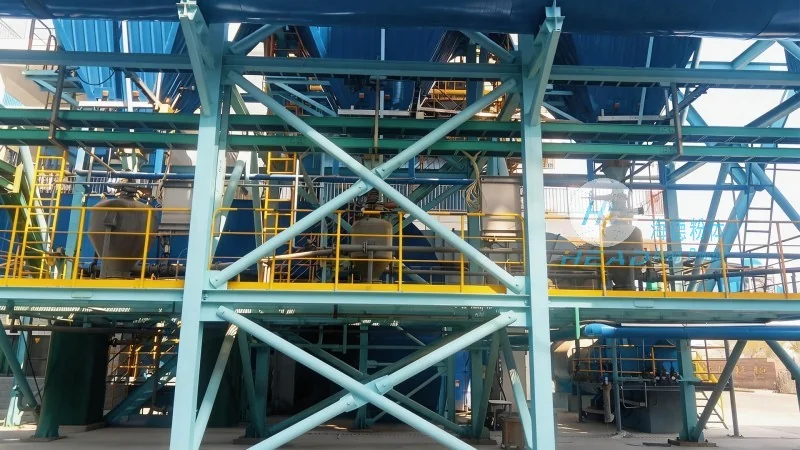
When selecting a soil transport method, several factors must be considered to ensure the most effective and efficient solution. The first factor is the volume and type of soil to be moved. Different methods are better suited for different soil types, such as loose sand versus compacted clay. The second factor is the distance between the source and destination. Short distances may be better suited for truck transport, while long distances may require pipeline or conveyor systems. The third factor is the terrain and accessibility of the site. Challenging terrain may necessitate the use of specialized equipment or innovative methods. The fourth factor is the project timeline and budget. Some methods may be more cost-effective in the long run, even if they have higher initial costs. Additionally, environmental considerations, such as minimizing dust and noise pollution, should be taken into account when choosing a soil transport method.
Conclusion
Soil transport is a vital aspect of many construction and engineering projects, and the choice of method plays a significant role in project success. From mechanical equipment to pipeline systems and truck transport, each method has its own advantages and limitations. By carefully evaluating the project requirements and considering factors such as soil type, distance, terrain, and budget, professionals can select the most appropriate soil transport method. Companies like Shandong HeadPowder Engineering Co., Ltd., with a focus on providing tailored solutions for soil transport, play a crucial role in supporting these projects. Their expertise in mechanical equipment, hydraulic systems, and innovative approaches ensures that clients can achieve their project goals efficiently and effectively.