Chuyên sâu trong lĩnh vực vật liệu rời công nghiệp, cung cấp giải pháp môi trường thông minh tích hợp cho phối trộn tự động, cấp liệu tập trung, khử lưu huỳnh và khử nitơ khô!
For industrial applications that involve the handling of gypsum and plaster powders, selecting the right conveying method is crucial for efficiency, safety, and cost-effectiveness. Shandong HeadPowder Engineering Co., Ltd., a leading provider in the field, specializes in solutions tailored to the unique characteristics of these materials. This article explores the primary methods used for transporting gypsum and plaster powders, highlighting the advantages and considerations for each approach.
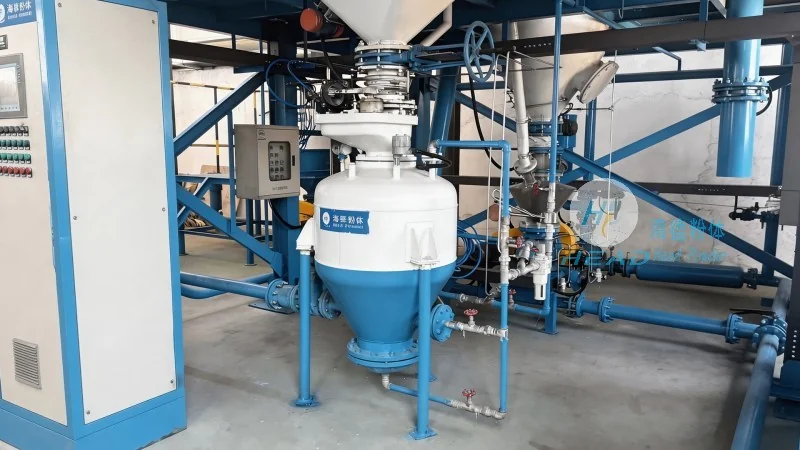
Understanding Gypsum and Plaster Powder Properties
Before delving into conveying methods, it's essential to understand the physical and chemical properties of gypsum and plaster powders. These materials are typically fine, dry powders with specific particle sizes and moisture content. Gypsum, for instance, is a calcium sulfate dihydrate that can be processed into plaster through heating. Plaster powders, often used in construction and manufacturing, have a fine texture that can lead to dust generation and caking if not handled properly. The density, flowability, and potential for static electricity are key factors that influence the choice of conveying system.
Common Conveying Methods for Gypsum and Plaster Powders
Several conveying methods are commonly employed in industrial settings to transport gypsum and plaster powders. Each method has its own set of advantages and is suitable for different operational requirements. The primary options include positive pressure systems, negative pressure systems, and mechanical screw conveyors.
Positive Pressure Conveying Systems

Positive pressure conveying systems operate by blowing air or a carrier gas into the material to create a positive pressure within the system. This method is effective for transporting powders over moderate distances and can handle materials that are prone to caking or have poor flow characteristics. The carrier air helps to keep the material suspended and prevents blockages in the pipeline. For gypsum and plaster powders, positive pressure systems are often preferred when the material needs to be transported to multiple destinations or when the system requires flexibility in routing. The equipment used typically includes blowers, ducts, and cyclone separators to collect and discharge the material at the destination. A key advantage of this method is its ability to handle abrasive or sticky powders without causing excessive wear on the system components. However, it may require more energy compared to other methods and can generate more dust, necessitating proper filtration and ventilation.
Negative Pressure Conveying Systems
Negative pressure conveying systems, also known as vacuum systems, operate by creating a vacuum in the system to draw the material into the pipeline. This method is ideal for applications where the material needs to be transported from a source to a single destination, such as from a storage silo to a processing unit. The vacuum helps to maintain the integrity of the material by preventing exposure to air, which can affect its quality, especially for plaster powders that are sensitive to moisture. Negative pressure systems are often used when the material is generated at a central point and needs to be collected and transported efficiently. The equipment includes vacuum pumps, collection hoppers, and discharge units. One of the main benefits is that they can handle fine powders without the need for high velocities, reducing the risk of material degradation. However, these systems may have limitations in terms of the distance they can cover and the amount of material they can transport at once. They also require careful maintenance to prevent dust accumulation and ensure consistent performance.
Mechanical Screw Conveyors
Mechanical screw conveyors, or auger conveyors, are a type of positive displacement conveyor that uses a rotating screw to move material along a trough. This method is particularly suitable for transporting gypsum and plaster powders that have good flowability and are not too abrasive. The screw design can be customized to handle different particle sizes and moisture levels, ensuring smooth and continuous movement. Screw conveyors are often used in horizontal or slightly inclined applications, making them ideal for moving material from one level to another or over short to medium distances. They are relatively simple in design, requiring less maintenance compared to pneumatic systems, and can be integrated with other processing equipment. A key advantage is their ability to handle a wide range of materials, including those with varying densities and flow characteristics. However, they may not be as effective for very fine powders that tend to segregate or for materials that are prone to caking. Additionally, the screw and trough may experience wear over time, especially with abrasive powders, necessitating regular inspection and replacement of components.
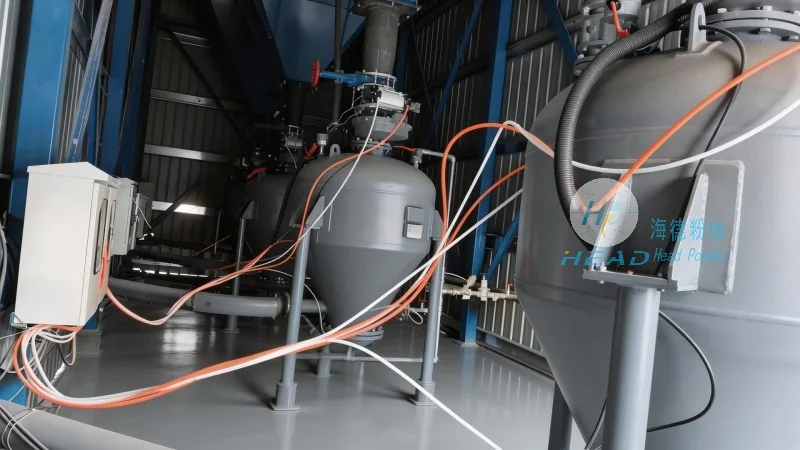
Choosing the Right Conveying Method for Your Application
When selecting a conveying method for gypsum and plaster powders, several factors must be considered to ensure optimal performance and efficiency. The first step is to evaluate the specific properties of the material, such as particle size, moisture content, and flowability. Materials with high moisture content or poor flow characteristics may require a system that can handle sticky or caking powders, such as a positive pressure system with a heated screw or a vacuum system with a drying mechanism. The distance and layout of the conveying system are also critical. For short distances and simple routing, a screw conveyor may suffice, while for longer distances or multiple destinations, a pneumatic system may be more appropriate. The budget and energy consumption are other important considerations. Positive pressure systems typically consume more energy than negative pressure systems or screw conveyors, but they may offer better flexibility and material handling capabilities. Finally, safety and environmental factors must be addressed. Gypsum and plaster powders can generate dust, which poses health risks and requires proper dust control measures. The chosen system should comply with relevant safety regulations and include features such as dust collection and ventilation to minimize exposure.
Conclusion
Choosing the right conveying method for gypsum and plaster powders is a critical decision that impacts the overall efficiency and safety of industrial operations. Shandong HeadPowder Engineering Co., Ltd. offers a range of solutions tailored to the unique needs of these materials, ensuring that businesses can select the most suitable system for their specific requirements. By understanding the properties of the material and considering factors such as distance, flowability, and energy consumption, companies can make informed decisions that lead to improved productivity and reduced operational costs. Whether using positive pressure, negative pressure, or mechanical screw conveyors, the goal is to create a system that efficiently transports the material while maintaining its quality and ensuring the safety of the operators.

 Shandong Headpowder Engineering Co., Ltd.
 156-6277-7102(Quản lý Trương)
  0531-83386006
  Thành phố Tế Nam, Tỉnh Sơn Đông, Trung Quốc
Điện thoại
WeChatTư vấn
Lên đầu