

What are the methods of sweet potato starch conveying?
When it comes to the efficient handling and transportation of sweet potato starch, selecting the right conveying method is crucial for maintaining product quality and operational efficiency. As a leading manufacturer in the starch processing industry, Shandong HeadPowder Engineering Co., Ltd. (hereinafter referred to as HeadPowder) specializes in providing advanced solutions tailored to the unique requirements of starch production. This article explores the primary methods of sweet potato starch conveying, highlighting their applications, advantages, and considerations for optimal performance.
1. Screw Conveyors for Sweet Potato Starch

Screw conveyors, also known as auger conveyors, are among the most common and versatile equipment used in the starch processing industry for conveying sweet potato starch. These systems consist of a rotating helical screw inside a U-shaped or cylindrical housing. The screw's rotation creates a pushing action that moves the starch material forward. For sweet potato starch, which often has a fine, powdery consistency, screw conveyors are particularly effective due to their ability to handle dry, free-flowing powders without causing excessive friction or degradation. HeadPowder's screw conveyors are designed with high-quality stainless steel or food-grade materials to ensure durability and compliance with sanitary standards. The smooth, polished surfaces minimize product buildup and prevent contamination, making them ideal for food processing applications. Additionally, these conveyors can be equipped with variable speed drives, allowing operators to adjust the conveying rate based on production needs, thereby optimizing energy consumption and maintaining consistent product flow.
2. Pneumatic Conveying Systems
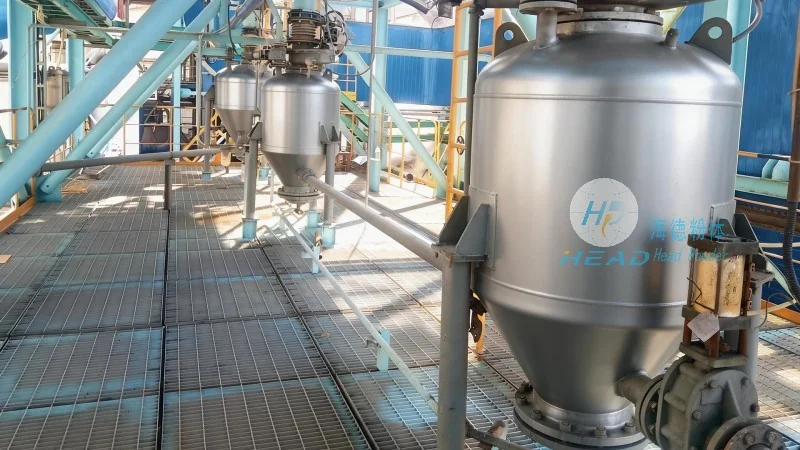
Pneumatic conveying systems utilize air or gas to transport sweet potato starch through a network of pipes. This method is particularly advantageous for handling fine powders that are prone to dusting or clogging in traditional mechanical systems. There are two main types of pneumatic conveyors: pressure and vacuum. Pressure systems use compressed air to push the starch material through the pipeline, while vacuum systems draw the material using a suction mechanism. For sweet potato starch, which can be sensitive to moisture and pressure changes, vacuum systems are often preferred as they create a gentler environment that minimizes product degradation. HeadPowder's pneumatic conveying solutions are engineered with high-efficiency air blowers and specialized ductwork to ensure reliable and efficient material transport. The systems are designed to handle varying particle sizes and moisture contents, making them suitable for both raw starch and refined products. Pneumatic conveyors also offer the benefit of being able to transport starch over longer distances without the need for multiple transfer points, reducing the risk of contamination and improving overall operational efficiency.
3. Bucket Elevators for Vertical Conveying
Vertical conveying of sweet potato starch is often required in processing facilities to move materials from lower to higher levels, such as from storage silos to processing equipment. Bucket elevators are a reliable and efficient solution for this purpose. These systems consist of a continuous chain with attached buckets that travel inside a vertical or inclined housing. As the chain moves, the buckets scoop up the starch material at the bottom and discharge it at the top. HeadPowder's bucket elevators are constructed with robust, corrosion-resistant materials to withstand the abrasive nature of starch powders. The design includes features like adjustable bucket spacing and smooth discharge mechanisms to prevent material spillage and ensure consistent flow. For sweet potato starch, which can be lightweight and prone to settling, the bucket elevator's ability to maintain a steady, controlled flow is critical. This method is particularly useful in facilities where space is limited, as it allows for vertical transport without occupying horizontal floor space. Additionally, bucket elevators can be integrated with dust collection systems to minimize airborne particles and maintain a clean working environment.
4. Belt Conveyors for Bulk Material Handling
Belt conveyors are widely used in the starch industry for transporting larger quantities of sweet potato starch, especially in bulk handling applications. These systems consist of a continuous belt that moves over rollers or pulleys, carrying the starch material from one point to another. For sweet potato starch, which is often processed in large batches, belt conveyors provide a cost-effective and efficient means of moving the product. HeadPowder's belt conveyor systems are designed with heavy-duty belts and sturdy frame structures to handle high volumes and varying loads. The conveyors can be equipped with side walls or load chutes to prevent material spillage and ensure a smooth transfer. One of the key advantages of belt conveyors is their ability to handle a wide range of material types and sizes, including wet or slightly sticky starch products. This flexibility makes them suitable for both primary and secondary processing stages. Additionally, belt conveyors can be integrated with sensors and control systems to monitor flow rates and detect blockages, enhancing operational safety and efficiency.
5. Combination Conveying Systems
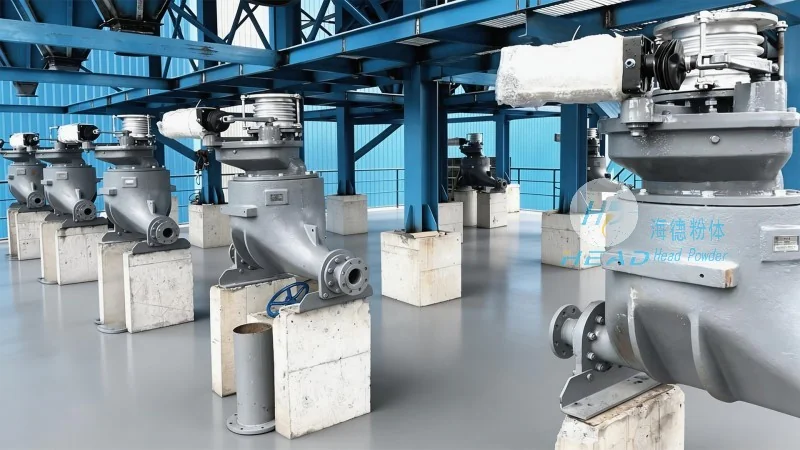
In many starch processing facilities, a single conveying method may not be sufficient to meet all operational requirements. As a result, combination conveying systems are increasingly common, integrating multiple technologies to achieve optimal performance. HeadPowder offers customized combination systems that combine the strengths of screw, pneumatic, and belt conveyors to address specific production challenges. For example, a typical system might use a screw conveyor to transport starch from a storage bin to a pneumatic conveyor, which then moves it to a bucket elevator for vertical transport to the processing line. This integrated approach ensures seamless material flow, reduces downtime, and minimizes the risk of product contamination. Combination systems also allow for better control over moisture content and temperature, which are critical factors in maintaining the quality of sweet potato starch. By leveraging the advantages of each individual method, these systems provide a comprehensive solution for complex starch processing operations.

6. Factors to Consider When Choosing a Conveying Method
When selecting the appropriate conveying method for sweet potato starch, several factors must be taken into account to ensure optimal performance and product quality. First, the physical properties of the starch, such as particle size, moisture content, and flowability, play a significant role. Fine, dry starch may be better suited for pneumatic or screw conveyors, while larger, bulkier particles might benefit from belt conveyors. Second, the distance and elevation changes required for material transport are important considerations. Short horizontal distances may be handled by screw or belt conveyors, while longer vertical or horizontal distances may necessitate pneumatic or bucket elevators. Third, the facility layout and available space must be evaluated. Vertical space constraints may favor bucket elevators or combination systems, while horizontal space limitations might lead to the use of screw or belt conveyors. Fourth, operational costs, including energy consumption, maintenance requirements, and equipment lifespan, should be considered. Finally, compliance with sanitary and safety standards is crucial, especially in food processing applications. HeadPowder's expertise in designing and manufacturing conveying systems ensures that all these factors are carefully evaluated to provide the most suitable solution for each customer's specific needs.
Conclusion
In conclusion, the choice of sweet potato starch conveying method depends on a variety of factors, including the material's properties, the required transport distance, and the facility's layout. Screw conveyors offer versatility and efficiency for fine powders, while pneumatic systems excel in handling dust-prone materials over longer distances. Bucket elevators are ideal for vertical transport, and belt conveyors are suitable for bulk handling. By understanding the strengths and limitations of each method, starch processing facilities can select the most appropriate conveying solution to enhance operational efficiency, maintain product quality, and ensure compliance with industry standards. As a leading provider of starch processing equipment, Shandong HeadPowder Engineering Co., Ltd. continues to innovate and provide advanced conveying solutions tailored to the evolving needs of the industry.