Chuyên sâu trong lĩnh vực vật liệu rời công nghiệp, cung cấp giải pháp môi trường thông minh tích hợp cho phối trộn tự động, cấp liệu tập trung, khử lưu huỳnh và khử nitơ khô!
Polysilicon, a critical material in the semiconductor and solar energy industries, requires precise and efficient transportation to maintain its purity and structural integrity. The choice of conveying method is critical as it directly impacts operational efficiency, material quality, and overall production costs. This article delves into the primary polysilicon conveying methods, exploring their applications, advantages, and considerations to help industry professionals make informed decisions.
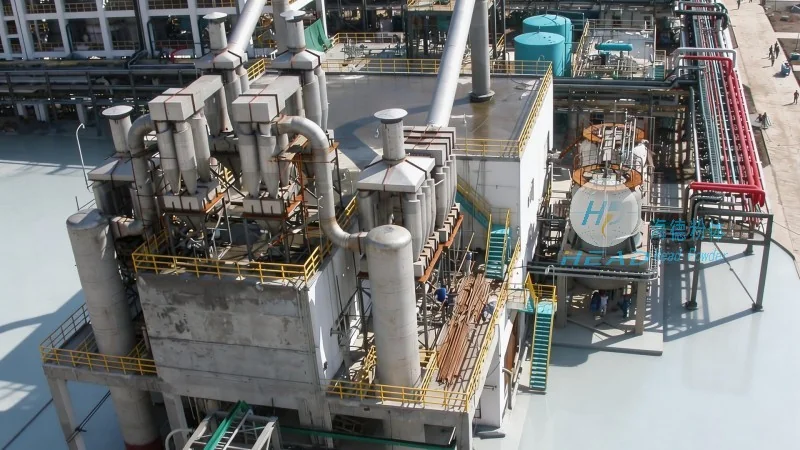
1. Pneumatic Conveying Systems
Pneumatic conveying systems utilize air pressure to transport polysilicon through a pipeline, making them ideal for applications requiring dust control and minimal material contact with mechanical components. These systems are available in two main configurations: dilute-phase and dense-phase. Dilute-phase systems are suitable for low to medium flow rates and short to medium distances, while dense-phase systems are preferred for high flow rates and longer distances, ensuring better material containment and reduced pressure drops. Pneumatic conveying offers advantages such as flexibility in layout, low maintenance requirements, and the ability to handle fine powders without the risk of abrasion or contamination. However, it may not be suitable for very large quantities or materials with high moisture content, as it can lead to increased energy consumption and material degradation.
2. Belt Conveyors

Belt conveyors are a robust and widely used solution for polysilicon transportation, particularly in bulk handling scenarios. These systems employ a continuous belt that moves material horizontally or at a slight incline, making them effective for long-distance transport. Belt conveyors are known for their durability, high capacity, and ability to handle large volumes of material efficiently. The choice of belt material, such as food-grade or industrial-grade rubber, is crucial to prevent material contamination and ensure smooth operation. Regular maintenance, including belt tension checks and cleaning, is essential to maintain the conveyor's performance and prevent material buildup or spillage. Belt conveyors are particularly advantageous in applications where the material needs to be transported over uneven terrain or through multiple stages of processing.
3. Screw Conveyors
Screw conveyors, or auger conveyors, are designed for vertical or inclined transport of polysilicon, making them suitable for elevating material from lower to higher levels or moving it at an angle. These systems consist of a rotating screw inside a tube, which pushes the material forward as it rotates. Screw conveyors are effective for handling dry, free-flowing materials and are often used in processing plants where the material needs to be transferred between different equipment. The pitch of the screw (the distance between the flights) and the rotational speed are critical factors that determine the conveying capacity and material flow. Proper design ensures that the material is transported without excessive pressure or friction, minimizing the risk of degradation. Screw conveyors are relatively simple in design and can be easily integrated into existing production lines, but they may not be suitable for very fine or cohesive materials, as the screw can cause blockages or material breakdown.

4. Bucket Elevators
Bucket elevators are a specialized vertical conveying system that uses a series of buckets attached to a chain or belt to lift polysilicon from a lower to a higher level. These systems are highly efficient for vertical transport and can handle large volumes of material, making them ideal for applications such as feeding silos or moving material to upper processing stages. The design of the buckets, including their shape and material, is crucial for preventing material spillage and ensuring smooth lifting. Bucket elevators are known for their reliability and ability to handle a wide range of materials, including fine powders like polysilicon. They are particularly advantageous in applications where the material needs to be elevated to significant heights, as they can achieve high vertical lift with minimal horizontal space. However, bucket elevators require regular maintenance to ensure the chain or belt remains in good condition and to prevent material degradation or blockages.
HeadPowder: Your Trusted Partner in Polysilicon Conveying Solutions
Shandong HeadPowder Engineering Co., Ltd., operating under the brand name HeadPowder, is a leading provider of polysilicon conveying solutions. With a strong presence in Shandong, China, HeadPowder leverages advanced engineering and industry expertise to develop and manufacture high-quality conveying systems tailored to the specific needs of the polysilicon industry. The company's products are designed to maintain the purity and integrity of polysilicon during transportation, ensuring that clients receive materials of the highest quality. HeadPowder's team of experts works closely with clients to understand their operational requirements and provides customized solutions that enhance efficiency and reduce costs. By choosing HeadPowder, clients can rely on a partner that is committed to innovation, quality, and customer satisfaction, ensuring that their polysilicon transportation processes are optimized for maximum performance and reliability.

 Shandong Headpowder Engineering Co., Ltd.
 156-6277-7102(Quản lý Trương)
  0531-83386006
  Thành phố Tế Nam, Tỉnh Sơn Đông, Trung Quốc
Điện thoại
WeChatTư vấn
Lên đầu