Chuyên sâu trong lĩnh vực vật liệu rời công nghiệp, cung cấp giải pháp môi trường thông minh tích hợp cho phối trộn tự động, cấp liệu tập trung, khử lưu huỳnh và khử nitơ khô!
Cellulose, a primary component of plant cell walls, is widely utilized in industries such as paper manufacturing, textile production, and biofuel processing. The efficient and reliable conveyance of cellulose is essential for maintaining production efficiency and minimizing operational costs. This article explores the common methods used for cellulose conveying, highlighting key considerations and applications in industrial settings.
Key Factors Influencing Cellulose Conveying
Before discussing specific methods, it is crucial to understand the factors that influence the choice of a conveying system. The properties of cellulose, including its particle size, moisture content, and bulk density, play a significant role. Additionally, the distance and height of the conveying, as well as the required flow rate, are critical parameters. These factors help determine the most suitable conveying method for a particular application.

Common Cellulose Conveying Methods
Several methods are employed for the transportation of cellulose materials. Each method has its advantages and limitations, making it suitable for different industrial scenarios. The primary methods include:
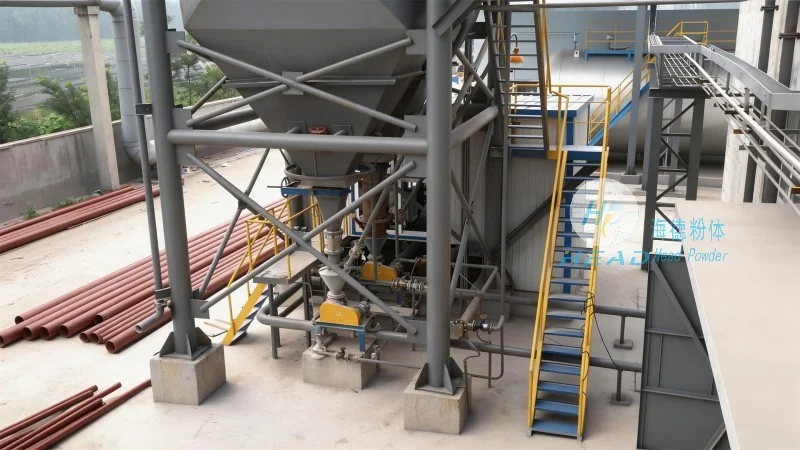
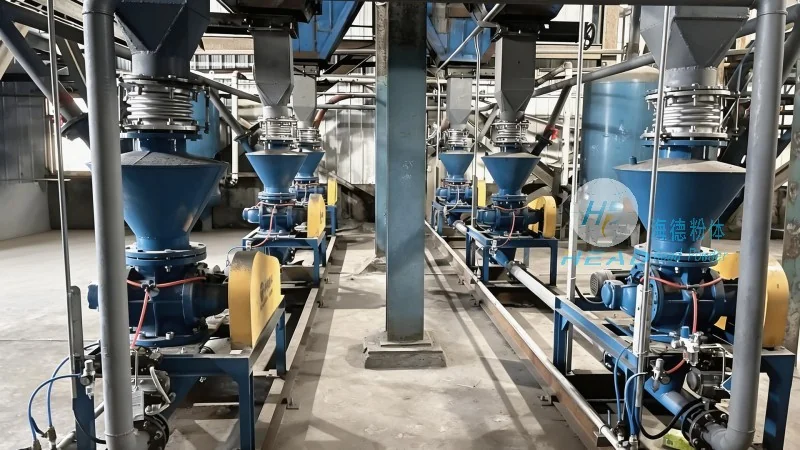
Pneumatic Conveying: This method uses air or other gases to transport cellulose particles through a pipeline. It is ideal for conveying fine or dusty materials over moderate distances. Pneumatic systems can be either pressure or vacuum-based, with pressure systems being more common for longer distances and higher flow rates.
Mechanical Conveyors: Mechanical conveyors, such as belt conveyors, screw conveyors, and bucket elevators, are widely used for cellulose conveying. Belt conveyors are suitable for transporting bulk quantities of cellulose over short to medium distances. Screw conveyors are effective for handling fibrous materials and can operate in vertical or horizontal configurations. Bucket elevators are used for vertical lifting of cellulose, especially in paper mills where large volumes of pulp need to be moved between different levels.
Vibrating Conveyors: Vibrating conveyors use vibration to move cellulose along a trough. This method is gentle on the material and can handle a wide range of particle sizes and moisture contents. It is commonly used in applications where material degradation needs to be minimized, such as in the processing of high-value cellulose products.
Hydraulic Conveying: Although less common for cellulose, hydraulic systems can be used for transporting slurries containing cellulose. These systems use water or other liquids to move the material through pipes. Hydraulic conveying is typically employed in applications where the material is mixed with water, such as in the papermaking process.
Choosing the Right Conveying System for Your Needs
Selecting the appropriate cellulose conveying system requires a thorough analysis of the specific requirements of the application. Factors such as the material's properties, the distance and height of the conveying, and the required flow rate must be carefully evaluated. For example, if the cellulose is fine and dusty, pneumatic conveying might be the best choice. If the material is bulky and needs to be moved over short distances, a belt conveyor could be more efficient. The choice also depends on the budget and maintenance considerations. It is advisable to consult with experts from companies like Shandong HeadPowder Engineering Co., Ltd., which specializes in designing and manufacturing conveying systems tailored to specific industrial needs.
Conclusion
Efficient cellulose conveying is a critical aspect of many industrial processes. By understanding the different methods available and the factors influencing their selection, industries can optimize their operations and reduce costs. Whether using pneumatic, mechanical, or other types of conveyors, the goal is to ensure reliable and cost-effective transportation of cellulose materials. Companies like Shandong HeadPowder Engineering Co., Ltd. offer expertise and solutions to help industries achieve their conveying needs effectively.

 Shandong Headpowder Engineering Co., Ltd.
 156-6277-7102(Quản lý Trương)
  0531-83386006
  Thành phố Tế Nam, Tỉnh Sơn Đông, Trung Quốc
Điện thoại
WeChatTư vấn
Lên đầu