Chuyên sâu trong lĩnh vực vật liệu rời công nghiệp, cung cấp giải pháp môi trường thông minh tích hợp cho phối trộn tự động, cấp liệu tập trung, khử lưu huỳnh và khử nitơ khô!
When it comes to managing ceramic powder in industrial settings, selecting the appropriate pneumatic conveying system is crucial for efficiency, product integrity, and operational reliability. The right system can significantly enhance production throughput while minimizing downtime and material loss. This guide from Shandong HeadPowder Engineering Co., Ltd. (commonly known as HeadPowder) outlines key considerations to help you make an informed decision.
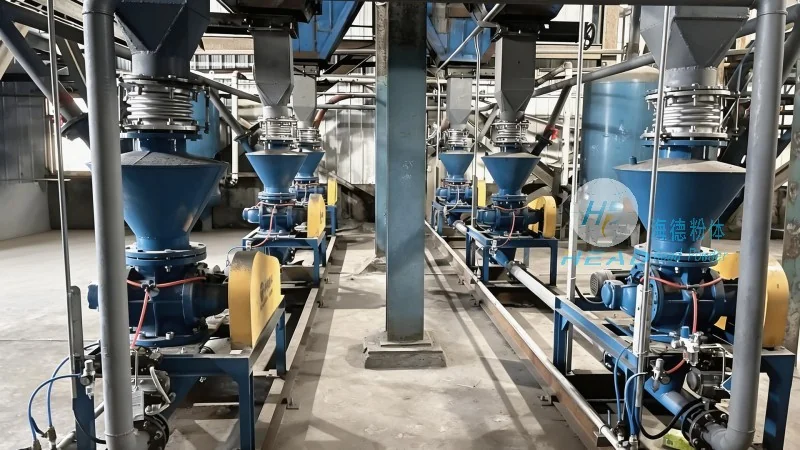
Understanding the Core Factors in System Selection
The first step in choosing a pneumatic conveying system for ceramic powders is to evaluate the physical and chemical properties of the material. Ceramic powders vary widely in particle size, density, moisture content, and flowability. For instance, fine powders with high moisture content may require specialized equipment to prevent caking or blockages. HeadPowder specializes in systems tailored to these specific characteristics, ensuring optimal performance.
Types of Pneumatic Conveying Systems
There are primarily two types of pneumatic conveying systems: positive pressure and negative pressure. Positive pressure systems use compressed air to push material through a pipeline, while negative pressure systems use vacuum to draw material. The choice between these depends on the distance, height, and material properties. For long-distance or high-rise applications, positive pressure systems are often more efficient. HeadPowder offers both types, with custom configurations to match your facility's layout and operational needs.
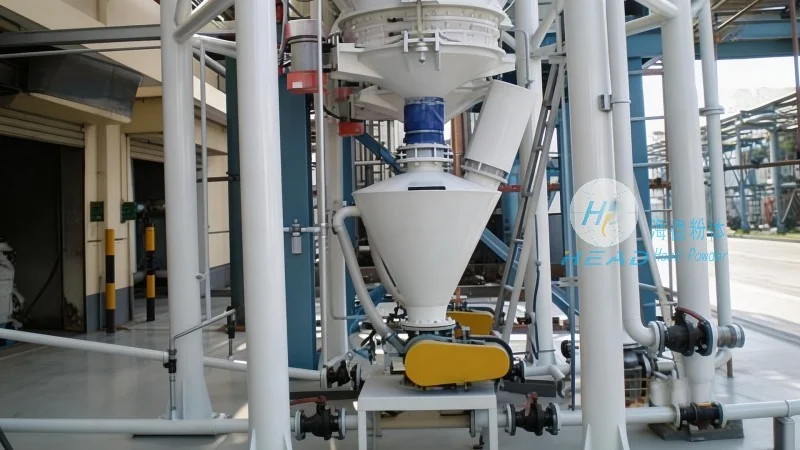
Key Performance Metrics to Consider
Several performance metrics are critical when evaluating pneumatic conveying systems. These include system capacity, pressure drop, energy consumption, and material handling efficiency. A well-designed system from HeadPowder ensures minimal pressure loss, which reduces energy costs and extends equipment lifespan. Additionally, the system's ability to handle abrasive materials without excessive wear is essential for long-term reliability. HeadPowder's engineering team conducts thorough assessments to match these metrics with your production requirements.

Integration with Existing Infrastructure
Another critical factor is how the new system integrates with your existing plant infrastructure. This includes compatibility with current piping, control systems, and storage facilities. HeadPowder provides comprehensive integration services, ensuring that the new pneumatic conveying system works seamlessly with your current operations. This minimizes disruptions during installation and maximizes the return on investment.
Maintenance and Long-Term Support

Long-term operational success depends on reliable maintenance and support. HeadPowder offers comprehensive after-sales services, including regular maintenance plans, spare parts availability, and technical support. Their expertise in ceramic powder handling ensures that any issues are addressed promptly, reducing downtime and maintaining production continuity. This commitment to support is a key differentiator for businesses seeking a partner for their material handling solutions.
Conclusion
Selecting the right pneumatic conveying system for ceramic powder handling requires a detailed analysis of material properties, operational requirements, and infrastructure compatibility. Shandong HeadPowder Engineering Co., Ltd. leverages its expertise in the field to provide customized solutions that meet these criteria. By considering the factors outlined above and partnering with HeadPowder, you can enhance your production efficiency, ensure product quality, and achieve long-term operational success in your ceramic powder handling processes.

 Shandong Headpowder Engineering Co., Ltd.
 156-6277-7102(Quản lý Trương)
  0531-83386006
  Thành phố Tế Nam, Tỉnh Sơn Đông, Trung Quốc
Điện thoại
WeChatTư vấn
Lên đầu