Chuyên sâu trong lĩnh vực vật liệu rời công nghiệp, cung cấp giải pháp môi trường thông minh tích hợp cho phối trộn tự động, cấp liệu tập trung, khử lưu huỳnh và khử nitơ khô!
Graphite electrodes are critical components in the steelmaking industry, and their efficient transport is essential for maintaining production efficiency. Pneumatic conveying systems offer a reliable and flexible method for moving these heavy and often abrasive materials. However, designing a system that meets both operational and safety standards requires careful consideration of multiple factors. This article provides a comprehensive guide to designing a reasonable graphite electrode pneumatic conveying system, focusing on key components, design principles, and practical applications.

Key Components of a Graphite Electrode Pneumatic Conveying System
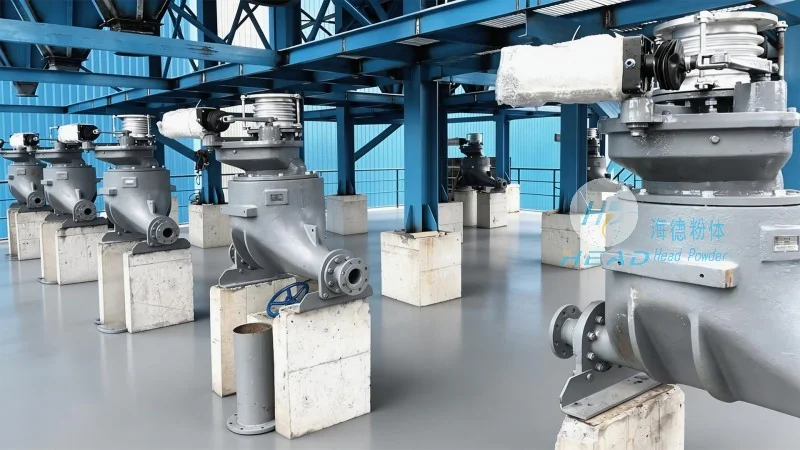
A typical graphite electrode pneumatic conveying system consists of several interconnected parts. The primary components include a hopper or storage bin for holding the electrodes, a feeder to control the flow rate, a conveying line (usually made of corrosion-resistant materials like stainless steel or special alloys), a vacuum or pressure source (such as a blower or compressor), and a receiver or discharge point. Each component plays a vital role in ensuring the smooth and safe transport of graphite electrodes. For instance, the hopper must be designed to prevent material buildup and ensure uniform feeding, while the conveying line must be able to withstand the abrasive nature of graphite without excessive wear.
Design Principles for Efficient Graphite Electrode Transport

Efficient design of a graphite electrode pneumatic conveying system hinges on several key principles. First, material selection is crucial. The system components, especially the conveying line and valves, must be made from materials that can resist the abrasive and corrosive properties of graphite. Stainless steel or specialized alloys are commonly used for this purpose. Second, pressure and flow control are essential. The system must maintain a consistent pressure and flow rate to prevent blockages or excessive energy consumption. This often involves using variable frequency drives (VFDs) to adjust the speed of the feeder and blower, ensuring optimal performance under varying load conditions. Third, safety considerations are paramount. The system should include features such as pressure relief valves, explosion-proof components, and proper grounding to prevent accidents and ensure compliance with industrial safety regulations.
Application Scenarios and Industry Requirements
Graphite electrode pneumatic conveying systems are widely used in various industrial settings, particularly in steel mills and foundries. The systems are designed to handle large volumes of graphite electrodes, often ranging from several hundred kilograms to several tons per hour. In these applications, the system must be capable of transporting electrodes over long distances, sometimes up to several hundred meters, while maintaining minimal material loss and high efficiency. The design must also account for the specific requirements of the end-use application, such as the need for precise positioning of electrodes in furnaces or the need to minimize dust generation during transport. Companies like Shandong HeadPowder Engineering Co., Ltd. specialize in providing customized solutions tailored to these industry needs, ensuring that the systems are both efficient and reliable.
Customization and Maintenance Considerations
Due to the unique properties of graphite electrodes, many pneumatic conveying systems require customization to meet specific operational requirements. This includes adjusting the hopper size and shape, selecting appropriate feeder types (such as rotary valves or screw feeders), and optimizing the conveying line diameter and length. Regular maintenance is also critical to ensure the longevity and performance of the system. This includes inspecting and replacing worn components, cleaning the conveying line to prevent material buildup, and monitoring system performance to detect potential issues early. By adhering to these maintenance practices, users can maximize the lifespan of their graphite electrode pneumatic conveying systems and minimize downtime.
Conclusion
Designing a reasonable graphite electrode pneumatic conveying system requires a comprehensive understanding of the components, design principles, and application requirements. By carefully selecting materials, controlling pressure and flow, and prioritizing safety, manufacturers can develop systems that are both efficient and reliable. Companies like Shandong HeadPowder Engineering Co., Ltd. offer expertise in designing and implementing such systems, ensuring that clients receive solutions tailored to their specific needs. With proper design and maintenance, pneumatic conveying systems can effectively transport graphite electrodes, contributing to improved productivity and safety in the steelmaking industry.

 Shandong Headpowder Engineering Co., Ltd.
 156-6277-7102(Quản lý Trương)
  0531-83386006
  Thành phố Tế Nam, Tỉnh Sơn Đông, Trung Quốc
Điện thoại
WeChatTư vấn
Lên đầu