

How to Design a Reasonable Polycarbonate Pneumatic Conveying System Plan?
When it comes to selecting and implementing a pneumatic conveying system for transporting materials, the choice of components and design approach is critical to ensure efficiency, reliability, and cost-effectiveness. For applications involving polycarbonate materials, a well-designed system can significantly enhance operational performance while minimizing maintenance and downtime. This article provides a comprehensive guide to designing a reasonable polycarbonate pneumatic conveying system plan, focusing on key considerations and best practices from industry experts at HeadPowder, a leading engineering firm based in Shandong, China.
Understanding the Basics of Polycarbonate Pneumatic Conveying
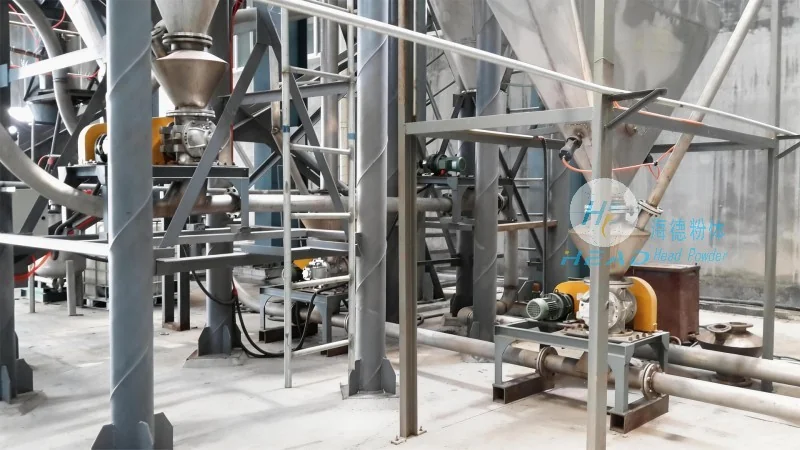
Polycarbonate is a high-performance thermoplastic known for its excellent impact resistance, optical clarity, and chemical stability. These properties make it ideal for a wide range of applications, from automotive parts to consumer electronics. However, its unique characteristics also require specialized handling in pneumatic conveying systems. Unlike traditional materials, polycarbonate particles can be more abrasive and may have varying densities and flow characteristics. Therefore, the design of the system must account for these factors to prevent material degradation, equipment wear, and system inefficiencies.
Key Design Considerations for Polycarbonate Pneumatic Conveying Systems
Several critical factors must be evaluated when designing a polycarbonate pneumatic conveying system. The first is the type of conveying system—whether it’s a pressure or vacuum system. Pressure systems are generally preferred for polycarbonate due to their ability to handle abrasive materials and maintain consistent flow rates. The system design should also consider the material’s particle size distribution, as larger particles may require higher air velocities and more robust equipment. Additionally, the system must be equipped with appropriate filtration and separation mechanisms to prevent polycarbonate particles from clogging or damaging downstream components. HeadPowder engineers recommend using high-quality, corrosion-resistant materials for all system components to ensure long-term durability and performance.
Component Selection and System Layout
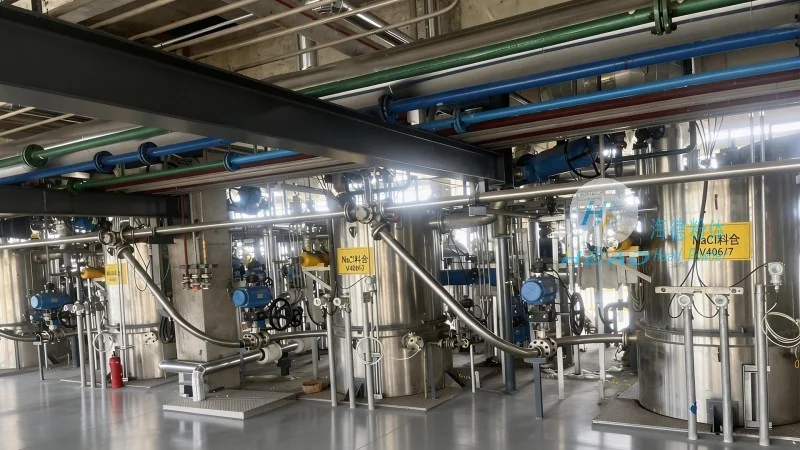
The selection of components plays a pivotal role in the success of a polycarbonate pneumatic conveying system. The system typically includes a hopper for material storage, a feeder to control the flow rate, a conveying line with appropriate ductwork, and a receiver for the material. For polycarbonate, the hopper and feeder should be designed with smooth, non-abrasive surfaces to prevent material buildup and wear. The ductwork should be made of materials that can withstand the abrasive nature of polycarbonate, such as stainless steel or specialized polymers. The receiver should be equipped with a dust collection system to maintain air quality and prevent polycarbonate particles from escaping into the environment. HeadPowder’s engineering team emphasizes the importance of proper system layout, ensuring that the conveying line is as short and direct as possible to minimize pressure losses and energy consumption.
Control and Monitoring Systems
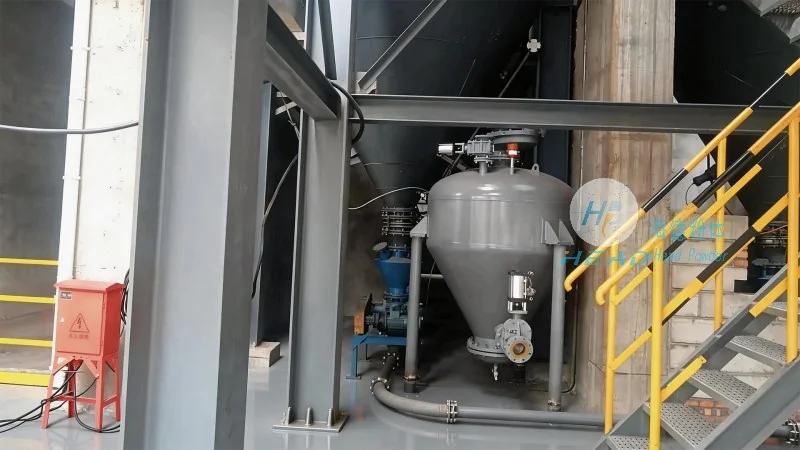
Effective control and monitoring are essential for maintaining the optimal operation of a polycarbonate pneumatic conveying system. Modern systems often incorporate advanced control panels that allow operators to adjust air pressure, flow rates, and material feed rates in real-time. Sensors and monitoring devices can detect system anomalies, such as pressure drops or material blockages, and trigger alerts to prevent equipment damage or material loss. HeadPowder recommends implementing a comprehensive monitoring system that includes temperature sensors, flow meters, and pressure gauges to provide continuous feedback on system performance. This proactive approach helps identify potential issues early, reducing downtime and maintenance costs.
Maintenance and Troubleshooting Guidelines
Maintaining a polycarbonate pneumatic conveying system requires regular inspection and maintenance to ensure long-term reliability. Key maintenance tasks include cleaning the hopper and feeder to prevent material buildup, inspecting ductwork for signs of wear or clogging, and replacing worn components such as seals and filters. HeadPowder’s technical support team provides detailed maintenance schedules and troubleshooting guides to help users address common issues efficiently. For example, if the system experiences reduced flow rates, it may indicate a blockage in the conveying line, which can be resolved by clearing the obstruction or adjusting the air pressure. Regular maintenance not only extends the lifespan of the system but also ensures consistent material quality and operational efficiency.
Case Study: Successful Implementation by HeadPowder
HeadPowder has successfully implemented polycarbonate pneumatic conveying systems for several clients in China, including manufacturers of automotive parts and optical components. One notable project involved a client in Shandong who needed to transport polycarbonate pellets from a storage hopper to a molding machine. HeadPowder designed a pressure pneumatic conveying system with stainless steel ductwork and a high-capacity feeder. The system was able to maintain a consistent flow rate of 500 kg per hour, with minimal pressure loss and no material degradation. The client reported a 20% reduction in downtime and a 15% decrease in maintenance costs after the system was installed. This case study highlights the effectiveness of a well-designed polycarbonate pneumatic conveying system in improving operational efficiency and reducing costs.