Chuyên sâu trong lĩnh vực vật liệu rời công nghiệp, cung cấp giải pháp môi trường thông minh tích hợp cho phối trộn tự động, cấp liệu tập trung, khử lưu huỳnh và khử nitơ khô!
Designing an efficient and reliable clay coal powder pneumatic conveying system requires a thorough understanding of material properties, system dynamics, and operational requirements. The goal is to create a system that minimizes material degradation, ensures consistent flow, and maximizes energy efficiency. This guide will explore the key considerations and steps involved in developing a well-designed system, with a focus on the expertise of Shandong HeadPowder Engineering Co., Ltd. located in Shandong, China. The company specializes in engineering solutions for material handling, particularly in the design and implementation of pneumatic conveying systems for various bulk materials, including clay coal powder.
Key Factors in System Design

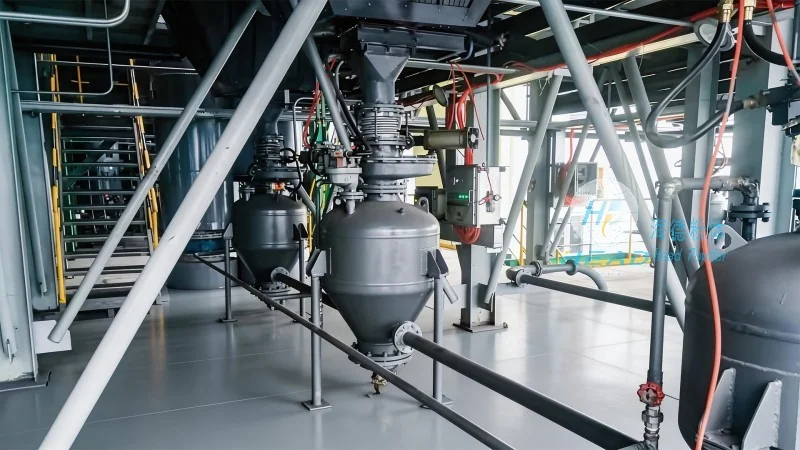
The success of a clay coal powder pneumatic conveying system hinges on several critical factors. First, the physical characteristics of the clay coal powder, such as particle size distribution, moisture content, and bulk density, must be carefully analyzed. These properties directly impact the system's air velocity requirements and the choice of conveying line diameter. For example, finer particles may require higher air velocities to prevent clogging, while larger particles may need larger line diameters to maintain flow. The moisture content is also a critical factor, as excess moisture can cause clumping and reduce the material's flowability. Shandong HeadPowder Engineering Co., Ltd. conducts detailed material analysis to tailor the system design to the specific needs of the application, ensuring optimal performance and longevity.
Equipment Selection and Configuration
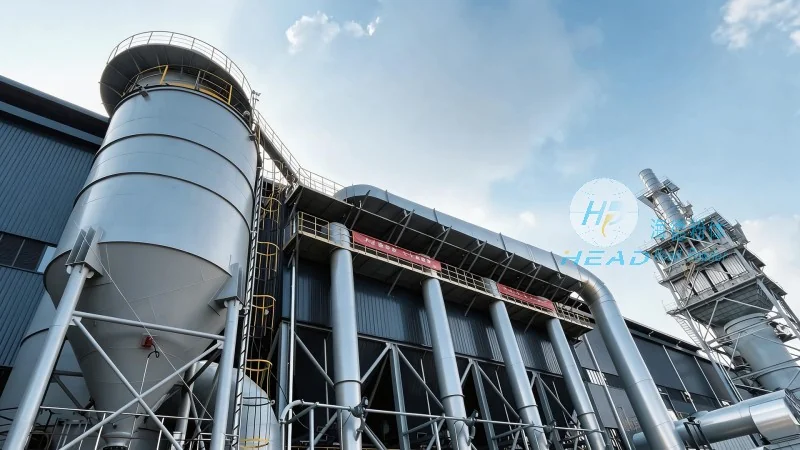
Choosing the right equipment is paramount to the system's performance. The primary components include the material feeder, air compressor, conveying lines, and dust collection system. The material feeder must be capable of handling the bulk density and flow rate of the clay coal powder without causing blockages or degradation. For this application, a rotary valve or a screw feeder is often preferred to maintain consistent material flow. The rotary valve provides a controlled discharge of material, while the screw feeder can handle a wider range of particle sizes. The air compressor must provide sufficient pressure and volume to overcome the system's resistance, with considerations for noise and energy consumption. Shandong HeadPowder Engineering Co., Ltd. recommends high-efficiency air compressors that meet the specific pressure and flow requirements of the system. The conveying lines are typically made of stainless steel or other corrosion-resistant materials to prevent material buildup and ensure longevity. The system may also include flexible connectors and expansion joints to accommodate thermal expansion and reduce stress on the lines. The dust collection system, such as a cyclone separator or baghouse, is essential for maintaining air quality and complying with environmental regulations. Shandong HeadPowder Engineering Co., Ltd. offers a range of dust collection solutions tailored to the specific requirements of clay coal powder handling.
System Layout and Installation
The layout of the pneumatic conveying system should be optimized to minimize pressure losses and ensure smooth material transport. The placement of the material source, feeder, and destination should be planned to create the most efficient path. Vertical and horizontal runs should be balanced to avoid excessive pressure drops. For example, a system with a long horizontal run may require additional air boosters to maintain sufficient pressure. The system should also include appropriate expansion joints and supports to accommodate thermal expansion and structural loads. Proper installation and alignment of all components are critical to prevent leaks and ensure consistent operation. Shandong HeadPowder Engineering Co., Ltd. provides professional installation services, ensuring that the system is set up according to the design specifications and industry standards. The company's team of experienced engineers and technicians work closely with clients to ensure that the installation process is smooth and that the system is ready for operation.
Operational Considerations and Maintenance
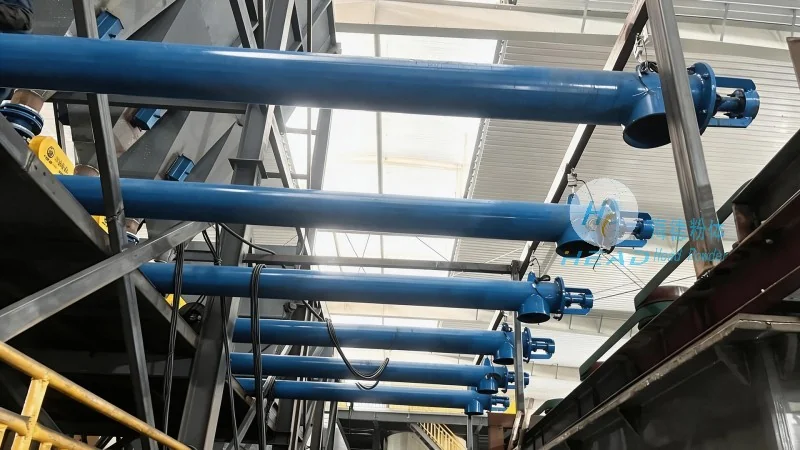
Once the system is operational, regular monitoring and maintenance are essential to maintain performance and prevent downtime. Key operational considerations include monitoring air pressure and flow rates, checking for material buildup in the lines, and inspecting the dust collection system. Regular cleaning and maintenance of the equipment, such as the air compressor and material feeder, are necessary to prevent wear and tear. The system should also be equipped with safety features, such as pressure relief valves and emergency shut-off mechanisms, to protect personnel and equipment. Shandong HeadPowder Engineering Co., Ltd. offers maintenance and support services, including routine inspections, component replacement, and troubleshooting. The company's team of experts can help clients identify potential issues before they become major problems, ensuring that the system operates at peak efficiency. Additionally, the company provides training to clients on how to operate and maintain the system, empowering them to keep the system running smoothly and effectively.

 Shandong Headpowder Engineering Co., Ltd.
 156-6277-7102(Quản lý Trương)
  0531-83386006
  Thành phố Tế Nam, Tỉnh Sơn Đông, Trung Quốc
Điện thoại
WeChatTư vấn
Lên đầu