Chuyên sâu trong lĩnh vực vật liệu rời công nghiệp, cung cấp giải pháp môi trường thông minh tích hợp cho phối trộn tự động, cấp liệu tập trung, khử lưu huỳnh và khử nitơ khô!
Metallurgical coke powder pneumatic conveying systems are critical for efficient material handling in industrial applications. A well-designed system ensures safe, reliable, and cost-effective transportation of coke powder, which is essential for various processes in the metallurgical industry. This article outlines key considerations and steps for designing a reasonable metallurgical coke powder pneumatic conveying system plan, focusing on the expertise of Shandong HeadPowder Engineering Co., Ltd., a leading provider in the field.

Understanding the Core Requirements of Metallurgical Coke Powder Conveying
Before diving into system design, it is crucial to understand the specific requirements of metallurgical coke powder. This includes the particle size distribution, moisture content, bulk density, and flow characteristics of the material. These properties directly impact the selection of conveying equipment, such as the type of pneumatic conveyor (e.g., dilute-phase or dense-phase), the air velocity, and the system pressure. For instance, fine coke powders may require higher air velocities to prevent clogging, while larger particles might benefit from dense-phase conveying to reduce energy consumption. Additionally, the system must consider the environmental and safety regulations, particularly regarding dust control and explosion prevention, as coke powder is a combustible material.
Key Design Factors for a Reliable Pneumatic Conveying System
Several key factors must be addressed during the design phase to ensure the long-term performance and efficiency of the metallurgical coke powder pneumatic conveying system. First, the system layout and integration with existing infrastructure are critical. This involves determining the optimal placement of the hopper, conveyor, and discharge point to minimize material handling distances and reduce energy losses. The choice of materials for components such as hoppers, pipelines, and valves is also essential, as they must withstand the abrasive nature of coke powder and resist corrosion from moisture or chemicals. For example, stainless steel or high-grade alloys are often used for pipelines and fittings to prevent wear and maintain material purity. Furthermore, the system must incorporate proper dust collection and filtration to comply with environmental standards and protect equipment from damage. This may include cyclone separators, bag filters, or electrostatic precipitators, depending on the scale and requirements of the operation.

Selection of Conveying Equipment and Components
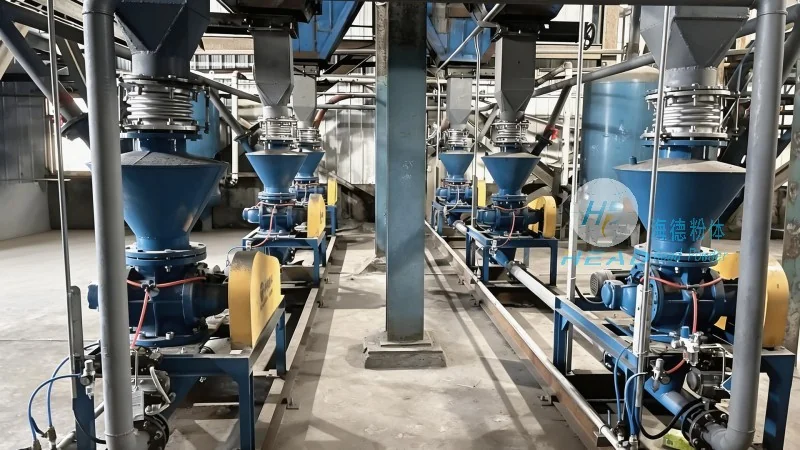
The selection of pneumatic conveying equipment is a critical step in designing an effective system. Dilute-phase conveying systems, which use high air velocities to suspend particles in a gas stream, are suitable for short-distance and low-volume applications. They are typically used for fine powders and require less energy compared to dense-phase systems. Dense-phase conveying, on the other hand, uses lower air velocities and higher system pressures to transport material in a slurry-like state, making it ideal for longer distances and larger particle sizes. The choice between these systems depends on factors such as the material properties, distance to be covered, and desired flow rate. In addition to the main conveyor, other components like feeders, rotary valves, and check valves are essential for controlling the flow of coke powder and preventing backflow. The feeders, such as rotary or vibratory types, ensure a consistent and controlled material feed into the system, while check valves prevent the reverse flow of material and air. The rotary valves, often used at the discharge end, regulate the flow rate and prevent material buildup in the pipeline.
System Sizing and Performance Calculations
Accurate system sizing is essential to ensure the pneumatic conveying system operates efficiently and meets the required flow rates. This involves calculating the necessary air volume and pressure based on the material properties and system layout. The air velocity must be sufficient to suspend the coke powder particles but not so high as to cause excessive energy consumption or wear on the equipment. The system pressure is determined by the total pressure drop across the pipeline, which includes losses due to fittings, bends, and the conveying distance. Engineers use specialized software or formulas to calculate these parameters, taking into account the particle size, density, and flow rate. For example, the pressure drop per unit length of pipeline can be estimated using the Darcy-Weisbach equation, adjusted for the characteristics of the powder. Additionally, the system must be designed to handle variations in material feed rate and particle size, ensuring stable operation under different conditions. This may involve incorporating variable speed drives or pressure regulators to maintain consistent performance.
Installation, Commissioning, and Maintenance Considerations
Proper installation and commissioning are crucial for the successful operation of the metallurgical coke powder pneumatic conveying system. The installation process involves ensuring all components are correctly aligned and connected, with proper sealing to prevent air leaks and material loss. Commissioning involves testing the system under various conditions to verify its performance and identify any issues. This includes checking the flow rate, pressure, and air velocity, as well as monitoring for any signs of clogging or wear. Regular maintenance is essential to ensure the system operates efficiently and has a long service life. This includes cleaning the filters, inspecting the pipelines for wear or corrosion, and replacing worn components such as seals and bearings. The maintenance schedule should be based on the system's operating hours and the material's characteristics, with more frequent maintenance for abrasive materials like coke powder. Additionally, training operators on the proper use and maintenance of the system is important to prevent accidents and ensure optimal performance.
Case Study: Successful Implementation by Shandong HeadPowder Engineering Co., Ltd.

Shandong HeadPowder Engineering Co., Ltd., a leading provider of metallurgical coke powder pneumatic conveying systems, has successfully implemented numerous projects for clients in the metallurgical industry. One such project involved designing a system for a steel plant in Shandong, China, to transport fine coke powder from storage silos to the blast furnace. The system was designed to handle a flow rate of 50 tons per hour, with a conveying distance of 200 meters. The engineers at HeadPowder selected a dense-phase pneumatic conveying system due to the long distance and large particle size of the material. The system included stainless steel pipelines, rotary valves, and a cyclone separator for dust collection. After installation and commissioning, the system operated efficiently, with minimal downtime and low energy consumption. The client reported significant improvements in material handling efficiency and reduced maintenance costs compared to their previous system. This case study highlights the expertise and capabilities of Shandong HeadPowder Engineering Co., Ltd. in designing and implementing reliable metallurgical coke powder pneumatic conveying systems.
Conclusion and Future Trends
In conclusion, designing a reasonable metallurgical coke powder pneumatic conveying system requires a comprehensive understanding of the material properties, system requirements, and engineering principles. By considering factors such as material characteristics, system layout, equipment selection, and maintenance, engineers can develop a system that is efficient, reliable, and cost-effective. Shandong HeadPowder Engineering Co., Ltd. offers expert solutions for metallurgical coke powder pneumatic conveying systems, leveraging years of experience and advanced technology to meet the needs of industrial clients. As the industry continues to evolve, the demand for efficient and sustainable material handling solutions will increase, and companies like HeadPowder will play a crucial role in providing innovative solutions to meet these challenges.

 Shandong Headpowder Engineering Co., Ltd.
 156-6277-7102(Quản lý Trương)
  0531-83386006
  Thành phố Tế Nam, Tỉnh Sơn Đông, Trung Quốc
Điện thoại
WeChatTư vấn
Lên đầu