Chuyên sâu trong lĩnh vực vật liệu rời công nghiệp, cung cấp giải pháp môi trường thông minh tích hợp cho phối trộn tự động, cấp liệu tập trung, khử lưu huỳnh và khử nitơ khô!
Ferrous sulfate, a vital chemical used in water treatment, industrial processes, and various manufacturing applications, often requires efficient and reliable transportation methods. Pneumatic conveying systems offer a solution that minimizes material degradation, reduces labor costs, and enhances operational safety. However, designing a system that effectively handles ferrous sulfate demands careful consideration of several critical factors to ensure optimal performance and longevity. This article explores the key elements involved in creating a well-designed ferrous sulfate pneumatic conveying system, with insights from Shandong HeadPowder Engineering Co., Ltd., a leading provider in the field.
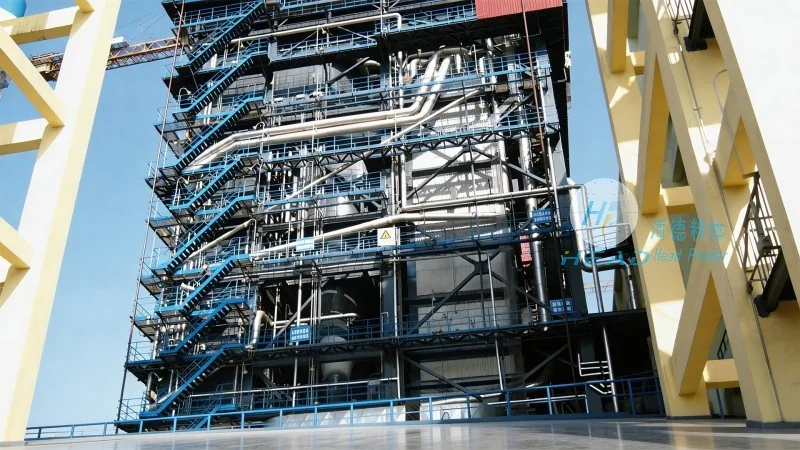
Key Design Considerations for Ferrous Sulfate Pneumatic Conveying
The success of a pneumatic conveying system for ferrous sulfate hinges on a thorough understanding of the material's properties and the system's operational requirements. Ferrous sulfate, typically in powder or granular form, has specific characteristics that influence system design, such as particle size distribution, moisture content, and flowability. These factors directly impact the choice of conveying air velocity, pressure, and equipment selection. A well-engineered system must balance these variables to prevent issues like blockages, material degradation, or excessive energy consumption. For instance, ferrous sulfate particles may vary in size, and a system must be designed to accommodate this variability to maintain consistent flow rates.
System Layout and Components
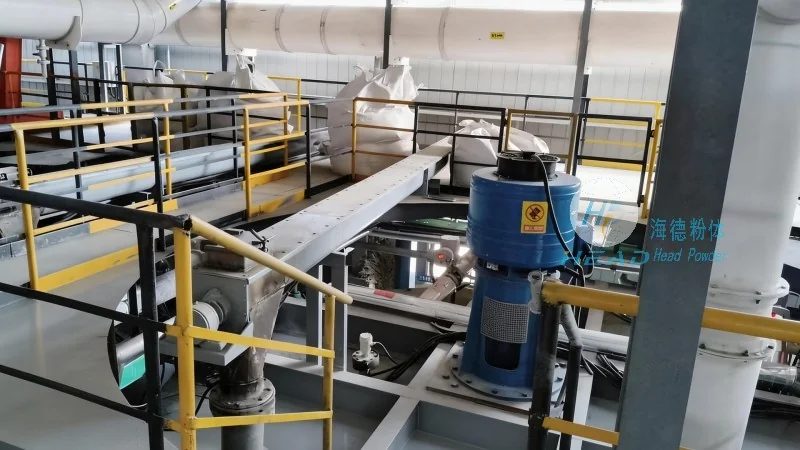
Designing the layout of a ferrous sulfate pneumatic conveying system involves strategic placement of key components to ensure smooth material flow. The system typically includes a hopper for material storage, a feeder to control the discharge rate, a conveying line (often with bends and transitions), and a receiver for the delivered material. The choice of components, such as rotary valves, rotary lobe pumps, or positive displacement blowers, depends on the specific application and the material's characteristics. For ferrous sulfate, which can be abrasive, selecting durable materials like stainless steel for the conveying line and components is crucial to prevent wear and maintain system efficiency. Additionally, the system layout should minimize the number of bends and transitions to reduce pressure losses and ensure efficient material transport.
Air Source and Pressure Selection

The air source is a critical component in pneumatic conveying systems, as it provides the necessary force to move the material through the pipeline. For ferrous sulfate, which is relatively dense and may require higher air velocities to achieve efficient transport, the air source must be capable of delivering sufficient pressure and volume. Positive displacement blowers are commonly used in such applications due to their ability to maintain consistent pressure even at varying flow rates. The pressure level selected should be optimized to balance material transport efficiency with energy consumption, avoiding excessive pressure that could lead to system wear or increased operational costs. Shandong HeadPowder Engineering Co., Ltd. recommends selecting air sources based on the specific flow rate and pressure requirements of the ferrous sulfate application.
Pipeline Design and Sizing
Pipeline design is another critical aspect of system design, as it directly affects the system's performance and cost. The diameter of the conveying line is determined by the material's flow rate, air velocity, and particle size. For ferrous sulfate, which may have a wide particle size distribution, a larger pipeline diameter is often recommended to prevent blockages and ensure smooth flow. The pipeline should also be designed with appropriate bends and transitions to minimize pressure losses and maintain consistent air velocity. Additionally, the use of smooth, corrosion-resistant materials, such as stainless steel or PTFE-coated pipes, is essential to prevent material buildup and ensure long-term system reliability. Properly sized pipelines reduce energy consumption and extend the lifespan of the system.

 Shandong Headpowder Engineering Co., Ltd.
 156-6277-7102(Quản lý Trương)
  0531-83386006
  Thành phố Tế Nam, Tỉnh Sơn Đông, Trung Quốc
Điện thoại
WeChatTư vấn
Lên đầu