Chuyên sâu trong lĩnh vực vật liệu rời công nghiệp, cung cấp giải pháp môi trường thông minh tích hợp cho phối trộn tự động, cấp liệu tập trung, khử lưu huỳnh và khử nitơ khô!
When it comes to handling and transporting wheat bran efficiently, a well-designed pneumatic conveying system is crucial. This guide from Shandong HeadPowder Engineering Co., Ltd. outlines key considerations and steps to ensure an effective and reliable system for your operations.
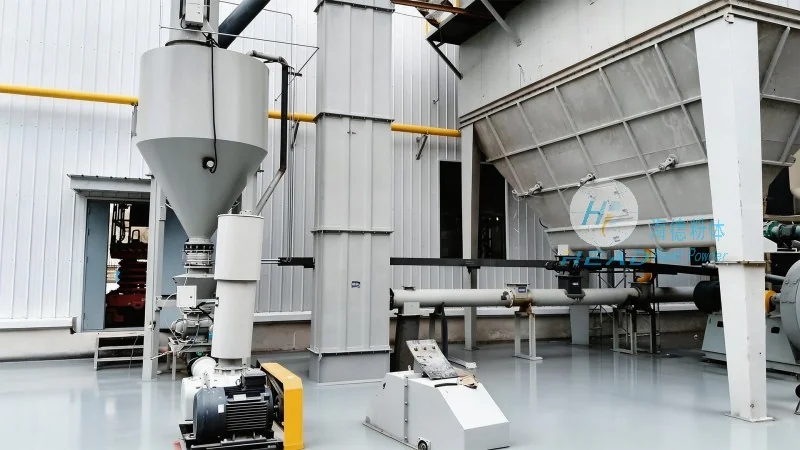
Understanding the Core Requirements for Wheat Bran Pneumatic Conveying
Before diving into system design, it's essential to understand the specific characteristics of wheat bran and the operational demands of your facility. Wheat bran is a fine, lightweight material that can pose unique challenges during transport, such as clogging, uneven flow, and dust generation. These factors must be addressed in the design phase to prevent operational issues and ensure system longevity.
Key Factors to Consider in System Design
Several critical factors influence the success of a wheat bran pneumatic conveying system. The first is the material's physical properties, including particle size, moisture content, and bulk density. These characteristics affect the air velocity and pressure required for effective transport. Additionally, the system's capacity—determined by the production volume and required throughput—must be accurately calculated to avoid under or over-sizing the equipment.

Another important consideration is the system layout and the distance the material needs to travel. Horizontal, vertical, or a combination of both will impact the choice of conveying type (e.g., dilute-phase or dense-phase) and the necessary components like blowers, filters, and separation equipment. The location of the system within the facility, including the source and destination points, also plays a role in determining the optimal design.
Choosing the Right Conveying Technology
For wheat bran, both dilute-phase and dense-phase pneumatic conveying systems are viable options, each with its own advantages and limitations. Dilute-phase systems use high air velocities to suspend particles in the air stream, making them suitable for short to medium distances and handling fine materials. Dense-phase systems, on the other hand, use lower air velocities and higher pressure to move material in a slurry-like state, which is ideal for longer distances and preventing material degradation or degradation.
When selecting a system, it's important to evaluate factors such as material handling capacity, distance, and the need for gentle handling. For wheat bran, where maintaining material integrity is often critical, dense-phase systems may be preferred to minimize attrition and preserve the bran's quality. However, dilute-phase systems can be more cost-effective for shorter distances and lower material volumes.

Essential Components of a Wheat Bran Pneumatic Conveying System
A comprehensive pneumatic conveying system for wheat bran typically includes several key components. The primary driver is the blower or air compressor, which provides the necessary air pressure and volume. The system may also incorporate a hopper or feeder to control the material flow and prevent clogging, especially important for fine materials like wheat bran.
For efficient transport, a pipeline system is used to connect the source and destination points. The choice of pipe material—such as stainless steel or plastic—depends on factors like material compatibility, durability, and cost. Filters and separation equipment are also critical to remove any entrained dust or particles from the air stream, ensuring compliance with environmental regulations and maintaining system performance.
Designing for Efficiency and Reliability
Efficiency and reliability are paramount when designing a wheat bran pneumatic conveying system. Proper sizing of the blower and pipeline ensures optimal air flow without excessive energy consumption. Regular maintenance, including cleaning filters and checking for wear and tear on components, is essential to prevent system downtime and maintain performance.
Additionally, incorporating safety features such as pressure relief valves and emergency shut-off mechanisms can enhance the system's reliability and protect personnel and equipment. A well-designed system should also allow for easy monitoring and control, enabling operators to adjust parameters as needed to maintain consistent performance.

Conclusion: Partnering with Experts for Optimal System Design
Designing a reasonable wheat bran pneumatic conveying system requires a thorough understanding of material properties, operational requirements, and available technologies. By considering factors such as material characteristics, system capacity, and layout, and selecting the appropriate components and technology, you can ensure an efficient, reliable, and cost-effective system for your wheat bran handling needs.
Shandong HeadPowder Engineering Co., Ltd. specializes in providing tailored solutions for pneumatic conveying systems, leveraging years of experience and expertise to meet the unique demands of wheat bran processing. With a focus on efficiency, reliability, and customer satisfaction, our team works closely with clients to design and implement systems that optimize their operations and support long-term success.

 Shandong Headpowder Engineering Co., Ltd.
 156-6277-7102(Quản lý Trương)
  0531-83386006
  Thành phố Tế Nam, Tỉnh Sơn Đông, Trung Quốc
Điện thoại
WeChatTư vấn
Lên đầu