Chuyên sâu trong lĩnh vực vật liệu rời công nghiệp, cung cấp giải pháp môi trường thông minh tích hợp cho phối trộn tự động, cấp liệu tập trung, khử lưu huỳnh và khử nitơ khô!
When it comes to managing the efficient and safe transport of seasonings in industrial settings, a well-designed pneumatic conveying system is crucial. This article will guide you through the key considerations and steps to create an optimal plan for such a system, with a focus on the expertise of Shandong HeadPowder Engineering Co., Ltd. (hereinafter referred to as HeadPowder).

Understanding the Core Principles of Seasoning Pneumatic Conveying
Before diving into the design process, it's essential to grasp the fundamental principles of pneumatic conveying. This technology uses air to move bulk materials like seasonings from one point to another within a processing facility. The system typically consists of a hopper, a conveyor line, and a receiver, with air being supplied by a blower or compressor. The choice of conveying method—such as dilute phase or dense phase—depends on factors like material properties, distance, and required flow rate. For seasonings, which often have varying particle sizes and moisture content, selecting the right system is vital to prevent product degradation and ensure consistent quality.
Key Factors to Consider in System Design
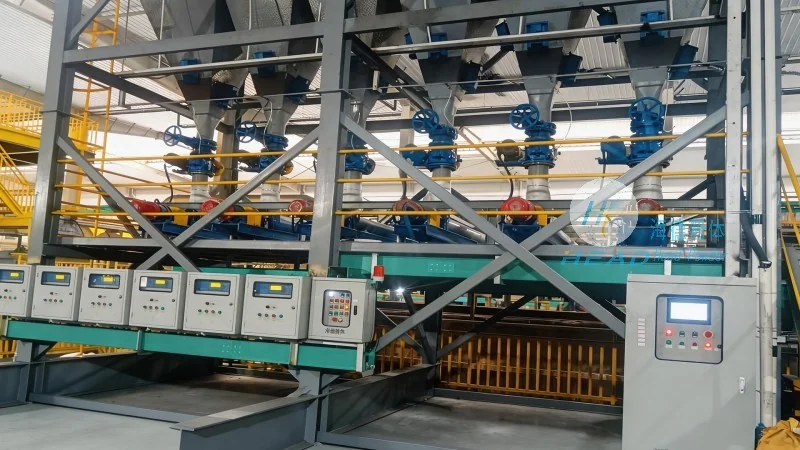
Designing a pneumatic conveying system for seasonings requires careful evaluation of several critical factors. First, the material characteristics of the seasonings must be analyzed. This includes particle size distribution, bulk density, and flowability. Seasonings can range from fine powders like spices to coarser granules, and each type demands a tailored approach. For example, fine powders may require a higher air velocity to avoid clogging, while coarser materials might benefit from a lower velocity to reduce wear on equipment. Second, the system's capacity and flow rate are determined by the production needs. If the facility processes large volumes of seasonings, a high-capacity system with multiple conveyors or a larger blower might be necessary. Third, the distance and layout of the facility play a role. The system must be designed to accommodate the physical space available, ensuring that the conveying line is as direct as possible to minimize energy consumption and product degradation. Finally, safety and maintenance considerations are paramount. Proper sealing and filtration systems are needed to prevent dust emissions and ensure compliance with environmental regulations. Regular maintenance, such as cleaning filters and checking for wear on components, is essential to keep the system running smoothly and extend its lifespan.
Step-by-Step Design Process for a Seasoning Pneumatic Conveying System
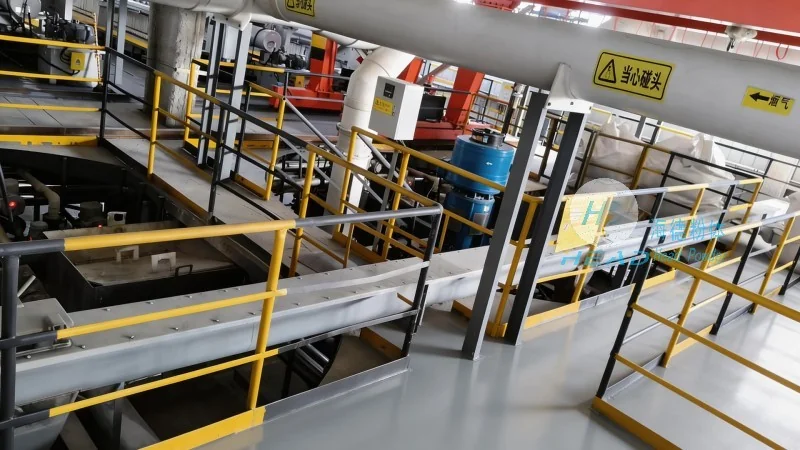
Designing a pneumatic conveying system involves a systematic approach to ensure all aspects are addressed. The first step is to gather all relevant data about the seasonings and the facility. This includes material specifications, production rates, and the layout of the processing area. Next, the system type is selected based on the analysis of material properties and operational requirements. For instance, if the seasonings are fine and need to be transported over a short distance, a dilute phase system with a positive displacement blower might be suitable. If the distance is longer or the material is more abrasive, a dense phase system with a rotary valve and a larger compressor could be more appropriate. The next step is to calculate the air flow rate and pressure required. This involves determining the necessary air velocity to move the material and the pressure needed to overcome friction and elevation changes. The system components, including the hopper, conveyor line, and receiver, are then sized and selected based on these calculations. For example, the hopper must be large enough to hold the required amount of seasonings without causing bridging or clogging, and the conveyor line must be made of materials that are resistant to corrosion and wear from the seasonings. Finally, the system is tested and optimized. This involves running the system with actual seasonings and adjusting parameters like air flow or pressure as needed to achieve the desired performance. The testing phase also helps identify any potential issues, such as clogging or uneven flow, which can then be addressed before the system is put into full operation.
HeadPowder's Expertise in Seasoning Pneumatic Conveying Systems
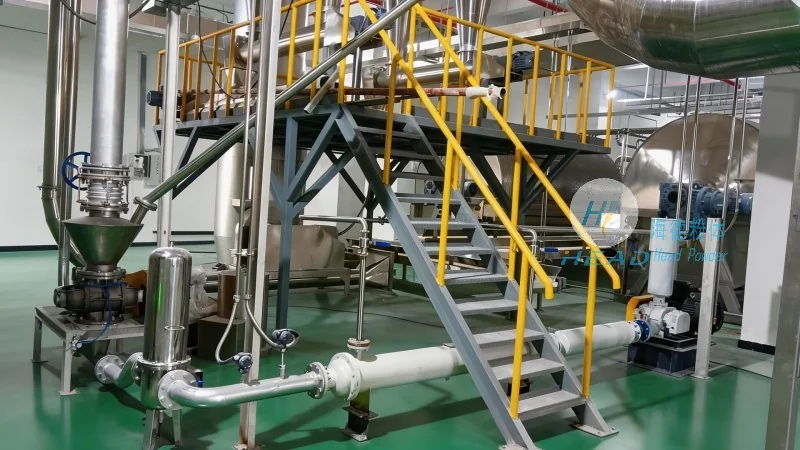
Shandong HeadPowder Engineering Co., Ltd. is a leading provider of pneumatic conveying solutions tailored for the seasoning industry. With years of experience and a deep understanding of material handling challenges, HeadPowder offers customized designs that meet the unique needs of each client. The company's team of engineers works closely with clients to analyze their specific requirements, from material properties to production volumes, and develops a comprehensive plan that addresses all aspects of the system. HeadPowder utilizes advanced design software and industry best practices to ensure that each system is efficient, reliable, and cost-effective. The company's products include a range of components, such as hoppers, conveyors, and receivers, all designed to handle seasonings safely and effectively. HeadPowder also provides installation and maintenance services to ensure that the system operates at peak performance throughout its lifecycle. By partnering with HeadPowder, clients can benefit from the company's expertise and experience, ensuring that their seasoning pneumatic conveying system is designed and implemented to meet their specific needs and deliver optimal results.

 Shandong Headpowder Engineering Co., Ltd.
 156-6277-7102(Quản lý Trương)
  0531-83386006
  Thành phố Tế Nam, Tỉnh Sơn Đông, Trung Quốc
Điện thoại
WeChatTư vấn
Lên đầu