Chuyên sâu trong lĩnh vực vật liệu rời công nghiệp, cung cấp giải pháp môi trường thông minh tích hợp cho phối trộn tự động, cấp liệu tập trung, khử lưu huỳnh và khử nitơ khô!
When it comes to handling polypropylene resin powder, selecting the right conveying method is crucial for efficiency, safety, and product integrity. Polypropylene resin powder, with its fine particle size and lightweight nature, presents unique challenges in material handling. Traditional methods may struggle with dust generation, material degradation, or limited conveying distances. This article explores common polypropylene resin powder conveying methods, with a focus on the advantages of pneumatic conveying systems.

Overview of Polypropylene Resin Powder Conveying Challenges
Polypropylene resin powder is widely used in various industries, including plastics manufacturing, chemical processing, and food production. Its properties, such as low density and high flowability, make it ideal for many applications but also demanding for transport. Common challenges in polypropylene resin powder handling include dust control, material segregation, and the need for hygienic or controlled environments. These factors necessitate specialized conveying solutions that ensure minimal product loss and consistent quality throughout the process.
Common Conveying Methods for Polypropylene Resin Powder
Several methods are employed to transport polypropylene resin powder, each with its own set of advantages and limitations. The most common approaches include:

Gravity Conveying: This method relies on the natural flow of material from a higher to a lower elevation. It is simple and cost-effective for short distances and gentle slopes. However, it is limited by the need for suitable topography and may not be suitable for vertical or long horizontal runs.
Mechanical Conveying: Systems like screw conveyors, belt conveyors, and bucket elevators use mechanical components to move the powder. These are reliable for moderate distances and can handle larger volumes. Yet, they may generate significant dust and require regular maintenance to prevent wear and tear.
Pneumatic Conveying: This method uses air or gas to transport the powder through a pipeline. It offers flexibility in layout and can handle both short and long distances efficiently. Pneumatic systems are particularly effective for polypropylene resin powder due to their ability to control dust and maintain product purity.
Pneumatic Conveying: The Preferred Solution for Polypropylene Resin Powder
Among the various conveying methods, pneumatic conveying stands out as the most effective for polypropylene resin powder. Pneumatic systems use compressed air to move the powder through a sealed pipeline, ensuring minimal exposure to the environment and reducing the risk of contamination. There are two main types of pneumatic conveying:
Positive Displacement Pneumatic Conveying: This system uses a pump to create a vacuum or pressure, moving the powder in a controlled manner. It is ideal for long-distance or high-rise applications and can handle both dilute and dense phase flows.
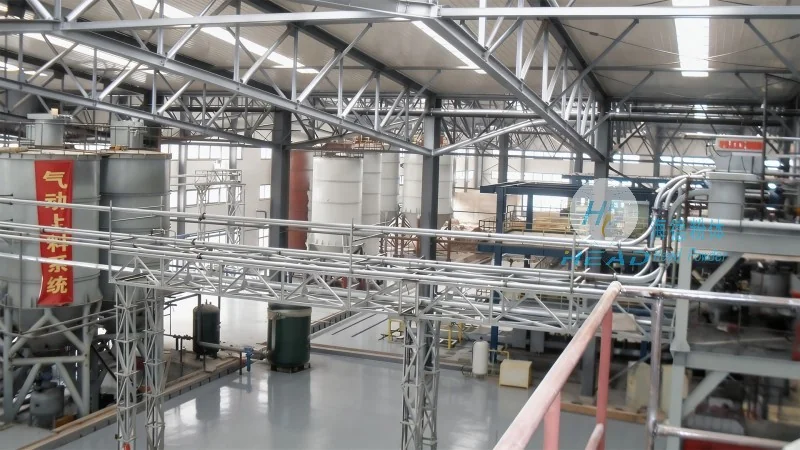
Pressure Conveying: In this method, the powder is transported under pressure, typically using a blower or compressor. It is suitable for short to medium distances and offers high conveying rates with minimal pressure loss.
Key advantages of pneumatic conveying for polypropylene resin powder include:
Efficient dust control and containment, reducing health hazards and environmental impact.
Ability to handle fine powders without segregation or degradation.
Flexibility in system design, allowing integration with existing processing lines.
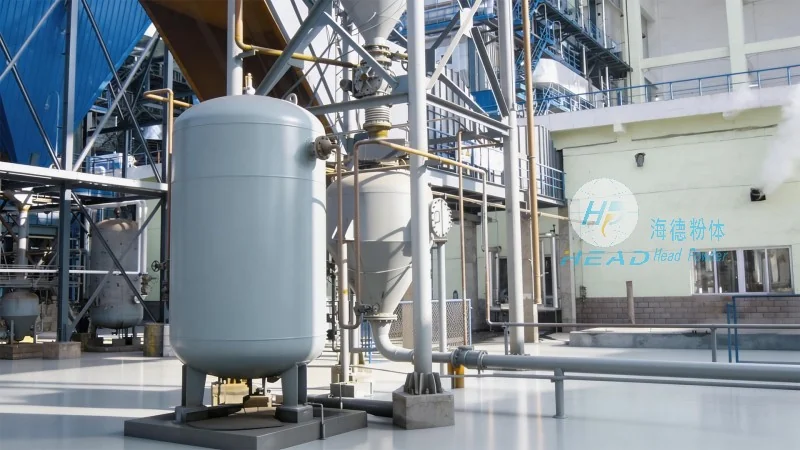
Reduced maintenance compared to mechanical systems, as there are fewer moving parts in the pipeline.
HeadPowder: Expert in Polypropylene Resin Powder Pneumatic Conveying
Shandong HeadPowder Engineering Co., Ltd., commonly known as HeadPowder, is a leading provider of specialized conveying solutions for polypropylene resin powder. With a strong presence in China, particularly in Shandong, the company has developed advanced pneumatic conveying systems tailored to the unique needs of polypropylene resin powder applications.
HeadPowder’s expertise lies in designing and manufacturing custom pneumatic conveying systems that optimize material flow, minimize downtime, and ensure compliance with industry standards. The company’s solutions are engineered to handle the challenges of polypropylene resin powder, including its fine particle size and potential for dust generation. By leveraging years of experience in the field, HeadPowder delivers reliable, efficient, and cost-effective conveying solutions that enhance productivity and product quality.

 Shandong Headpowder Engineering Co., Ltd.
 156-6277-7102(Quản lý Trương)
  0531-83386006
  Thành phố Tế Nam, Tỉnh Sơn Đông, Trung Quốc
Điện thoại
WeChatTư vấn
Lên đầu