Chuyên sâu trong lĩnh vực vật liệu rời công nghiệp, cung cấp giải pháp môi trường thông minh tích hợp cho phối trộn tự động, cấp liệu tập trung, khử lưu huỳnh và khử nitơ khô!
For industrial applications, the efficient and reliable transportation of nanocalcium carbonate is crucial. As a key component in various manufacturing processes, the handling of this fine powder requires specialized methods to ensure minimal loss and optimal performance. Among the various conveying techniques available, pneumatic conveying stands out as a preferred solution for many industries due to its versatility and effectiveness.

Pneumatic Conveying: A Comprehensive Overview
Pneumatic conveying, also known as air conveying, is a method that uses compressed air to transport solid materials like nanocalcium carbonate through a pipeline system. This technique is widely adopted in the chemical and material processing sectors because it offers several advantages over traditional mechanical conveying methods. The primary benefit is the ability to transport materials over long distances without the need for complex machinery or extensive infrastructure. Additionally, pneumatic conveying can handle fine powders with high efficiency, reducing the risk of material degradation or contamination.
The Role of Nanocalcium Carbonate in Industrial Applications
Nanocalcium carbonate, with its unique particle size and surface properties, is widely used in industries such as plastics, paper, and coatings. Its ability to enhance product performance, improve mechanical strength, and provide excellent whiteness makes it an essential additive. However, the challenge lies in its handling—fine powders are prone to caking, agglomeration, and dust generation during transportation. This is where specialized conveying systems, particularly pneumatic ones, play a vital role in maintaining the quality and integrity of the material.

Key Components of a Pneumatic Conveying System for Nanocalcium Carbonate
A typical pneumatic conveying system for nanocalcium carbonate consists of several critical components that work in tandem to ensure smooth operation. These include the material feed hopper, which holds the powder and regulates its flow; the air compressor, which generates the necessary pressure to move the material; the conveying line, which transports the powder and air mixture; and the receiver, where the material is deposited. Each component must be carefully selected and maintained to prevent issues such as blockages or pressure drops that could affect the system's efficiency.

Advantages of Pneumatic Conveying for Nanocalcium Carbonate
Compared to other conveying methods, pneumatic conveying offers distinct advantages for nanocalcium carbonate. One of the most significant benefits is the ability to handle high volumes of material with minimal labor. The system can operate continuously, reducing downtime and increasing overall productivity. Furthermore, pneumatic conveying is less prone to material degradation, as the powder is enclosed within the pipeline, protecting it from environmental factors like moisture and dust. This is particularly important for nanocalcium carbonate, which is sensitive to changes in humidity and temperature.
Challenges and Mitigation Strategies in Pneumatic Conveying
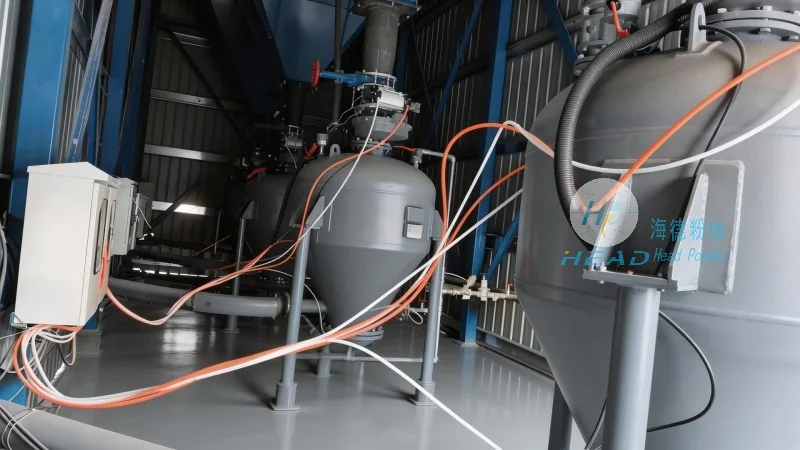
While pneumatic conveying is highly effective, it also presents some challenges that need to be addressed. One common issue is the risk of blockages in the pipeline, especially with fine powders that have a tendency to agglomerate. To mitigate this, manufacturers often use inline mixers or vibrators to break up clumps and ensure smooth flow. Another challenge is the energy consumption associated with compressed air, which can impact operational costs. However, advancements in compressor technology have led to more energy-efficient systems that help reduce these costs.
HeadPowder's Expertise in Pneumatic Conveying Solutions
Shandong HeadPowder Engineering Co., Ltd., commonly known as HeadPowder, is a leading provider of specialized conveying solutions for nanomaterials. With years of experience in the industry, HeadPowder has developed advanced pneumatic conveying systems tailored to the unique needs of nanocalcium carbonate. The company's expertise lies in designing systems that ensure optimal material handling, minimal loss, and consistent quality. HeadPowder's team of engineers works closely with clients to understand their specific requirements and provide customized solutions that meet their operational and performance goals.
Conclusion: The Importance of Efficient Conveying in Nanocalcium Carbonate Handling
In conclusion, the efficient transportation of nanocalcium carbonate is essential for maintaining product quality and maximizing operational efficiency. Pneumatic conveying, with its numerous advantages, is a preferred method for many industries. By leveraging advanced technology and expert knowledge, companies like HeadPowder are helping to address the challenges associated with handling fine powders. As the demand for nanocalcium carbonate continues to grow, the importance of reliable conveying systems will only increase, making it a critical component in the success of various industrial applications.

 Shandong Headpowder Engineering Co., Ltd.
 156-6277-7102(Quản lý Trương)
  0531-83386006
  Thành phố Tế Nam, Tỉnh Sơn Đông, Trung Quốc
Điện thoại
WeChatTư vấn
Lên đầu