Chuyên sâu trong lĩnh vực vật liệu rời công nghiệp, cung cấp giải pháp môi trường thông minh tích hợp cho phối trộn tự động, cấp liệu tập trung, khử lưu huỳnh và khử nitơ khô!
Silica powder, a widely used industrial material, is essential in various applications such as construction, electronics, and pharmaceuticals. The efficient and reliable transportation of silica powder from production sites to processing facilities is a critical aspect of industrial operations. Traditional conveying methods, including screw conveyors and belt conveyors, often face challenges like material buildup, contamination, and limited flexibility. This article explores common silica powder conveying methods, with a focus on the advantages and applications of pneumatic conveying systems, as offered by Shandong HeadPowder Engineering Co., Ltd., a leading provider in the field.
Introduction to Silica Powder Conveying

Silica powder, also known as silicon dioxide powder, is a fine particulate material with a wide range of industrial uses. Its properties, including high purity and consistent particle size, make it indispensable in sectors like glass manufacturing, refractory materials, and cosmetics. However, the handling of this fine powder requires specialized equipment to prevent dust dispersion, caking, and loss of material. Conveying systems must be designed to maintain the integrity of the powder while ensuring safe and efficient transport. HeadPowder, as a professional engineering company based in Shandong, China, specializes in developing tailored conveying solutions for silica powder and other similar materials.
Traditional Conveying Methods and Their Limitations
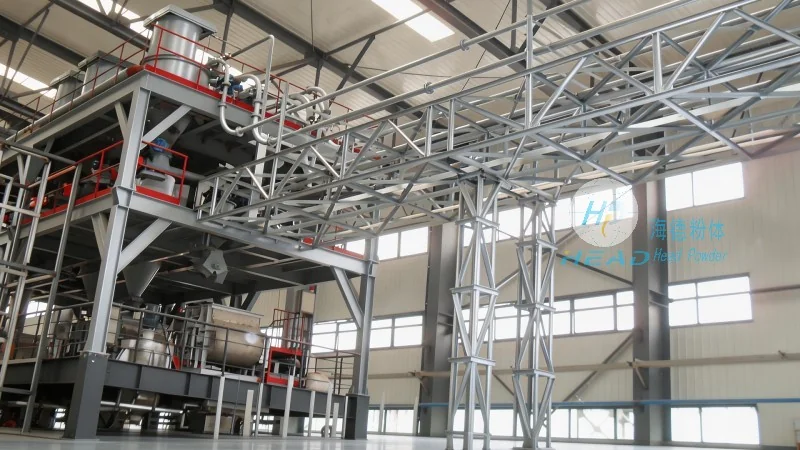
Before the advent of advanced pneumatic systems, many industries relied on mechanical conveyors like screw conveyors and belt conveyors for transporting silica powder. Screw conveyors use rotating screws to move material along a trough, while belt conveyors utilize moving belts to transport bulk materials. These methods are relatively simple and cost-effective for certain applications. However, they have several drawbacks when applied to fine powders like silica. For instance, screw conveyors can cause material to stick to the screw and trough, leading to blockages and reduced efficiency. Belt conveyors, on the other hand, may suffer from dust leakage and require frequent cleaning to prevent material buildup on the belt surface. Additionally, both methods are susceptible to contamination from the environment, which can compromise the quality of the silica powder. These limitations have driven the development of more sophisticated conveying technologies, particularly pneumatic systems.
Pneumatic Conveying: The Preferred Solution for Silica Powder
Pneumatic conveying, also known as air conveying, is a method that uses compressed air to transport bulk materials through a pipeline. This technology offers several advantages over traditional mechanical conveyors, making it the preferred choice for silica powder handling. The primary benefits include: (1) Minimal dust dispersion, as the material is enclosed within the pipeline, reducing environmental contamination and health risks. (2) Reduced material degradation, as the powder is not subjected to mechanical stress or friction. (3) Flexibility in system design, allowing for vertical, horizontal, or mixed-direction transport. (4) Lower maintenance costs compared to mechanical systems, as there are fewer moving parts. HeadPowder has extensive experience in designing and manufacturing pneumatic conveying systems tailored to the specific needs of silica powder applications.
Types of Pneumatic Conveying Systems for Silica Powder
There are two main types of pneumatic conveying systems: dilute-phase and dense-phase. Dilute-phase systems use low air velocities to transport material in a dispersed state, suitable for short-distance or low-volume applications. Dense-phase systems, on the other hand, use higher air velocities and lower flow rates to transport material in a concentrated state, ideal for long-distance or high-volume transport. For silica powder, dense-phase systems are often preferred due to their ability to handle larger quantities of material with less energy consumption. HeadPowder offers both types of systems, allowing customers to choose the most suitable option based on their operational requirements.
Key Components of a Silica Powder Pneumatic Conveying System
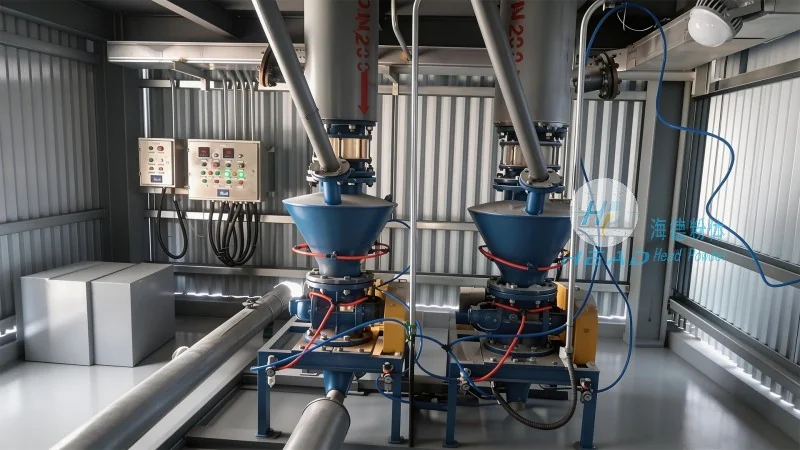
A typical pneumatic conveying system for silica powder consists of several key components, each playing a crucial role in the overall operation. These components include: (1) A material feeder, which controls the flow rate of the silica powder into the system. (2) A compressor, which provides the necessary compressed air to move the material. (3) A pipeline system, which transports the powder and air mixture. (4) A separator, which separates the powder from the air at the end of the pipeline. (5) A dust collector, which captures any residual dust to prevent environmental pollution. HeadPowder designs these components to work in harmony, ensuring optimal performance and minimal downtime. For example, the material feeder is equipped with a rotary valve to regulate the flow of silica powder, preventing clogging and maintaining consistent feed rates. The compressor is selected based on the required air pressure and flow rate, ensuring sufficient power to transport the material over the desired distance. The pipeline system is made of high-quality materials, such as stainless steel or plastic, to prevent corrosion and material buildup. The separator and dust collector are designed to capture even the finest particles of silica powder, ensuring compliance with environmental regulations.

Applications and Case Studies
Silica powder pneumatic conveying systems are used in a variety of industries, including glass manufacturing, refractory production, and chemical processing. In glass manufacturing, for example, silica powder is used as a raw material to produce glass. The pneumatic conveying system transports the powder from storage silos to the glass melting furnace, ensuring a continuous and efficient supply of material. In refractory production, silica powder is used to make refractory bricks and other high-temperature materials. The system transports the powder from the production line to the molding and drying stages, maintaining the quality and consistency of the final product. HeadPowder has successfully implemented pneumatic conveying systems for several clients, improving their operational efficiency and reducing material losses. One case study involves a glass manufacturer in China who implemented a dense-phase pneumatic conveying system from HeadPowder. The system was designed to transport 50 tons of silica powder per hour over a distance of 200 meters. The system has been in operation for over two years, with minimal maintenance and no material blockages. The manufacturer reported a 20% reduction in material losses and a 15% increase in production efficiency compared to their previous mechanical conveyor system.
Conclusion: Choosing the Right Conveying System for Silica Powder
The choice of conveying system for silica powder depends on several factors, including the application, material properties, and operational requirements. Traditional mechanical conveyors may be suitable for small-scale or low-volume applications, but they are limited by their inability to handle fine powders effectively. Pneumatic conveying systems, particularly dense-phase systems, offer superior performance and flexibility for silica powder handling. HeadPowder, with its expertise in engineering and manufacturing, provides customized pneumatic conveying solutions that meet the specific needs of its clients. By selecting the right conveying system, industries can improve their operational efficiency, reduce material losses, and ensure compliance with environmental regulations. As the demand for silica powder continues to grow, the importance of efficient conveying systems will only increase. HeadPowder remains committed to providing innovative and reliable solutions to meet the evolving needs of the industry.

 Shandong Headpowder Engineering Co., Ltd.
 156-6277-7102(Quản lý Trương)
  0531-83386006
  Thành phố Tế Nam, Tỉnh Sơn Đông, Trung Quốc
Điện thoại
WeChatTư vấn
Lên đầu