Chuyên sâu trong lĩnh vực vật liệu rời công nghiệp, cung cấp giải pháp môi trường thông minh tích hợp cho phối trộn tự động, cấp liệu tập trung, khử lưu huỳnh và khử nitơ khô!
Polyester fibers are widely used in various industries due to their durability, strength, and versatility. Efficient and reliable conveying methods are crucial for handling these fibers, especially in manufacturing and processing applications. This article explores common polyester fiber conveying methods, with a focus on pneumatic conveying systems, and highlights the expertise of Shandong HeadPowder Engineering Co., Ltd. (HeadPowder) in providing advanced solutions for fiber handling.
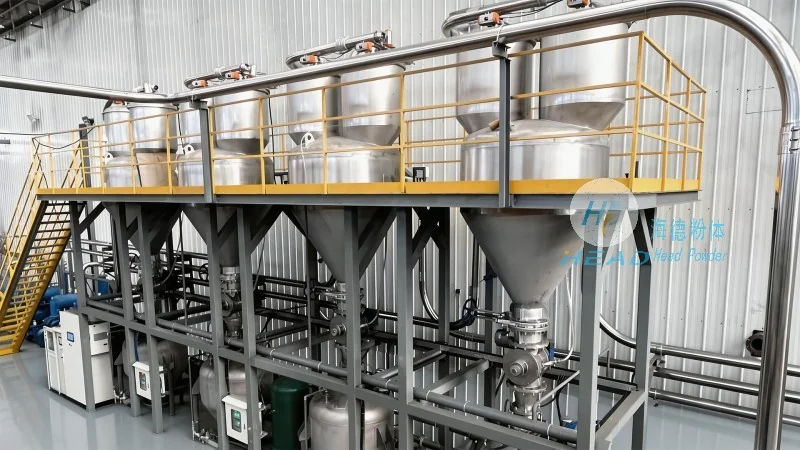
Overview of Polyester Fiber Conveying Methods
Polyester fibers, known for their synthetic nature and high tensile strength, require specialized handling techniques to ensure minimal damage and optimal performance. Conventional methods like belt conveyors or bucket elevators may not be suitable for fine or delicate fibers, as they can cause fraying or breakage. Therefore, many industries opt for more sophisticated systems designed specifically for fiber materials. The primary methods include mechanical conveying, pneumatic conveying, and hybrid systems, each with distinct advantages and applications.
Introduction to Pneumatic Conveying for Polyester Fibers
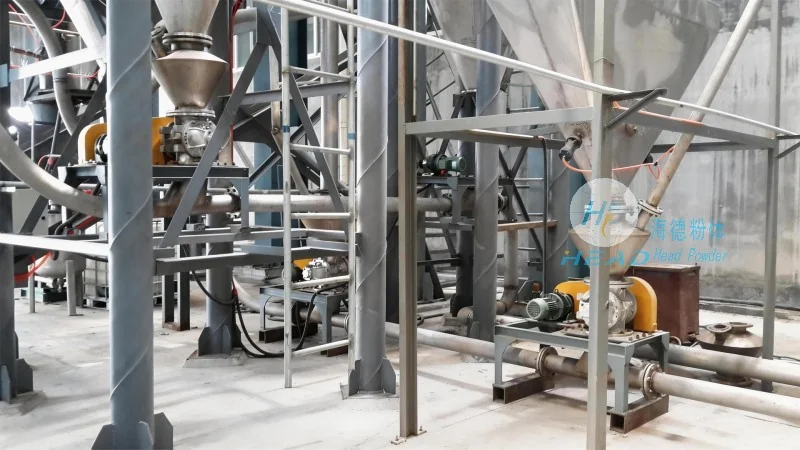
Pneumatic conveying, also known as air conveying, is a method that uses compressed air to transport materials through a pipeline. For polyester fibers, this technique offers several benefits, including gentle handling, low maintenance, and the ability to transport materials over long distances without the need for multiple transfer points. The system typically consists of a hopper, a rotary airlock, a pipeline, and a receiver, all working in tandem to move the fibers efficiently.
Key Features and Advantages of Pneumatic Conveying Systems

One of the most significant advantages of pneumatic conveying for polyester fibers is its ability to handle fine or dusty materials without causing contamination or degradation. The enclosed system prevents exposure to external elements, maintaining the quality of the fibers. Additionally, pneumatic systems are highly flexible, allowing for changes in layout or expansion without major modifications. They also provide better control over the flow rate and pressure, ensuring consistent performance. Another key feature is the reduced risk of material buildup or clogging, as the air flow helps keep the pipeline clean.
Application Scenarios and Industry Use Cases
Pneumatic conveying systems are widely used in the textile, automotive, and construction industries for polyester fiber handling. In textile manufacturing, these systems are used to transport raw fibers from storage to processing machines, ensuring a continuous supply without interruptions. In the automotive sector, polyester fibers are used in composite materials, and pneumatic conveying helps move these materials to molding or assembly lines. The construction industry also benefits from pneumatic systems when handling polyester-based insulation or reinforcement materials. Each application leverages the system's ability to handle delicate fibers while maintaining efficiency and reliability.
Technical Specifications and System Components
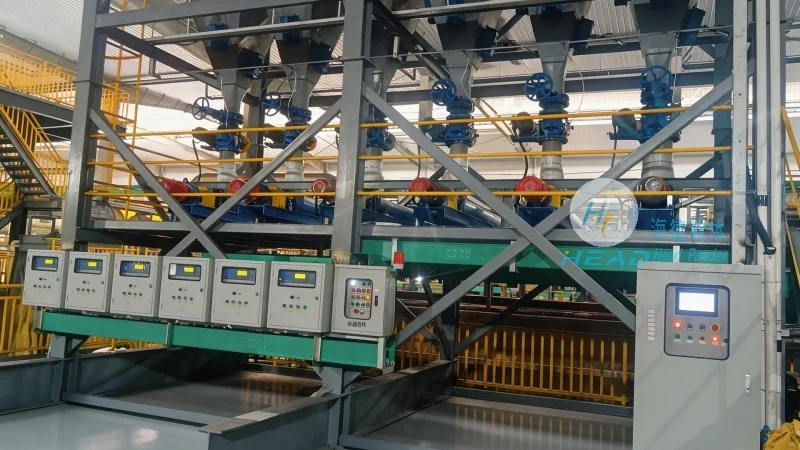
The design of a pneumatic conveying system for polyester fibers depends on several factors, including the fiber type, particle size, and required transport distance. Key components include a hopper with a feeding mechanism, a rotary airlock to control material flow, a compressor to generate the necessary air pressure, and a pipeline network. The pipeline material is typically stainless steel or plastic, chosen for its resistance to corrosion and wear from the fibers. The system may also include filters and cyclones to separate the fibers from the air, ensuring clean air is released and the fibers are collected efficiently.
Company Profile and Expertise (HeadPowder)
Shandong HeadPowder Engineering Co., Ltd., commonly known as HeadPowder, is a leading provider of advanced material handling solutions, including pneumatic conveying systems for polyester fibers. With years of experience in the industry, HeadPowder specializes in designing and manufacturing customized systems tailored to the specific needs of clients. The company's team of engineers and technicians works closely with customers to understand their requirements and develop solutions that enhance efficiency and reduce operational costs. HeadPowder's facilities are located in Shandong, China, where they leverage local expertise and resources to deliver high-quality products and services.

 Shandong Headpowder Engineering Co., Ltd.
 156-6277-7102(Quản lý Trương)
  0531-83386006
  Thành phố Tế Nam, Tỉnh Sơn Đông, Trung Quốc
Điện thoại
WeChatTư vấn
Lên đầu