Chuyên sâu trong lĩnh vực vật liệu rời công nghiệp, cung cấp giải pháp môi trường thông minh tích hợp cho phối trộn tự động, cấp liệu tập trung, khử lưu huỳnh và khử nitơ khô!
For cement manufacturers, the efficient and reliable transportation of raw materials is a critical aspect of production operations. The choice of conveying method directly impacts production efficiency, material quality, and overall operational costs. Among the various options available, pneumatic conveying stands out as a highly effective solution for handling cement raw materials. This article provides an overview of common cement raw material conveying methods, with a focus on the advantages and applications of pneumatic conveying systems.

Understanding Cement Raw Material Conveying
Cement raw materials, such as limestone, clay, and other minerals, are typically transported from storage silos or quarries to the grinding and mixing stages of the cement production process. The primary goal of conveying systems is to move these bulk materials in a controlled manner, minimizing dust generation, ensuring material integrity, and optimizing energy consumption. Different conveying technologies are employed based on factors like material properties, distance, and production scale.
Common Cement Raw Material Conveying Methods
Several methods are widely used in the cement industry for raw material transportation. These include mechanical conveyors like belt conveyors, screw conveyors, and bucket elevators, as well as pneumatic conveying systems. Each method has its own set of advantages and limitations, making the selection process crucial for optimal performance.
1. Mechanical Conveyors: Traditional Solutions
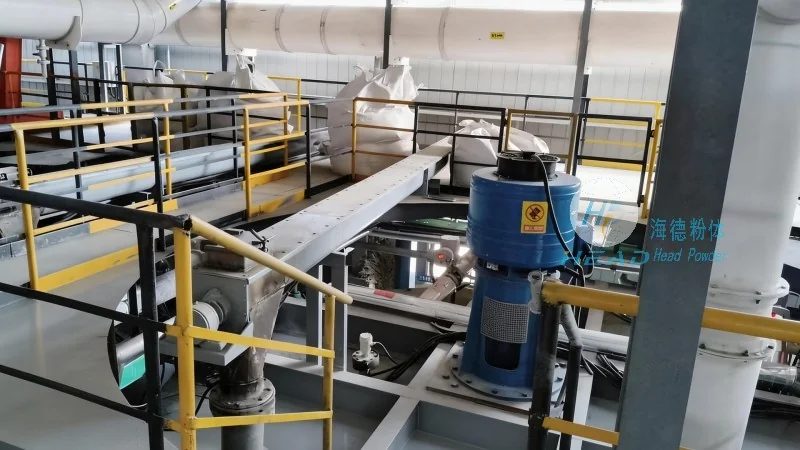
Traditional mechanical conveyors, such as belt conveyors and screw conveyors, have been used for decades in cement plants. Belt conveyors are ideal for long-distance horizontal or slight incline transport, capable of handling large volumes of bulk materials. They are relatively simple in design and maintenance, making them a cost-effective option for many applications. However, mechanical conveyors often generate significant dust and require regular cleaning to prevent material buildup and ensure smooth operation.
2. Bucket Elevators: Vertical Transport
Bucket elevators are commonly used for vertical transport of cement raw materials, especially when the material needs to be lifted to higher levels in the production line. These systems consist of a continuous belt with attached buckets that carry the material upward. Bucket elevators are efficient for vertical movement and can handle a wide range of materials, including powders and granules. They are enclosed to minimize dust emissions, which is a significant advantage over open belt conveyors. However, bucket elevators have limitations in terms of material capacity and may require more maintenance compared to other systems.
3. Pneumatic Conveying: The Advanced Solution
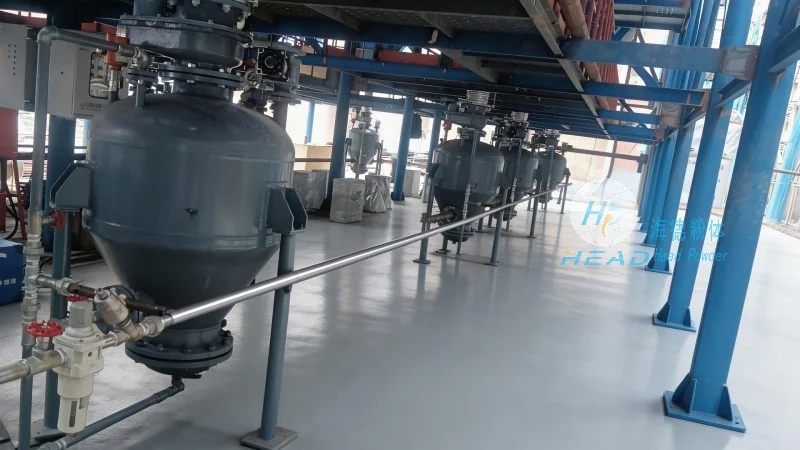
Pneumatic conveying, also known as air conveying, is a modern and increasingly popular method for transporting cement raw materials. This technology uses compressed air to move bulk materials through a pipeline system. There are two main types of pneumatic conveying: pressure and vacuum systems. Pressure systems use compressed air to push the material forward, while vacuum systems use a vacuum to draw the material into the pipeline.
One of the key advantages of pneumatic conveying is its ability to handle fine powders and granular materials without the need for mechanical components that could cause material degradation or blockages. The enclosed pipeline design significantly reduces dust emissions, improving workplace safety and environmental compliance. Additionally, pneumatic conveying systems can be designed for both horizontal and vertical transport, making them versatile for various plant layouts.
Key Features of Pneumatic Conveying Systems
Pneumatic conveying systems for cement raw materials typically include components such as feeders, pipelines, air compressors, and control valves. The feeder is responsible for introducing the material into the pipeline at a controlled rate, ensuring consistent flow. The pipeline network connects the feed point to the destination, such as the raw mill or storage silo. Air compressors provide the necessary pressure or vacuum, while control valves regulate the air flow to maintain optimal conveying conditions.

Modern pneumatic conveying systems often incorporate advanced control technologies, such as variable frequency drives (VFDs) and sensors, to optimize energy consumption and material flow. These systems can be automated to adjust to changes in production demand, ensuring efficient operation under varying conditions. The use of high-quality materials, such as stainless steel or special alloys, in the construction of pipelines and components enhances durability and resistance to corrosion, which is critical for handling abrasive cement raw materials.
Advantages of Pneumatic Conveying for Cement Raw Materials
Compared to traditional mechanical conveyors, pneumatic conveying offers several advantages that make it a preferred choice for many cement manufacturers. First, it provides a dust-free environment, which is essential for maintaining material quality and ensuring compliance with environmental regulations. The enclosed system prevents material loss and contamination, which can affect the final cement product's properties. Second, pneumatic conveying systems are more flexible in terms of layout, allowing for integration into existing plant structures without major modifications. This flexibility enables manufacturers to optimize their production lines for maximum efficiency.

 Shandong Headpowder Engineering Co., Ltd.
 156-6277-7102(Quản lý Trương)
  0531-83386006
  Thành phố Tế Nam, Tỉnh Sơn Đông, Trung Quốc
Điện thoại
WeChatTư vấn
Lên đầu