Chuyên sâu trong lĩnh vực vật liệu rời công nghiệp, cung cấp giải pháp môi trường thông minh tích hợp cho phối trộn tự động, cấp liệu tập trung, khử lưu huỳnh và khử nitơ khô!
Efficient and reliable transportation of rice grain particles is a critical aspect of modern agricultural and food processing operations. The choice of conveying method directly impacts production efficiency, product integrity, and overall operational costs. Various technologies are employed for this purpose, each tailored to specific operational requirements and material characteristics. This article provides an overview of common rice grain particle conveying methods, with a particular emphasis on pneumatic conveying systems, which have gained significant traction in the industry due to their versatility and effectiveness.
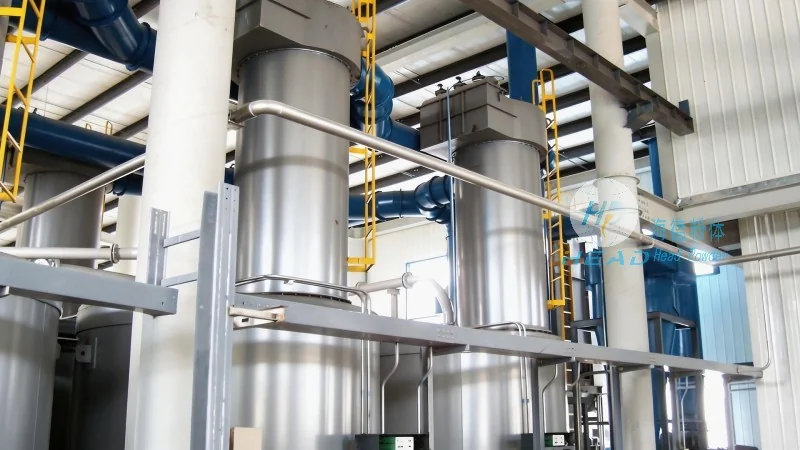
Understanding the Basics of Rice Grain Particle Conveying
Rice grain particles, characterized by their relatively uniform size and density, require specialized handling to prevent breakage, contamination, and loss of quality. Conveying systems must be designed to accommodate these physical properties while ensuring minimal energy consumption and maximum throughput. Traditional methods such as gravity flow and mechanical conveyors have been used for decades, but advancements in material handling technology have led to the development of more sophisticated solutions like pneumatic conveying.
Common Rice Grain Particle Conveying Methods
Several methods are commonly employed for transporting rice grain particles, each with distinct operational principles and applications.
Gravity Flow Conveying: This method relies on the natural force of gravity to move rice grains from a higher elevation to a lower one. It typically involves inclined chutes or hoppers that allow the material to slide down under its own weight. Gravity flow is simple, low-cost, and suitable for short horizontal or vertical distances where the material can flow freely without excessive friction or blockage.
Mechanical Conveying: Mechanical systems, such as belt conveyors, screw conveyors, and bucket elevators, use mechanical power to move rice grain particles. Belt conveyors are widely used for horizontal or slight incline transport, offering high capacity and durability. Screw conveyors are effective for vertical or inclined transport, especially in enclosed systems where dust control is necessary. Bucket elevators are ideal for vertical lifting, transporting rice grains from lower to higher levels with minimal spillage.
Pneumatic Conveying: Pneumatic systems use air or gas to transport rice grain particles through a pipeline. This method is particularly advantageous for rice grains due to its ability to handle fine particles, prevent contamination, and maintain product quality. Pneumatic conveying can be classified into two main types: pressure and vacuum systems. Pressure systems use compressed air to push the material through the pipeline, while vacuum systems use a vacuum to draw the material in. Both types are effective for rice grain transport, with pressure systems generally offering higher flow rates and better control over material movement.
Advantages of Pneumatic Conveying for Rice Grain Particle Transport
Pneumatic conveying systems offer several key advantages that make them a preferred choice for rice grain particle transport:
Minimal Product Damage: Unlike mechanical conveyors that may cause abrasion or breakage, pneumatic systems use air to move particles, reducing the risk of physical damage to rice grains. This is particularly important for maintaining the quality and market value of the product.

Prevention of Contamination: Pneumatic conveying is enclosed, which prevents cross-contamination from external sources and keeps the rice grains clean. This is crucial in food processing applications where hygiene standards are stringent.
Flexibility and Versatility: Pneumatic systems can be easily adapted to different operational needs, including changes in flow rate, direction, or distance. They can handle both short and long-distance transport, making them suitable for various production setups.
Energy Efficiency: Modern pneumatic conveying systems are designed to be energy-efficient, using optimized air flow and pressure to minimize energy consumption while maintaining high throughput.
Reduced Maintenance: Compared to mechanical systems with moving parts, pneumatic conveyors have fewer components that require regular maintenance, leading to lower operational costs and increased system reliability.
Key Components of a Pneumatic Conveying System for Rice Grains
A typical pneumatic conveying system for rice grains consists of several essential components that work together to ensure efficient transport. These components include:
Feed Hopper: The feed hopper is used to store and feed the rice grain particles into the conveying system. It is designed to prevent material buildup and ensure a consistent flow of material.
Conveying Pipeline: The pipeline is the main channel through which the rice grains are transported. It is typically made of durable materials such as stainless steel or plastic to withstand the abrasive nature of rice grains and prevent corrosion.
Air Supply System: This includes the compressor, air dryer, and filters, which provide the necessary compressed air or vacuum to move the rice grains through the pipeline. The air supply system is critical for maintaining consistent pressure and flow rates.
Control Valves and Regulators: These components are used to control the flow rate, direction, and pressure of the air or vacuum in the system. They ensure precise control over the conveying process and prevent overloading or underloading of the system.
Receiver Tank: The receiver tank is where the rice grains are deposited after being conveyed. It is designed to collect the material and prevent spillage or dust emission.
Applications of Pneumatic Conveying in Rice Grain Processing

Pneumatic conveying systems are widely used in various stages of rice grain processing, including:
Harvesting and Storage: After harvesting, rice grains are often stored in bulk. Pneumatic systems can be used to transfer rice grains from storage silos to processing facilities, ensuring efficient movement without the need for manual handling.
Processing and Milling: During the milling process, rice grains are subjected to various operations such as cleaning, husking, and polishing. Pneumatic conveying is used to transport raw rice grains to the processing line and move processed products to storage or packaging areas.
Packaging and Distribution: After processing, rice grains are packaged for distribution. Pneumatic systems can be integrated into packaging lines to transport the final product from the processing area to the packaging machine, ensuring a smooth and continuous operation.
Choosing the Right Pneumatic Conveying System for Rice Grain Particle Transport
When selecting a pneumatic conveying system for rice grain particle transport, several factors should be considered to ensure optimal performance and cost-effectiveness. These factors include:
Material Characteristics: The size, density, and moisture content of the rice grains will influence the choice of system. For example, fine or high-moisture rice grains may require different air flow rates and system configurations.
Transport Distance and Layout: The distance and layout of the production facility will determine the type of pneumatic system to use. Short-distance transport may use pressure systems, while long-distance transport may require vacuum systems or a combination of both.
Capacity and Throughput Requirements: The required flow rate and throughput will dictate the size and capacity of the system components, such as the pipeline diameter, compressor size, and feed hopper capacity.
Environmental and Safety Considerations: The system should be designed to meet environmental regulations and safety standards, including dust control and explosion-proof features, especially in food processing applications.
Conclusion
Efficient rice grain particle conveying is essential for maintaining productivity and product quality in rice processing operations. While various methods are available, pneumatic conveying systems offer significant advantages in terms of minimal product damage, contamination prevention, and operational flexibility. By understanding the key components and applications of pneumatic conveying systems, rice processing facilities can make informed decisions to select the most suitable conveying solution for their specific needs. As technology continues to advance, pneumatic conveying systems are likely to remain a cornerstone of rice grain particle transport, contributing to the efficiency and sustainability of the industry.

 Shandong Headpowder Engineering Co., Ltd.
 156-6277-7102(Quản lý Trương)
  0531-83386006
  Thành phố Tế Nam, Tỉnh Sơn Đông, Trung Quốc
Điện thoại
WeChatTư vấn
Lên đầu