

Common Furfural Residue Conveying Methods: An Introduction to Furfural Residue Pneumatic Conveying
When it comes to handling furfural residue, selecting the right conveying method is crucial for efficiency and safety in industrial operations. Furfural residue, a byproduct from the furfural production process, requires specialized equipment to transport it from one location to another. The choice of conveying system depends on factors such as material characteristics, distance, and the desired level of automation. In this article, we will explore common furfural residue conveying methods, with a particular focus on the advantages of pneumatic conveying systems.
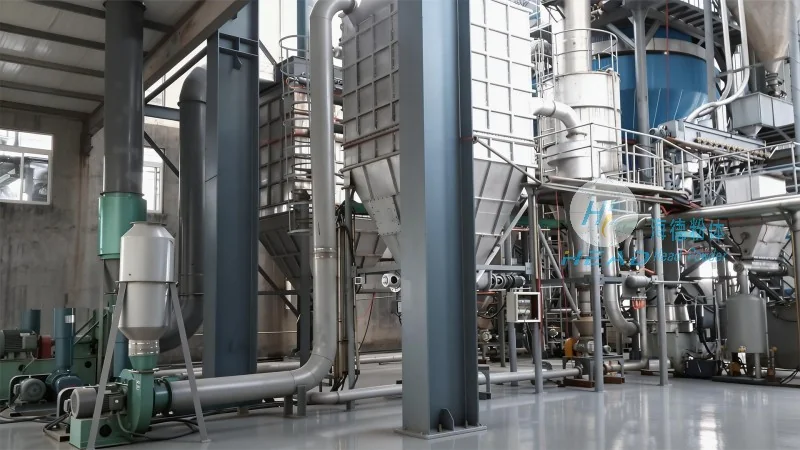
About HeadPowder Engineering Co., Ltd.
HeadPowder Engineering Co., Ltd., a leading provider of industrial conveying solutions, specializes in designing and manufacturing equipment tailored to the unique needs of the chemical and petrochemical industries. With a strong commitment to quality and innovation, HeadPowder has established itself as a trusted partner for companies dealing with challenging materials like furfural residue. The company's headquarters is located in Shandong, China, where it leverages advanced engineering expertise to develop cutting-edge solutions that enhance operational efficiency and reduce downtime.
Characteristics of Furfural Residue
Furfural residue is a solid byproduct that often contains moisture and can be abrasive or corrosive. Its physical properties, such as particle size, density, and flowability, significantly impact the selection of an appropriate conveying method. Traditional methods like belt conveyors or screw conveyors may struggle with the handling of such materials due to their tendency to clump or adhere to surfaces. This makes pneumatic conveying an attractive option for many applications.
Common Conveying Methods for Furfural Residue
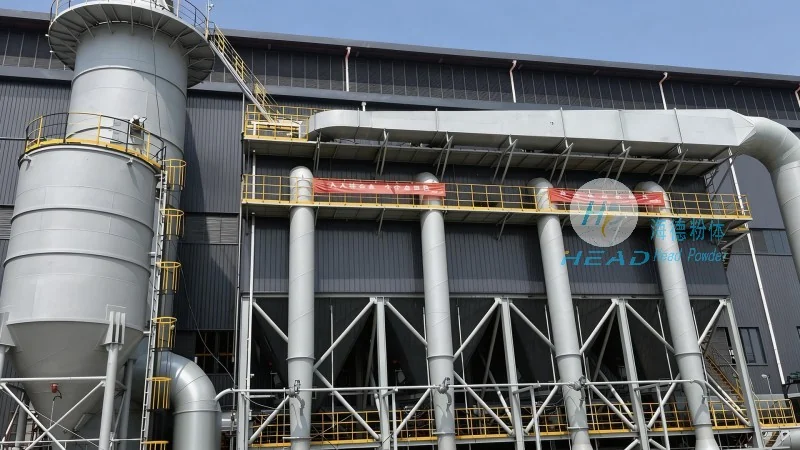
Several methods are commonly used to transport furfural residue, each with its own set of advantages and limitations. The primary options include:
Belt Conveyors: These systems use a continuous belt to move material over a series of rollers. While effective for transporting bulk materials over short distances, belt conveyors may not be suitable for furfural residue due to its tendency to stick to the belt surface, leading to increased maintenance and potential blockages.
Screw Conveyors: Screw conveyors utilize a rotating screw to push material forward. They are often used for horizontal or slight incline applications. However, furfural residue's cohesive nature can cause the screw to become clogged, requiring frequent cleaning and potential adjustments to the screw design.
Pneumatic Conveying: This method uses air pressure to transport material through a pipeline. Pneumatic systems are particularly well-suited for handling fine or abrasive materials like furfural residue, as they can maintain a consistent flow and minimize material degradation.
Advantages of Pneumatic Conveying for Furfural Residue

Pneumatic conveying offers several key benefits that make it an ideal choice for furfural residue transport. First, it provides a completely enclosed system, which helps to contain dust and prevent environmental contamination. This is especially important in industrial settings where air quality regulations are strict. Second, pneumatic systems can handle materials with varying particle sizes and moisture content without the need for pre-drying or conditioning. Third, they offer high flexibility, allowing for changes in the conveying route or destination without major modifications to the infrastructure.
Components of a Pneumatic Conveying System for Furfural Residue
A typical pneumatic conveying system for furfural residue consists of several key components. These include a hopper or feed hopper to store the material, a rotary valve or feeder to control the flow rate, a pipeline system to transport the material, and a receiver or discharge hopper at the destination. The system may also include a blower or compressor to generate the necessary air pressure, as well as filters and cyclones to separate the material from the air stream and prevent dust accumulation in the system.
Design Considerations for Pneumatic Conveying
When designing a pneumatic conveying system for furfural residue, several factors must be considered to ensure optimal performance. The first is the material's flowability and density, which determines the required air velocity and pressure. The second is the distance and elevation change between the source and destination, as these affect the energy consumption and system design. Third, the system must be equipped with appropriate controls to regulate the flow rate and prevent overloading or underloading. Additionally, the materials used for the pipeline and components must be resistant to corrosion and abrasion, given the nature of furfural residue.
Conclusion
In conclusion, the choice of conveying method for furfural residue is critical to the success of industrial operations. While traditional methods like belt and screw conveyors have their uses, pneumatic conveying offers significant advantages in terms of efficiency, flexibility, and environmental compliance. HeadPowder Engineering Co., Ltd. specializes in designing and manufacturing high-quality pneumatic conveying systems tailored to the unique requirements of furfural residue handling. With its headquarters in Shandong, China, HeadPowder leverages advanced engineering and manufacturing capabilities to provide reliable solutions that enhance productivity and safety in the chemical industry.