Chuyên sâu trong lĩnh vực vật liệu rời công nghiệp, cung cấp giải pháp môi trường thông minh tích hợp cho phối trộn tự động, cấp liệu tập trung, khử lưu huỳnh và khử nitơ khô!
Bentonite, a versatile and widely used industrial material, is essential in various applications such as drilling fluids, foundry sands, and environmental remediation. The efficient and reliable transportation of bentonite is crucial for maintaining production efficiency and product quality. In this article, we will explore the different methods of bentonite conveying and focus on the advantages and features of pneumatic conveying, a popular and effective solution for handling this material.
Company Introduction: Shandong HeadPowder Engineering Co., Ltd.
HeadPowder, a leading manufacturer and supplier of bentonite processing equipment, specializes in providing comprehensive solutions for bentonite handling and transportation. With a strong commitment to quality and innovation, HeadPowder has established itself as a trusted partner in the industry. HeadPowder's products are designed to meet the diverse needs of clients, ensuring optimal performance and durability in various applications. The company's headquarters is located in Shandong, China, where it operates a state-of-the-art manufacturing facility equipped with advanced technology and skilled personnel.

Common Methods of Bentonite Conveying
Bentonite can be transported using several methods, each with its own advantages and limitations. The choice of conveying method depends on factors such as the material's properties, the distance to be covered, and the required throughput. The primary methods include bulk handling, mechanical conveying, and pneumatic conveying. Bulk handling involves the use of containers like trucks or railcars for transporting large quantities of bentonite. Mechanical conveying methods, such as belt conveyors and screw conveyors, are commonly used for short to medium distances and are suitable for handling dry or slightly moist bentonite. However, these methods may face challenges when dealing with fine powders or materials that are prone to caking.
Pneumatic Conveying: The Preferred Solution for Bentonite Handling
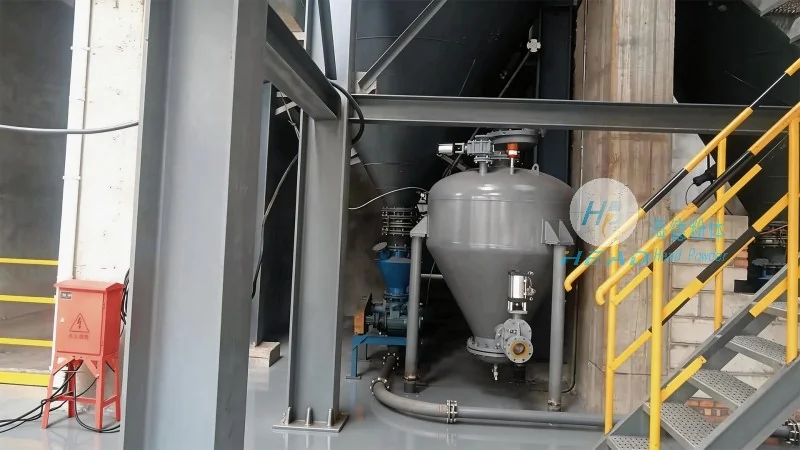
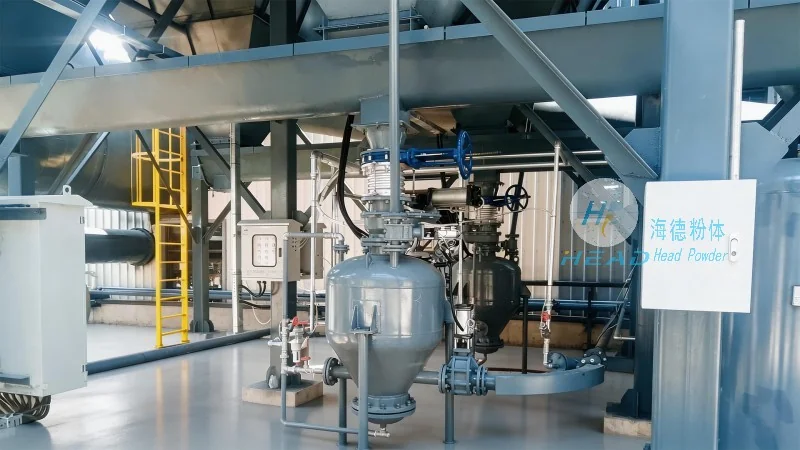
Pneumatic conveying, also known as air conveying, is a method that uses air pressure to transport solid materials like bentonite through a pipeline. This technology offers several advantages over traditional mechanical conveying methods. One of the key benefits is the ability to handle fine powders and prevent material degradation or contamination. Pneumatic conveying systems are also flexible and can be easily integrated into existing production lines. The system typically consists of a blower, a hopper, and a pipeline network. The bentonite is fed into the hopper, and the blower creates a pressure differential that moves the material through the pipeline to the destination. There are two main types of pneumatic conveying: pressure and vacuum systems. Pressure systems use compressed air to push the material, while vacuum systems use a vacuum to pull the material. Both systems are effective, but the choice depends on the specific application and the distance to be covered.
Advantages of Bentonite Pneumatic Conveying

HeadPowder's pneumatic conveying systems for bentonite offer numerous advantages that make them an ideal choice for industrial applications. One of the most significant advantages is the ability to handle fine powders without clogging or degradation. This is particularly important for bentonite, which is often used in applications where particle size and uniformity are critical. The pneumatic conveying system ensures that the material is transported in a controlled manner, maintaining its quality and preventing contamination. Another advantage is the reduced risk of dust exposure and the improved safety of the operation. Unlike mechanical conveyors, pneumatic systems do not require physical contact with the material, minimizing the risk of accidents and health hazards. Additionally, pneumatic conveying systems are more flexible and can be easily adjusted to accommodate changes in production volume or material properties.
Key Features of Bentonite Pneumatic Conveying Systems
HeadPowder's pneumatic conveying systems for bentonite are designed with several key features that enhance their performance and reliability. The systems are equipped with high-efficiency blowers that provide consistent air pressure and flow rates, ensuring smooth and continuous material transport. The hopper and pipeline are constructed from durable materials, such as stainless steel or high-grade plastic, to withstand the corrosive nature of bentonite and prevent material buildup. The system also includes advanced control systems that allow for precise monitoring and adjustment of the conveying process. This ensures that the material is transported at the optimal speed and pressure, minimizing energy consumption and maximizing efficiency. Furthermore, the systems are designed for easy maintenance and cleaning, reducing downtime and maintenance costs. The use of high-quality components and rigorous quality control ensures that the systems operate reliably and have a long service life.
Conclusion: Choosing the Right Bentonite Conveying Method
When selecting a method for bentonite conveying, it is essential to consider the specific requirements of the application. While bulk handling and mechanical conveying methods may be suitable for some applications, pneumatic conveying offers superior performance and flexibility. HeadPowder's pneumatic conveying systems provide an effective solution for handling bentonite, ensuring efficient and reliable transportation. By choosing the right conveying method, industries can improve their production efficiency, maintain product quality, and reduce operational costs. HeadPowder's expertise and commitment to quality make them a reliable partner for bentonite handling and transportation needs.

 Shandong Headpowder Engineering Co., Ltd.
 156-6277-7102(Quản lý Trương)
  0531-83386006
  Thành phố Tế Nam, Tỉnh Sơn Đông, Trung Quốc
Điện thoại
WeChatTư vấn
Lên đầu