

Industrial Salt Conveying Methods: An Overview of the Advantages and Features of Pneumatic Conveying
Industrial salt, a critical raw material in sectors such as chemical production, food processing, and de-icing, demands efficient and reliable transportation to sustain smooth operational workflows. Among the various conveying systems available, pneumatic conveying emerges as a preferred solution due to its unique benefits and operational characteristics. This article provides an overview of industrial salt conveying methods, with a focus on the advantages and features of pneumatic conveying technology.
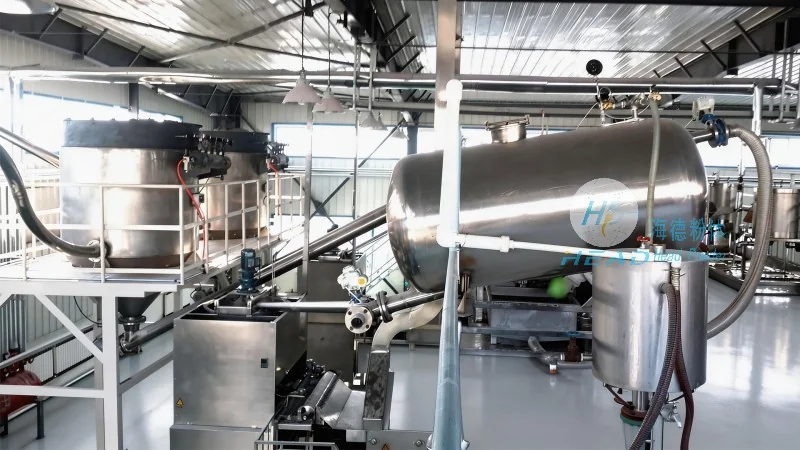
Common Industrial Salt Conveying Methods
Before exploring pneumatic conveying, it is essential to understand traditional industrial salt transportation methods. These include gravity flow systems, belt conveyors, and screw conveyors. Gravity flow relies on the material's natural slope for movement, suitable for short distances and low volumes. Belt conveyors are widely used for bulk handling, offering high capacity and continuous operation. Screw conveyors, or auger conveyors, use a rotating helical screw to transport material along a tube or trough, providing a compact, enclosed solution. However, these conventional methods often encounter challenges with industrial salt, such as dust generation, material degradation, and frequent maintenance needs.
Pneumatic Conveying: A Superior Solution for Industrial Salt
Pneumatic conveying, or air conveying, utilizes compressed air to transport bulk materials like industrial salt through a pipeline network. This method offers distinct advantages over traditional systems, making it ideal for industrial salt handling. A primary benefit is its ability to handle fine and powdery materials without additional equipment like hoppers or chutes. The enclosed pipeline minimizes dust exposure, enhancing workplace safety and reducing environmental contamination. Additionally, pneumatic systems can transport industrial salt over long distances with minimal loss, ensuring consistent material flow and quality control.
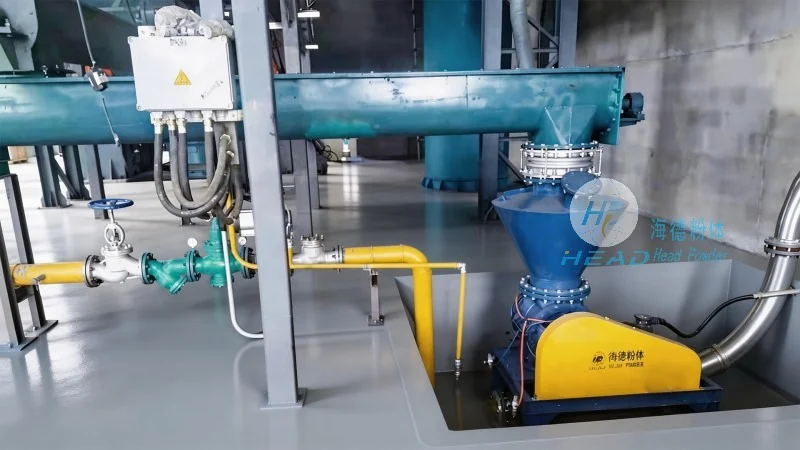
Key Advantages of Pneumatic Conveying for Industrial Salt
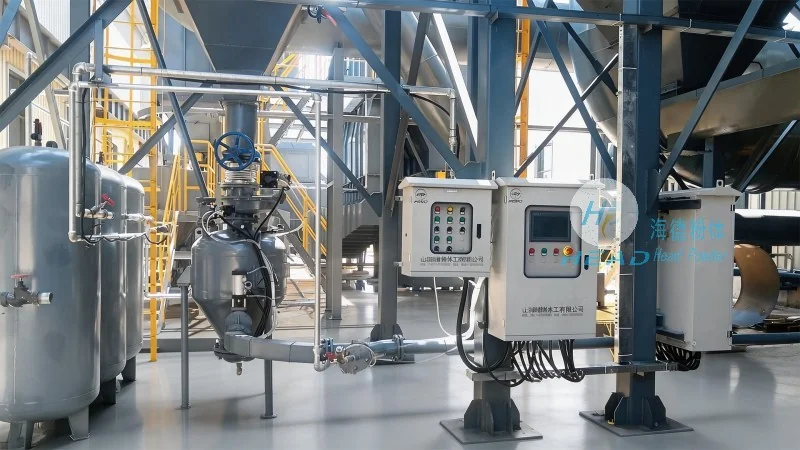
Several key advantages make pneumatic conveying a superior choice for industrial salt. Firstly, the system provides a dust-free environment, crucial for maintaining product quality and complying with environmental regulations. Unlike belt or screw conveyors, pneumatic systems do not expose material to external elements, preventing moisture absorption and contamination. Secondly, the enclosed pipeline allows precise control over flow rate and pressure, enabling better management of the conveying process. This control is vital when dealing with industrial salt, as variations in density or moisture affect efficiency. Thirdly, pneumatic systems are highly flexible and can integrate easily into existing production lines. They accommodate both dry and slightly moist industrial salt, adapting to diverse production requirements without significant modifications.
Technical Features of Pneumatic Conveying Systems
The effectiveness of pneumatic conveying for industrial salt stems from its technical design. These systems typically consist of a blower/compressor, a material feed hopper, a pipeline network, and a discharge unit. The blower generates air pressure to move material through the pipeline. The feed hopper ensures consistent material supply, preventing blockages and maintaining steady flow. The pipeline, often made of stainless steel or corrosion-resistant materials, withstands the abrasive nature of industrial salt and prevents buildup. The discharge unit, such as a rotary valve or venturi, controls material release at the destination, ensuring accurate and controlled delivery.
Application Examples in Industrial Salt Handling

HeadPowder Engineering, a leading provider of industrial conveying solutions, has successfully implemented pneumatic systems for industrial salt applications. For example, in a chemical plant, the company installed a pneumatic system to transport fine industrial salt from storage silos to processing units. The system reduced dust emissions by 90% compared to traditional methods and improved efficiency by 30%. In another case, a food processing facility used a pneumatic system to transport de-icing salt to storage areas, ensuring safe operation during winter. These examples highlight the practical benefits of pneumatic conveying in real-world settings.
Conclusion and Company Overview
Industrial salt conveying methods have evolved, with pneumatic conveying becoming a preferred solution due to its efficiency, safety, and adaptability. The advantages of pneumatic conveying—including dust-free operation, precise control, and flexibility—make it ideal for various industrial salt applications. HeadPowder Engineering, with expertise in industrial conveying systems, continues to deliver high-quality pneumatic solutions tailored to client needs. Based in Shandong, China, the company leverages advanced technology and engineering to provide reliable, efficient industrial salt handling solutions, ensuring smooth operations and enhanced productivity for its customers.