Chuyên sâu trong lĩnh vực vật liệu rời công nghiệp, cung cấp giải pháp môi trường thông minh tích hợp cho phối trộn tự động, cấp liệu tập trung, khử lưu huỳnh và khử nitơ khô!
When it comes to the handling and transportation of glass slag, selecting the right conveying method is crucial for efficiency and operational safety. Glass slag, a byproduct of glass manufacturing processes, poses unique challenges due to its abrasive nature and varying particle sizes. Traditional methods like belt conveyors or screw conveyors may struggle with the high wear and tear caused by glass fragments, leading to increased maintenance costs and downtime. This article explores the various glass slag conveying methods available and highlights the advantages of pneumatic conveying as a modern solution.
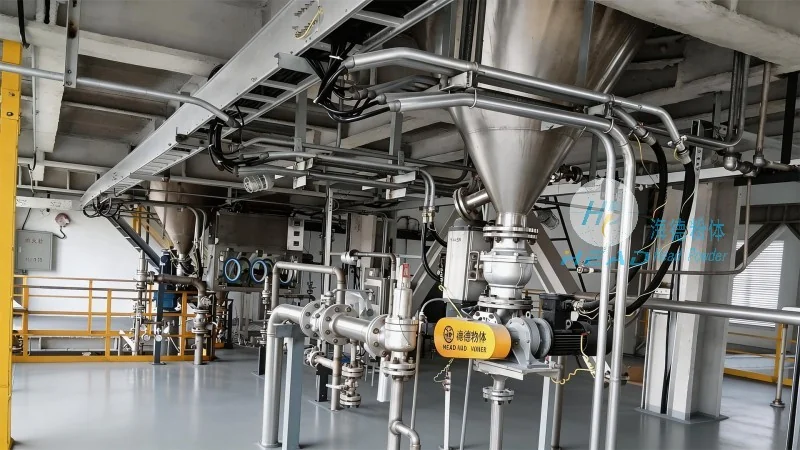
Overview of Glass Slag Conveying Methods
Glass slag, also known as glass cullet or waste glass, is generated during the recycling and processing of glass products. The primary goal of conveying this material is to transport it from one processing stage to another, such as from a crushing or sorting unit to a storage silo or a recycling facility. Several methods are commonly used in the industry, each with its own set of advantages and limitations. The most prevalent options include mechanical conveyors, hydraulic systems, and pneumatic conveying systems.
Traditional Conveying Methods and Their Limitations
Traditional mechanical conveyors, such as belt conveyors and screw conveyors, have been widely used in bulk material handling for decades. However, when applied to glass slag, these systems often face significant challenges. Belt conveyors, for instance, are susceptible to wear from abrasive glass particles, which can lead to frequent belt replacement and increased operational costs. Screw conveyors, while effective for some materials, may experience blockages and clogging when dealing with irregularly shaped glass fragments, causing interruptions in the production process. Additionally, these mechanical systems require regular maintenance to prevent breakdowns and ensure smooth operation. The high friction and impact forces involved in moving glass slag can also lead to increased energy consumption and reduced efficiency.
Pneumatic Conveying: A Modern Solution for Glass Slag Handling
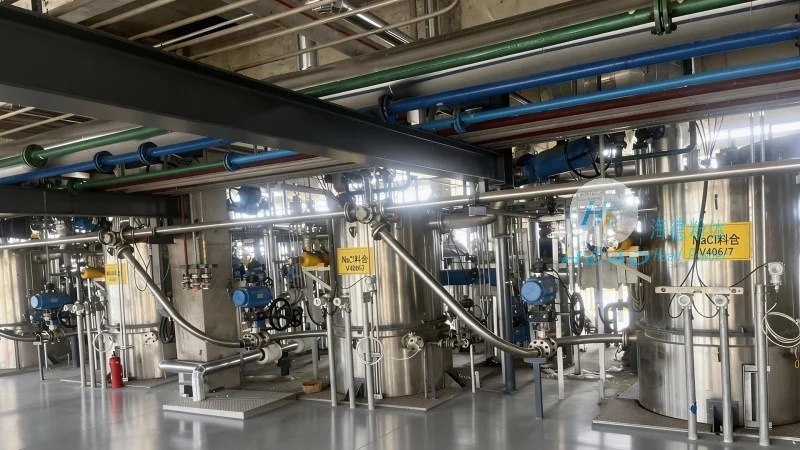
Pneumatic conveying, also known as air conveying, offers a superior alternative to traditional mechanical methods for glass slag transportation. This technology uses a stream of compressed air to transport bulk materials through a pipeline system. The process involves creating a pressure differential between the inlet and outlet of the conveying line, which propels the material forward. Pneumatic conveying systems for glass slag are designed to handle the abrasive and abrasive nature of the material while minimizing wear and maintenance requirements.
Key Advantages of Pneumatic Conveying for Glass Slag
One of the primary advantages of pneumatic conveying for glass slag is its ability to handle abrasive materials without significant wear on the system components. Unlike mechanical conveyors that rely on moving parts in direct contact with the material, pneumatic systems use flexible hoses or rigid pipes with internal liners that are resistant to abrasion. This design reduces the need for frequent repairs and extends the service life of the equipment. Another key benefit is the reduced risk of material contamination. Pneumatic systems can be designed with sealed pipelines, preventing dust and particles from escaping into the environment and maintaining the purity of the glass slag. This is particularly important in recycling operations where the quality of the material is critical.

Efficiency and flexibility are also significant advantages of pneumatic conveying. These systems can transport glass slag over long distances and through complex layouts, including vertical lifts and horizontal curves, with minimal energy consumption. The ability to adjust the conveying speed and pressure allows for precise control over the material flow, ensuring consistent and reliable operation. Additionally, pneumatic conveying can handle a wide range of particle sizes and moisture content, making it suitable for various glass slag applications, from raw material transport to final product storage.
Components and Design of Pneumatic Conveying Systems for Glass Slag
A typical pneumatic conveying system for glass slag consists of several key components, including a material feeder, a compressor, a conveying line, and a receiver or silo. The material feeder is responsible for introducing the glass slag into the system, ensuring a consistent flow rate. The compressor generates the compressed air that propels the material through the pipeline. The conveying line, often made of stainless steel or other corrosion-resistant materials, is designed to withstand the abrasive nature of the glass particles. The receiver or silo collects the conveyed material and can be equipped with level sensors and discharge mechanisms for automated operation.
The design of the system is tailored to the specific characteristics of glass slag. For example, the choice of material for the conveying line and components is critical to prevent corrosion and wear. Stainless steel is commonly used due to its resistance to chemical and abrasive attacks. The system may also include features such as cyclones or filters to separate any fine particles from the air stream, ensuring that the material is delivered in a clean and dry state. The control system, which monitors and adjusts the pressure and flow rates, plays a vital role in maintaining the efficiency and reliability of the operation.
Applications of Pneumatic Conveying in Glass Slag Processing
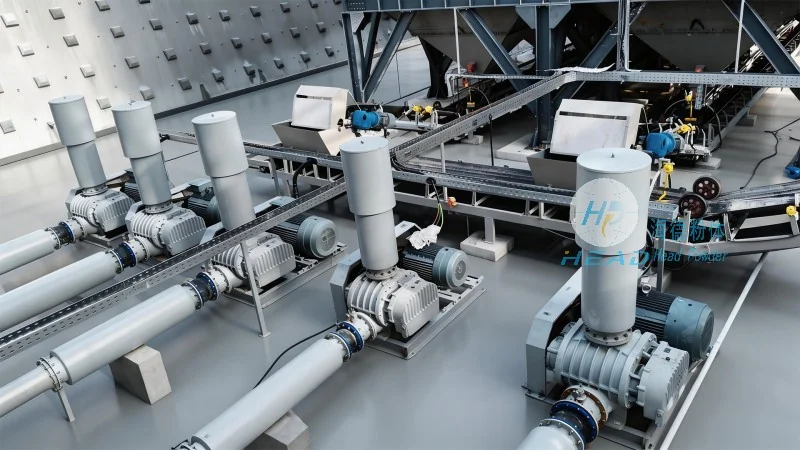
Pneumatic conveying is widely used in various stages of glass slag processing and recycling. In the initial stages, it can transport raw glass waste from collection points to processing facilities. During the recycling process, it is used to move crushed glass from sorting and screening units to storage silos or further processing equipment. In the final stages, it can convey the recycled glass to packaging or shipping areas. The flexibility of pneumatic systems allows them to integrate seamlessly with existing processing lines, enhancing overall operational efficiency.
One notable application is in the production of glass fiber or glass wool, where the recycled glass is used as a raw material. Pneumatic conveying ensures that the glass slag is delivered to the melting furnaces or other processing equipment in a controlled manner, maintaining the quality of the final product. Another application is in the manufacturing of glass containers, where the recycled glass is mixed with new raw materials to produce new bottles or jars. The ability of pneumatic systems to handle both new and recycled glass materials makes them a versatile solution for glass manufacturers.
Conclusion and Recommendations
Glass slag conveying is a critical aspect of glass manufacturing and recycling operations, and the choice of conveying method significantly impacts operational efficiency and cost. While traditional mechanical methods have been used for many years, pneumatic conveying offers superior advantages in terms of wear resistance, material purity, and operational flexibility. For glass slag applications, pneumatic conveying systems provide a reliable and efficient solution that minimizes maintenance and maximizes productivity.
When selecting a conveying system for glass slag, it is essential to consider the specific characteristics of the material, such as particle size, moisture content, and abrasive properties. Pneumatic conveying systems are particularly suitable for handling abrasive materials and can be customized to meet the unique requirements of each application. Companies like Shandong HeadPowder Engineering Co., Ltd., with a focus on engineering solutions for bulk material handling, offer advanced pneumatic conveying systems designed to optimize glass slag processing operations. Their expertise in material handling technology ensures that clients can achieve efficient and cost-effective glass slag transportation, contributing to the sustainability and profitability of their operations.

 Shandong Headpowder Engineering Co., Ltd.
 156-6277-7102(Quản lý Trương)
  0531-83386006
  Thành phố Tế Nam, Tỉnh Sơn Đông, Trung Quốc
Điện thoại
WeChatTư vấn
Lên đầu