Chuyên sâu trong lĩnh vực vật liệu rời công nghiệp, cung cấp giải pháp môi trường thông minh tích hợp cho phối trộn tự động, cấp liệu tập trung, khử lưu huỳnh và khử nitơ khô!
High-alumina fly ash, a byproduct of coal combustion in thermal power plants, is widely used in construction and industrial applications due to its high alumina content and beneficial properties. The efficient and reliable transportation of this material from its source to processing or storage facilities is crucial for industrial operations. Various conveying methods are available, but pneumatic conveying has emerged as a preferred solution for high-alumina fly ash due to its unique advantages. This article explores the different high-alumina fly ash conveying methods and highlights the key benefits and features of pneumatic conveying systems.
Understanding High-Alumina Fly Ash and Conveying Challenges
High-alumina fly ash, also known as Class C fly ash, is characterized by its high content of aluminum oxide (Al₂O₃) and calcium oxide (CaO), which contribute to its pozzolanic properties. These properties make it an excellent supplementary cementitious material in concrete production, enhancing strength and durability. However, the physical characteristics of high-alumina fly ash, such as its fine particle size, density, and potential for agglomeration, pose challenges for conventional conveying methods like belt conveyors or screw conveyors. These methods may suffer from material buildup, blockages, and increased wear and tear, leading to operational inefficiencies and higher maintenance costs.
Common High-Alumina Fly Ash Conveying Methods
Several conveying methods are utilized in industrial settings to transport high-alumina fly ash. The primary options include mechanical conveying systems, such as belt conveyors and screw conveyors, and pneumatic conveying systems. Mechanical systems are generally suitable for short-distance, low-volume applications and are relatively cost-effective. However, they are limited by the material's properties and may not be ideal for long-distance or high-volume transport. In contrast, pneumatic conveying systems offer greater flexibility and efficiency for handling high-alumina fly ash, especially in large-scale industrial operations.
Pneumatic Conveying: The Preferred Solution for High-Alumina Fly Ash
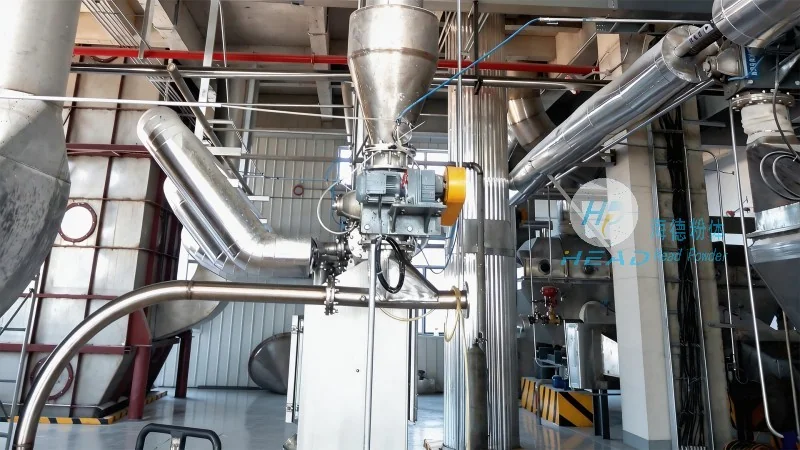
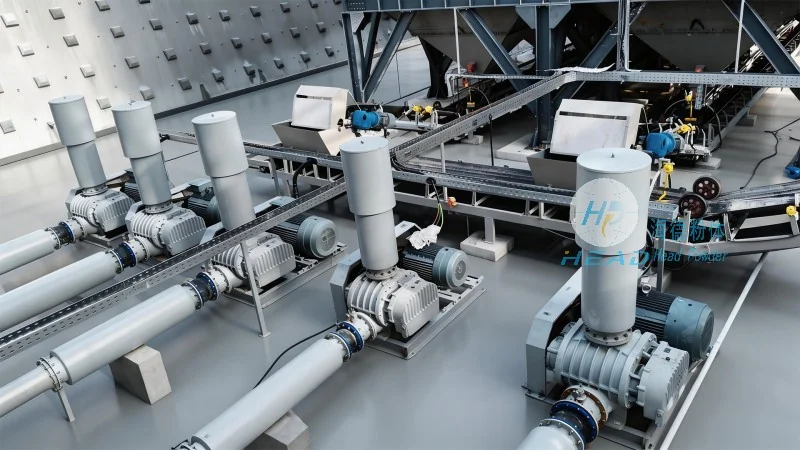
Pneumatic conveying, also known as air conveying, is a method that uses compressed air to transport bulk materials through a pipeline. This technology is particularly effective for high-alumina fly ash due to its ability to handle fine, abrasive, and potentially sticky particles without the need for mechanical components that can cause blockages or wear. The system typically consists of a blower or compressor, a hopper to feed the material, and a pipeline network that transports the ash to the destination. The compressed air creates a flow that carries the fly ash particles through the pipeline, ensuring a continuous and controlled delivery.
Key Advantages of High-Alumina Fly Ash Pneumatic Conveying
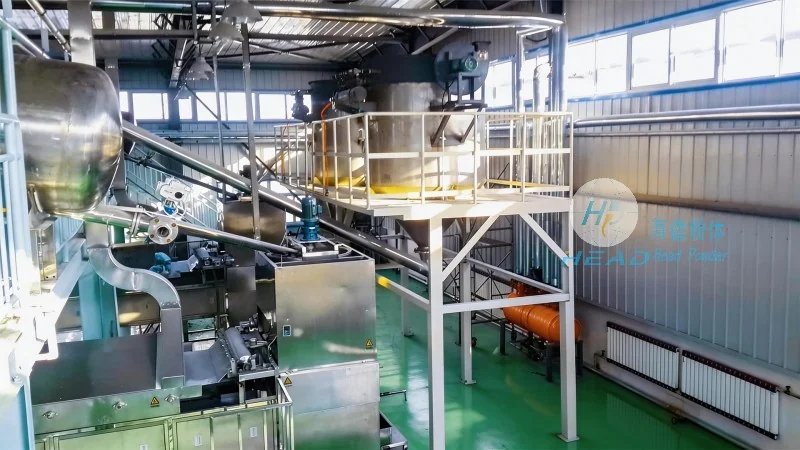
One of the most significant advantages of pneumatic conveying for high-alumina fly ash is its ability to handle fine particles and prevent material buildup. Unlike mechanical systems that rely on gravity or mechanical force, pneumatic systems use air pressure to move the material, reducing the risk of blockages and ensuring a smooth flow. This results in higher operational efficiency and lower downtime for maintenance. Additionally, pneumatic conveying systems are less prone to wear and tear compared to mechanical conveyors, as they do not involve moving parts that come into direct contact with the material. This leads to lower maintenance costs and longer system lifespans.
Features and Components of High-Alumina Fly Ash Pneumatic Conveying Systems

High-quality pneumatic conveying systems for high-alumina fly ash are designed with specific features to optimize performance and reliability. These systems typically include a dust collection and filtration system to prevent air pollution and ensure compliance with environmental regulations. The use of high-quality materials, such as stainless steel or special alloys, is essential to resist corrosion and abrasion caused by the fine particles. Additionally, advanced control systems allow for precise regulation of air pressure and flow, ensuring consistent material transport and minimizing energy consumption.
HeadPowder: Expert in High-Alumina Fly Ash Pneumatic Conveying Solutions
Shandong HeadPowder Engineering Co., Ltd., a leading manufacturer of industrial conveying equipment, specializes in providing customized pneumatic conveying solutions for high-alumina fly ash applications. With years of experience in the industry, HeadPowder has developed advanced systems that meet the specific needs of power plants, cement manufacturers, and construction companies. The company's expertise lies in designing and manufacturing high-efficiency, low-maintenance pneumatic conveying systems that enhance operational productivity and reduce costs. HeadPowder's commitment to quality and innovation has made it a trusted partner for businesses seeking reliable high-alumina fly ash conveying solutions.
Conclusion: Choosing the Right Conveying Method for High-Alumina Fly Ash
When selecting a conveying method for high-alumina fly ash, it is essential to consider the specific requirements of the application, including distance, volume, and material characteristics. While mechanical systems may be suitable for short distances, pneumatic conveying offers superior performance and flexibility for large-scale operations. The advantages of pneumatic conveying, such as efficient material transport, reduced maintenance, and environmental compliance, make it the preferred choice for many industrial applications. By choosing a high-quality pneumatic conveying system from a reputable manufacturer like HeadPowder, businesses can ensure reliable and cost-effective transportation of high-alumina fly ash, enhancing overall operational efficiency and sustainability.

 Shandong Headpowder Engineering Co., Ltd.
 156-6277-7102(Quản lý Trương)
  0531-83386006
  Thành phố Tế Nam, Tỉnh Sơn Đông, Trung Quốc
Điện thoại
WeChatTư vấn
Lên đầu