Chuyên sâu trong lĩnh vực vật liệu rời công nghiệp, cung cấp giải pháp môi trường thông minh tích hợp cho phối trộn tự động, cấp liệu tập trung, khử lưu huỳnh và khử nitơ khô!
In the food processing sector, selecting an appropriate material handling method for seasoning is essential to ensure operational efficiency, product quality, and adherence to safety standards. This article provides a comprehensive comparison of common seasoning material handling techniques, outlining their respective advantages and disadvantages to assist businesses in making informed decisions.
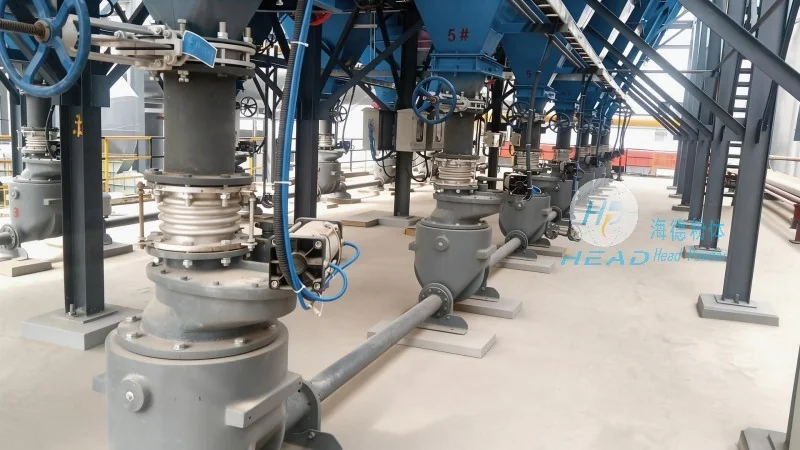
Introduction to Seasoning Material Handling Methods
Seasoning materials, which include spices, herbs, and flavor enhancers, present unique handling challenges due to their diverse physical properties. The choice of material handling method is influenced by factors such as the type of seasoning (e.g., fine powders or coarse granules), processing volume, and the required level of hygiene and control. Common approaches include pneumatic conveying, mechanical conveying, and manual handling, each with distinct characteristics that impact overall performance and cost.
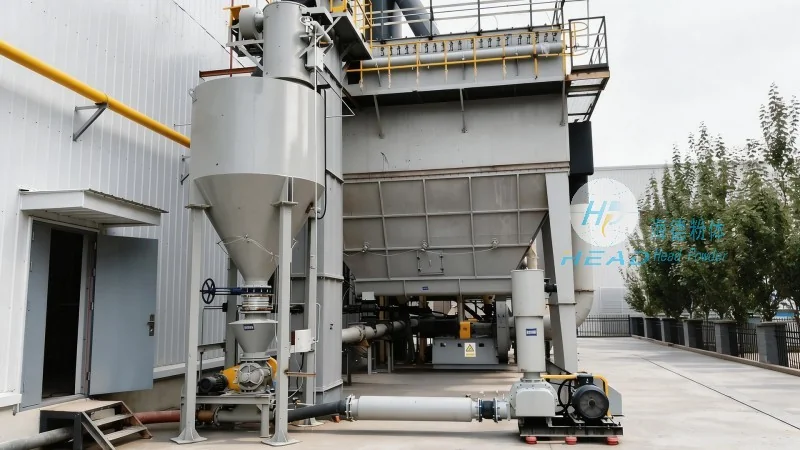
Pneumatic Conveying Systems: Advantages and Disadvantages
Pneumatic conveying systems utilize air or gas to transport dry powders and granules, including various seasonings. This method offers several key advantages. First, it provides high flexibility in system layout, allowing for transport over long distances and integration with other processing equipment. Second, it minimizes product contamination, as materials are enclosed within the system. Third, it can handle a wide range of materials, from fine powders to coarse granules. However, pneumatic systems also have notable drawbacks. The primary disadvantage is high energy consumption, as continuous air flow is required to move materials. Additionally, pressure drops over long distances can reduce conveying capacity, and maintenance costs are significant due to the need for regular filter replacement and air compressor upkeep.
Mechanical Conveying Systems: Advantages and Disadvantages
Mechanical conveying systems, such as screw conveyors, belt conveyors, and bucket elevators, are widely used for transporting seasoning materials. These systems offer advantages including lower energy consumption compared to pneumatic systems, reduced maintenance requirements, and the ability to handle diverse material types, including bulkier or sticky seasonings. Mechanical conveyors are also cost-effective for short to medium-distance transport and can be easily integrated into existing production lines. The main disadvantages include limited flexibility in system design, as the layout is often fixed once installed. Additionally, mechanical systems may cause product degradation or contamination if not properly maintained, and they can be prone to blockages with sticky or fibrous seasonings, leading to downtime and increased maintenance.

Manual Handling Methods: Advantages and Disadvantages
Manual handling, which involves the use of buckets, shovels, and conveyor belts operated by workers, is still employed in some food processing facilities, particularly for small-scale operations or when handling large quantities of bulk seasonings. This method offers the advantage of low initial investment and simplicity, as no complex machinery is required. However, manual handling has significant disadvantages, including high labor costs, increased risk of product contamination due to human contact, and limited operational efficiency compared to automated systems. Additionally, manual methods are less hygienic and may not meet strict food safety regulations, especially in industries with high standards for product purity. The reliance on manual labor also introduces variability in handling speed and consistency, which can impact product quality and batch-to-batch uniformity.

Key Factors in Selecting a Seasoning Material Handling Method
When choosing a seasoning material handling method, businesses must consider several critical factors to ensure optimal performance and cost-effectiveness. The type of seasoning is a primary consideration; for example, pneumatic conveying is ideal for fine powders, while mechanical conveyors may be more suitable for bulkier or sticky materials. Processing volume and required throughput are also essential, as high-volume operations benefit from automated systems to maintain efficiency. Additionally, available budget and space constraints will impact the feasibility of different options. For instance, small-scale operations may opt for manual handling due to lower initial costs, while larger facilities may invest in pneumatic or mechanical systems to improve scalability and productivity.
Conclusion
Each seasoning material handling method has its own set of advantages and disadvantages, and the best choice depends on the specific needs of the food processing facility. Pneumatic conveying offers flexibility and high capacity but at a higher cost, while mechanical systems provide lower energy consumption and simpler maintenance. Manual handling remains a viable option for small operations but is less efficient and hygienic. By carefully evaluating these factors, businesses can select the most appropriate material handling method to enhance operational efficiency, maintain product quality, and ensure compliance with industry standards. Shandong HeadPowder Engineering Co., Ltd., a leading provider of material handling solutions, specializes in designing and implementing customized systems tailored to the unique requirements of food processing industries. With a focus on innovation and quality, HeadPowder offers advanced solutions to optimize seasoning material handling, helping businesses achieve their production goals while maintaining the highest standards of safety and hygiene.

 Shandong Headpowder Engineering Co., Ltd.
 156-6277-7102(Quản lý Trương)
  0531-83386006
  Thành phố Tế Nam, Tỉnh Sơn Đông, Trung Quốc
Điện thoại
WeChatTư vấn
Lên đầu