Chuyên sâu trong lĩnh vực vật liệu rời công nghiệp, cung cấp giải pháp môi trường thông minh tích hợp cho phối trộn tự động, cấp liệu tập trung, khử lưu huỳnh và khử nitơ khô!
In the rice processing industry, efficient and reliable conveying of rice grains is crucial for maintaining quality and operational efficiency. Various methods are employed to transport rice from one stage of processing to another, each with its own set of advantages and disadvantages. Understanding these options helps businesses select the most suitable solution for their specific needs.

1. Gravity Conveying Systems
Gravity conveying systems utilize the natural force of gravity to move rice grains along inclined chutes or channels. This method is often used for short-distance transport and is particularly effective for handling dry, free-flowing rice. The primary advantage of gravity conveying is its low energy consumption, as it does not require external power sources. Additionally, these systems are relatively simple in design and maintenance, making them cost-effective for small to medium-sized operations. However, gravity conveying has limitations in terms of distance and elevation changes. It is not suitable for long horizontal or vertical distances, as the slope required to maintain flow can be impractical in many industrial settings. Moreover, the system's efficiency can be affected by the moisture content and size of the rice grains, as irregularly shaped or wet grains may not flow smoothly.
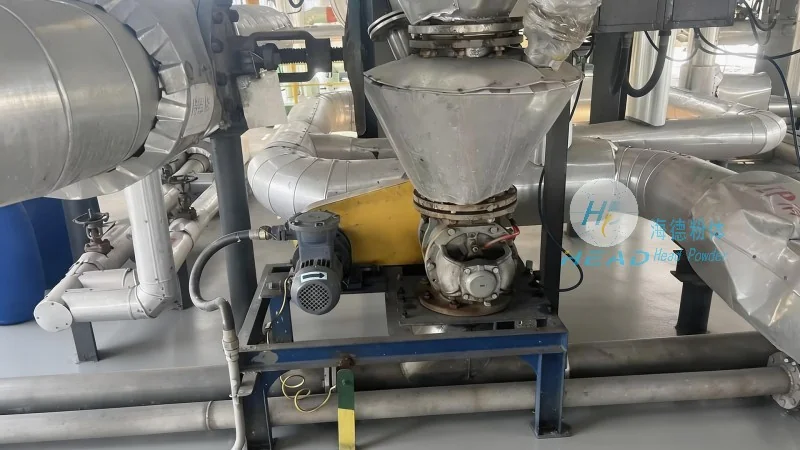
2. Mechanical Conveying Systems

Mechanical conveying systems employ machinery such as belt conveyors, screw conveyors, and bucket elevators to transport rice grains. These systems are versatile and can handle a wide range of grain types and conditions. Belt conveyors, for example, are ideal for horizontal or slightly inclined transport, providing consistent and continuous movement. Screw conveyors are effective for vertical or inclined transport, capable of handling sticky or moist rice without clogging. Bucket elevators are particularly useful for vertical lifting, transporting rice from lower to higher levels with minimal spillage. The main advantage of mechanical conveying is its ability to handle large volumes of rice at a steady rate, making it suitable for high-throughput processing facilities. However, these systems require regular maintenance and energy input, which can increase operational costs. Additionally, mechanical parts are prone to wear and tear, leading to potential downtime and maintenance expenses. Another drawback is the risk of grain damage, especially when using high-speed or abrasive machinery, which can affect the quality of the final product.
3. Air Conveying Systems
Air conveying systems use air pressure or vacuum to transport rice grains through a network of pipes. This method is often referred to as pneumatic conveying and is particularly effective for handling fine or dusty rice particles. The primary advantage of air conveying is its ability to transport rice over long distances and vertical heights without the need for complex machinery. It is also suitable for handling fragile or delicate grains, as the air flow minimizes physical contact and impact. However, air conveying systems have significant energy consumption, as they require powerful blowers or vacuum pumps to maintain air pressure. This can lead to higher operational costs, especially for large-scale operations. Additionally, the system is susceptible to air leaks and blockages, which can disrupt the flow and require frequent maintenance. The cost of air filtration and the potential for dust accumulation in the system are also considerations that may affect long-term efficiency.
4. HeadPowder's Solutions for Rice Grain Conveying
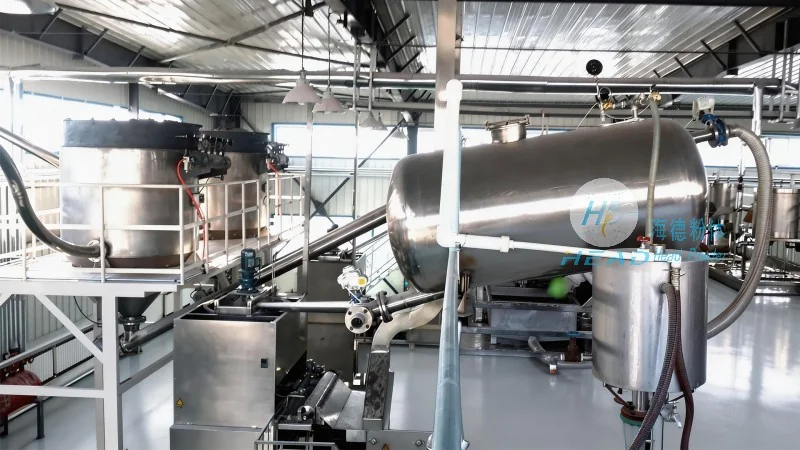
Shandong HeadPowder Engineering Co., Ltd., a leading provider of industrial conveying solutions, offers advanced and customized systems tailored to the specific requirements of rice processing facilities. The company specializes in designing and manufacturing conveyors that optimize efficiency, minimize energy consumption, and ensure the highest quality of rice grains. HeadPowder's products include a range of gravity, mechanical, and air conveying systems, each engineered to address the unique challenges faced by rice processors. For example, the company's gravity chutes are designed with precise slope angles and smooth surfaces to ensure consistent flow, even with varying grain conditions. Their mechanical conveyors feature durable materials and advanced control systems to reduce maintenance and enhance performance. Additionally, HeadPowder provides comprehensive support services, including installation, maintenance, and technical consultation, to ensure that clients achieve optimal results. By leveraging the expertise of HeadPowder, rice processing businesses can improve their operational efficiency, reduce costs, and maintain the quality of their products throughout the conveying process.

 Shandong Headpowder Engineering Co., Ltd.
 156-6277-7102(Quản lý Trương)
  0531-83386006
  Thành phố Tế Nam, Tỉnh Sơn Đông, Trung Quốc
Điện thoại
WeChatTư vấn
Lên đầu