Chuyên sâu trong lĩnh vực vật liệu rời công nghiệp, cung cấp giải pháp môi trường thông minh tích hợp cho phối trộn tự động, cấp liệu tập trung, khử lưu huỳnh và khử nitơ khô!
When it comes to managing sediment transport in various industrial and environmental applications, selecting the right method is crucial for efficiency, cost-effectiveness, and environmental compliance. Sediment, which includes sand, silt, and other particulate matter, often needs to be moved from one location to another for treatment, disposal, or reuse. The choice of transport method impacts not only operational costs but also the potential for environmental impact and equipment longevity. This article provides a detailed comparison of common sediment transport methods, highlighting their advantages and disadvantages, to help stakeholders make informed decisions. The insights shared here are brought to you by Shandong HeadPowder Engineering Co., Ltd., a leading provider of engineering solutions for sediment management in China.
Overview of Sediment Transport Methods

Sediment transport can be categorized into several primary methods, each with distinct characteristics suited to different scenarios. The most common approaches include pipeline transport, open channel transport, pumping systems, and gravity flow. Each method has its own set of benefits and drawbacks, which are critical to consider based on the specific project requirements, such as distance, volume, and terrain.
Pipeline Transport: Advantages and Disadvantages
Pipeline transport involves moving sediment through a closed system of pipes. This method is widely used in industrial settings due to its ability to handle large volumes of material and maintain consistent flow rates. One of the key advantages of pipeline transport is its efficiency in controlling the movement of sediment, minimizing the risk of spillage and environmental contamination. The enclosed system also reduces the impact of weather conditions, making it suitable for both indoor and outdoor applications.
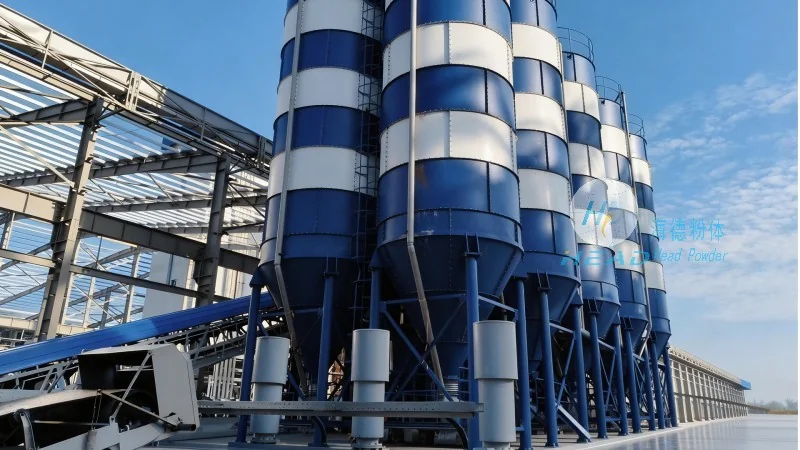
However, pipeline transport comes with significant disadvantages. The initial capital investment for pipeline infrastructure can be high, especially for long distances or complex layouts. Maintenance costs are also substantial, as pipelines require regular inspections and repairs to prevent leaks or blockages. Additionally, the system may not be suitable for all types of sediment, particularly those with high abrasiveness or varying particle sizes, which can cause wear and tear on the pipes.
Open Channel Transport: Advantages and Disadvantages
Open channel transport, also known as flume or channel transport, uses open conduits like ditches, canals, or flumes to move sediment. This method is often employed in agricultural and environmental projects where the terrain is flat or where the sediment volume is relatively low. A major advantage of open channel transport is its low initial cost compared to pipeline systems. It also allows for the natural flow of sediment, which can be beneficial for certain types of material that may be damaged by high pressure.
Nevertheless, open channel transport has notable drawbacks. The primary disadvantage is the high risk of environmental contamination, as the open system is more susceptible to spills and runoff. Weather conditions, such as heavy rain or drought, can significantly affect the flow rate and stability of the channel, leading to inefficiencies or even failure. Additionally, open channels are less effective at controlling the speed and direction of sediment flow, which can result in erosion or deposition issues downstream.
Pumping Systems: Advantages and Disadvantages
Pumping systems utilize mechanical pumps to move sediment through pipes or open channels. This method is versatile and can be adapted to various distances and elevations, making it suitable for both short and long transport needs. One of the key advantages of pumping systems is their ability to handle a wide range of sediment types and concentrations. Pumps can be designed to operate under high pressure, ensuring consistent flow rates even in challenging conditions.
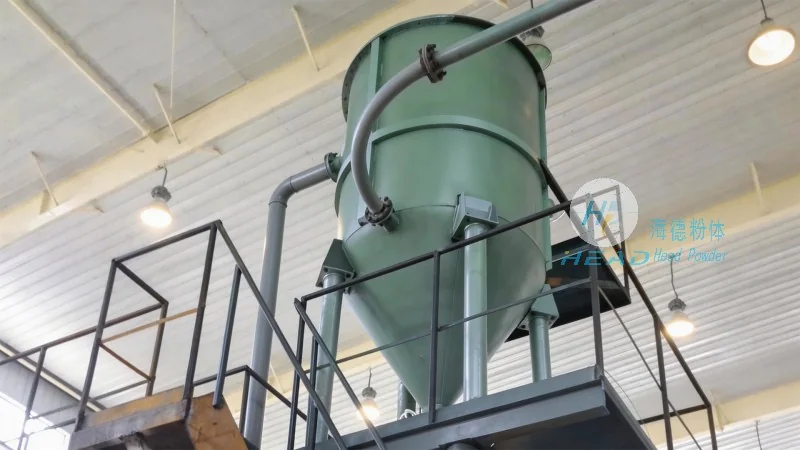
However, pumping systems have their own set of challenges. The energy consumption is a significant factor, as pumps require substantial power to operate, especially for large volumes or high heads. Maintenance costs are also higher compared to other methods, as pumps and associated components need regular servicing to ensure optimal performance. Furthermore, the risk of equipment failure is present, which can lead to interruptions in sediment transport and potential environmental impacts.
Gravity Flow: Advantages and Disadvantages
Gravity flow involves moving sediment through a system where the force of gravity drives the flow. This method is typically used for short distances with sufficient elevation changes. A major advantage of gravity flow is its low operational cost, as it does not require pumps or other mechanical equipment. The system is also simple to install and maintain, making it a cost-effective solution for certain applications.
Despite these benefits, gravity flow has significant limitations. The primary drawback is the dependence on natural elevation changes, which may not be available in all locations. This means that the method is only suitable for projects where the source and destination are at different heights. Additionally, the flow rate is often slower compared to other methods, which can increase the time required for sediment transport. The system is also less effective at controlling the flow of fine particles, which may settle and cause blockages over time.
Choosing the Right Sediment Transport Method

When selecting a sediment transport method, several factors must be considered to ensure the best outcome. The first step is to assess the project requirements, including the volume and type of sediment, the distance to be transported, and the available terrain. Cost is another critical factor, as different methods have varying initial and operational expenses. Environmental impact is also a key consideration, as the method must minimize the risk of contamination and erosion.
For many applications, a combination of methods may be used to address specific challenges. For example, a pipeline system may be used for long-distance transport, while a pumping system is employed for short distances or elevation changes. The goal is to select a method that balances efficiency, cost, and environmental responsibility, ensuring that the sediment is moved safely and effectively.
Conclusion
Sediment transport is a critical aspect of many industrial and environmental processes, and the choice of method plays a significant role in the success of these operations. By understanding the advantages and disadvantages of common sediment transport methods, stakeholders can make informed decisions that align with their project goals and constraints. Whether using pipeline, open channel, pumping, or gravity flow systems, the key is to select the most appropriate method based on a thorough analysis of the specific requirements and conditions.

 Shandong Headpowder Engineering Co., Ltd.
 156-6277-7102(Quản lý Trương)
  0531-83386006
  Thành phố Tế Nam, Tỉnh Sơn Đông, Trung Quốc
Điện thoại
WeChatTư vấn
Lên đầu