Chuyên sâu trong lĩnh vực vật liệu rời công nghiệp, cung cấp giải pháp môi trường thông minh tích hợp cho phối trộn tự động, cấp liệu tập trung, khử lưu huỳnh và khử nitơ khô!
Efficient and reliable aggregate conveying is a critical component in various industrial applications, particularly in construction, mining, and material processing sectors. The choice of conveying method significantly impacts operational efficiency, cost-effectiveness, and safety. This article provides a detailed comparison of common aggregate conveying methods, highlighting their advantages and disadvantages, to assist industry professionals in selecting the most suitable solution for their specific needs.
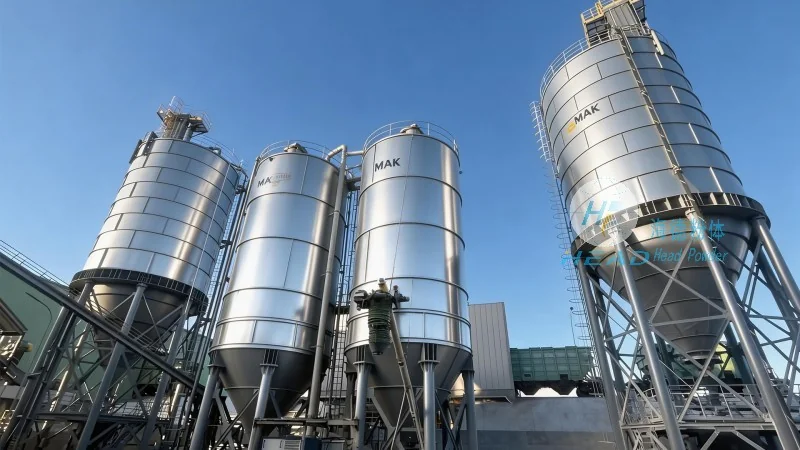
Introduction to Aggregate Conveying Methods
Aggregate conveying involves the movement of bulk materials such as sand, gravel, and crushed stone from one location to another. Several methods are widely used in the industry, each with distinct characteristics and applications. The primary goal of these systems is to transport materials with minimal loss, low maintenance, and high throughput. Understanding the pros and cons of each method is essential for optimizing production processes and reducing operational costs.
1. Belt Conveyors: The Workhorse of Bulk Material Handling
Belt conveyors are among the most common and versatile equipment used for aggregate transportation. They consist of a continuous belt that moves over rollers or pulleys, carrying the material from the loading point to the discharge point. This method is widely favored for its high capacity, long-distance transport capabilities, and ability to handle a wide range of materials, including wet or sticky aggregates. The primary advantages of belt conveyors include high throughput, low energy consumption per tonne, and minimal material degradation during transport. However, they have some drawbacks, such as the need for regular maintenance of the belt and pulleys, potential for material spillage at transfer points, and limited flexibility in layout changes. Belt conveyors are particularly suitable for applications requiring continuous, unidirectional movement over long distances, such as in mining operations or large-scale construction sites.
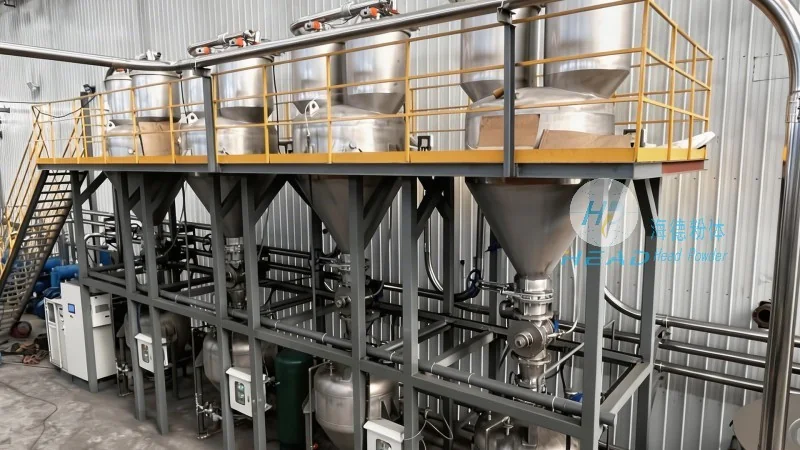
2. Screw Conveyors: Compact and Versatile for Horizontal Transport
Screw conveyors, also known as auger conveyors, use a rotating helical screw to move materials along a trough. This method is ideal for horizontal or slightly inclined transport of dry, free-flowing aggregates. The screw conveyor's design allows for compact installation in confined spaces, making it a popular choice for facilities with limited floor area. The advantages of screw conveyors include their simplicity, low maintenance requirements, and ability to handle materials with varying particle sizes. They are also suitable for vertical lifting applications when configured with a vertical screw. However, screw conveyors have limitations, including lower capacity compared to belt conveyors, potential for material degradation due to friction, and the need for regular cleaning of the trough to prevent clogging. These conveyors are commonly used in smaller-scale operations, such as in concrete mixing plants or small construction sites where material handling is less intensive.
3. Pneumatic Conveying: High-Precision and Flexible Material Transport

Pneumatic conveying systems use air or other gases to transport materials through a pipeline. This method is particularly effective for handling fine powders and granular aggregates, offering high precision and flexibility in material movement. The system consists of a series of pipes, air fans, and control valves that create a pressure differential to move the material. The primary advantages of pneumatic conveying include the ability to transport materials over long distances with minimal loss, the capacity to handle materials with high moisture content, and the flexibility to change the conveying route without major modifications. However, pneumatic systems have significant drawbacks, including higher energy consumption compared to mechanical conveyors, the risk of material degradation due to high air velocities, and the need for specialized equipment to prevent clogging and maintain system efficiency. Pneumatic conveying is often preferred in applications requiring precise control over material flow, such as in pharmaceutical or food processing industries, though it can also be adapted for aggregate transport in certain industrial settings.
4. Chain Conveyors: Robust and Durable for Heavy-Duty Applications
Chain conveyors utilize a series of chains with attached buckets or pans to transport materials. This method is designed for heavy-duty applications where high load capacity and durability are essential. The chains move over sprockets, carrying the material from the loading point to the discharge point. The advantages of chain conveyors include their high load capacity, ability to handle abrasive materials without significant wear, and the reliability of the system in harsh operating conditions. However, they require more maintenance than other types of conveyors, as the chains and sprockets are subject to wear and tear from continuous operation. Chain conveyors are commonly used in mining operations, quarrying, and heavy industrial plants where the material being transported is large, heavy, or highly abrasive.
HeadPowder Engineering: Providing Expert Solutions for Aggregate Conveying
Shandong HeadPowder Engineering Co., Ltd., a leading provider of engineering solutions for bulk material handling, specializes in designing and manufacturing customized aggregate conveying systems. With years of experience in the industry, HeadPowder understands the unique challenges faced by clients in selecting the right conveying method. The company's team of engineers works closely with clients to assess their specific requirements, including material type, transport distance, and operational environment, to recommend the most suitable solution. HeadPowder offers a range of products, including belt conveyors, screw conveyors, and pneumatic systems, tailored to meet the diverse needs of the construction and mining sectors. The company emphasizes quality, reliability, and cost-effectiveness in all its products, ensuring that clients receive equipment that not only meets their current needs but also adapts to future growth. By leveraging advanced technology and innovative design, HeadPowder helps clients optimize their material handling processes, reduce operational costs, and enhance overall productivity. Whether it's a new construction project or an upgrade to existing conveying systems, HeadPowder provides comprehensive support from initial consultation to installation and maintenance, ensuring that clients achieve their operational goals efficiently and safely.

 Shandong Headpowder Engineering Co., Ltd.
 156-6277-7102(Quản lý Trương)
  0531-83386006
  Thành phố Tế Nam, Tỉnh Sơn Đông, Trung Quốc
Điện thoại
WeChatTư vấn
Lên đầu