Chuyên sâu trong lĩnh vực vật liệu rời công nghiệp, cung cấp giải pháp môi trường thông minh tích hợp cho phối trộn tự động, cấp liệu tập trung, khử lưu huỳnh và khử nitơ khô!
Shandong HeadPowder Engineering Co., Ltd. is a professional manufacturer specializing in the design and production of malt processing equipment. The company is located in Shandong, China, and has been dedicated to providing high-quality conveying solutions for the malt industry. This article provides a detailed comparison of common barley malt conveying methods to help clients choose the most suitable solution for their production needs.
Overview of Barley Malt Conveying Solutions
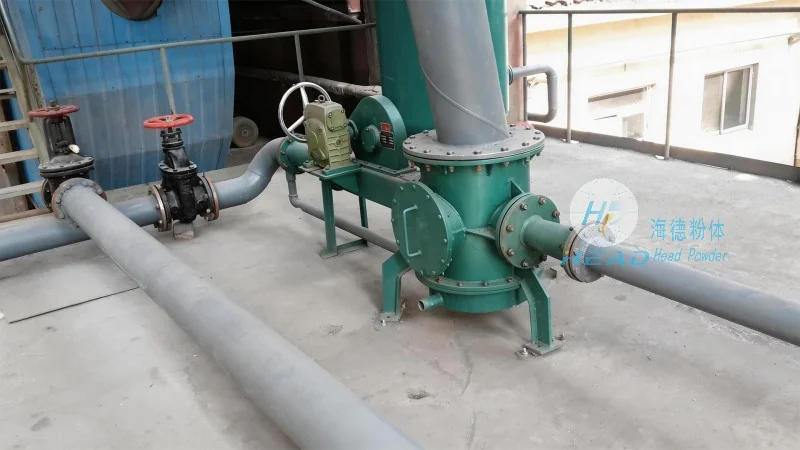
Barley malt conveying is a critical step in the malt production process, ensuring efficient movement of malt from storage to processing equipment. Various methods are employed, each with distinct characteristics and applications. The choice of conveying method depends on factors such as malt type, production scale, and operational requirements.
1. Gravity Conveying Systems
Gravity conveying systems utilize the natural force of gravity to move barley malt along inclined chutes or troughs. This method is simple, low-cost, and requires minimal maintenance. It is particularly suitable for conveying malt over short distances and when the production volume is relatively low. The system typically consists of a hopper, a sloped conveyor, and a discharge point. The smooth operation of gravity conveyors reduces the risk of product damage, making them ideal for delicate malt varieties. However, their efficiency is limited by the need for a suitable slope and the physical constraints of the production layout.
2. Mechanical Conveying Methods

Mechanical conveying systems employ mechanical components like belts, screws, or buckets to transport barley malt. Belt conveyors are widely used for horizontal or slight incline transport, offering high capacity and reliability. Screw conveyors are effective for vertical or inclined transport, providing consistent flow control. Bucket elevators are suitable for vertical lifting, capable of handling large volumes with minimal space requirements. These mechanical systems offer greater flexibility in terms of distance and elevation changes compared to gravity systems. They can be integrated with other processing equipment, enhancing overall production efficiency. However, mechanical conveyors may require more maintenance and energy input, and the risk of product breakage or contamination is higher if not properly designed and operated.
3. Pneumatic Conveying Technology
Pneumatic conveying systems use air or gas to transport barley malt through a pipeline network. This method is highly efficient for long-distance and high-volume transport, as it can move malt without direct physical contact. There are two main types: dilute-phase and dense-phase pneumatic conveyors. Dilute-phase systems use low air velocity to move malt in a dispersed state, suitable for short to medium distances. Dense-phase systems use higher air pressure and lower velocity to form a slurry-like flow, ideal for long-distance transport and preventing product degradation. Pneumatic conveyors offer advantages such as reduced labor costs, minimal space requirements, and the ability to handle abrasive or sticky malt materials. However, they may be less energy-efficient for short distances and require proper air filtration and pressure management to ensure system reliability.
4. Comparison and Selection Criteria
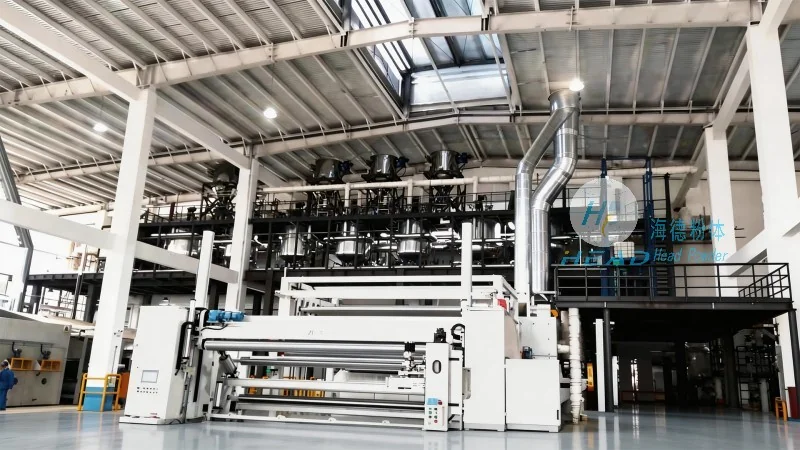
When selecting a barley malt conveying method, several factors must be considered. The first is the distance and elevation changes required. Gravity systems are best for short, low-elevation transport, while mechanical and pneumatic systems are more suitable for longer distances or vertical movement. Second, the production capacity and throughput are critical. Mechanical and pneumatic systems can handle higher volumes compared to gravity conveyors. Third, the malt characteristics, such as moisture content and particle size, influence the choice. For delicate or high-moisture malt, gravity or low-speed mechanical systems may be preferred to avoid damage. Finally, the cost and maintenance considerations play a role. Gravity systems are cost-effective for small-scale operations, whereas mechanical and pneumatic systems may be more expensive but offer higher efficiency for large-scale production.
Conclusion
Shandong HeadPowder Engineering Co., Ltd. provides comprehensive solutions for barley malt conveying, including the design and manufacturing of gravity, mechanical, and pneumatic systems. By understanding the characteristics and applications of each method, clients can make informed decisions to optimize their malt processing operations. The company's expertise in malt processing equipment ensures that the chosen conveying system meets the specific needs of the production line, enhancing overall efficiency and product quality.

 Shandong Headpowder Engineering Co., Ltd.
 156-6277-7102(Quản lý Trương)
  0531-83386006
  Thành phố Tế Nam, Tỉnh Sơn Đông, Trung Quốc
Điện thoại
WeChatTư vấn
Lên đầu