Chuyên sâu trong lĩnh vực vật liệu rời công nghiệp, cung cấp giải pháp môi trường thông minh tích hợp cho phối trộn tự động, cấp liệu tập trung, khử lưu huỳnh và khử nitơ khô!
When it comes to handling dry soybeans in industrial and agricultural settings, selecting the right conveying method is crucial for efficiency, cost-effectiveness, and product integrity. Various technologies are available, each with distinct advantages and limitations. This article provides a detailed comparison of common dry soybean conveying methods, focusing on their operational principles, key benefits, and typical applications. The information is presented by Shandong HeadPowder Engineering Co., Ltd., a leading provider of bulk material handling solutions based in China.
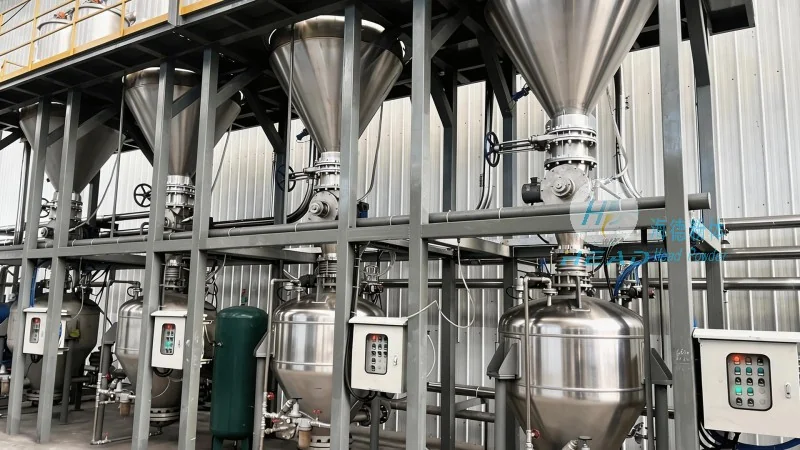
Introduction to Dry Soybean Conveying
Dry soybean conveying involves the movement of soybeans from one location to another within processing facilities, storage systems, or transportation networks. The choice of conveying method depends on factors such as the volume of soybeans, the distance to be covered, the required speed, and the need to maintain product quality. Common methods include gravity, mechanical, and pneumatic systems, each tailored to specific operational requirements.
1. Gravity Conveying Systems
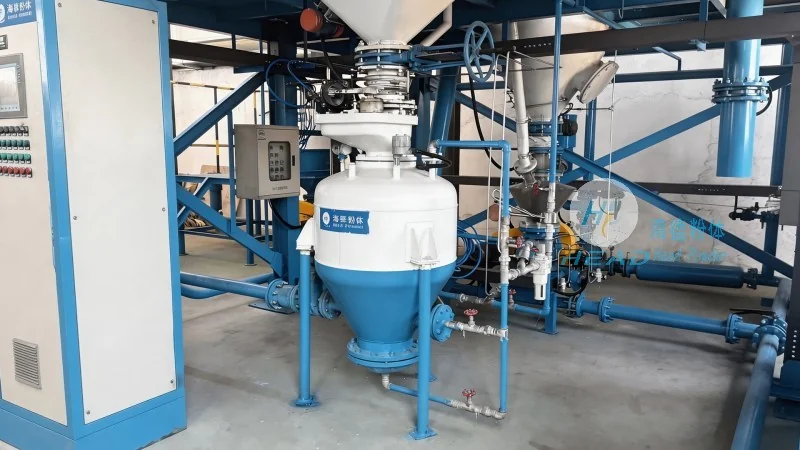
Gravity conveying relies on the natural force of gravity to move dry soybeans along inclined chutes or channels. This method is simple, low-cost, and energy-efficient, making it suitable for short distances and moderate throughput. The primary components include a sloped conveyor belt or a troughed channel, which allows soybeans to slide downward without the need for external power. However, gravity systems are limited by the angle of inclination and the distance they can effectively cover, typically ranging from a few meters to around 30 meters. They are ideal for applications where the layout of the facility allows for natural slope, such as in storage silos or feed mills.
2. Mechanical Conveying Systems
Mechanical conveying uses mechanical components like belts, screws, or chains to transport dry soybeans. The most common types are belt conveyors and screw conveyors. Belt conveyors consist of a continuous loop of rubber or fabric belt supported by rollers, which moves soybeans horizontally or at a slight incline. They are highly versatile, capable of handling large volumes and long distances, and can be equipped with accessories like elevators or transfer points. Screw conveyors, also known as augers, use a rotating helical screw to push soybeans forward through a cylindrical tube. This method is particularly effective for vertical or inclined transport, as the screw can lift and move material vertically. Mechanical systems offer high reliability and are easy to maintain, but they may generate more noise and require regular lubrication. They are widely used in soybean processing plants for transporting raw beans from storage to processing equipment.
3. Pneumatic Conveying Systems

Pneumatic conveying uses air or other gases to transport dry soybeans through a pipeline system. This method is highly flexible, allowing for both horizontal and vertical transport over long distances, often exceeding 100 meters. There are two main types: pressure and vacuum systems. Pressure systems use compressed air to push soybeans through the pipeline, while vacuum systems use a vacuum to draw them in. Pneumatic conveyors are ideal for applications requiring dust control, as the enclosed pipeline prevents dust from escaping. However, they are more complex and require higher energy consumption compared to gravity or mechanical systems. The cost of compressed air and the potential for material degradation due to friction and air flow must be considered. Pneumatic systems are commonly used in soybean processing for transporting beans from storage silos to processing lines or for transferring finished products.
Comparative Analysis and Selection Criteria
When choosing a dry soybean conveying method, several factors must be evaluated. The first is the distance and layout of the facility. For short distances and simple layouts, gravity systems are often the most economical choice. For longer distances or complex layouts, mechanical or pneumatic systems may be necessary. The second factor is the volume and consistency of the soybeans. High-volume, uniform beans may benefit from belt conveyors, while screw conveyors are better suited for smaller volumes or when vertical transport is required. The third factor is the need for product protection. If soybeans are sensitive to moisture or contamination, pneumatic systems with enclosed pipelines offer better protection. Finally, operational costs, including energy consumption, maintenance, and initial investment, play a critical role in the decision-making process.
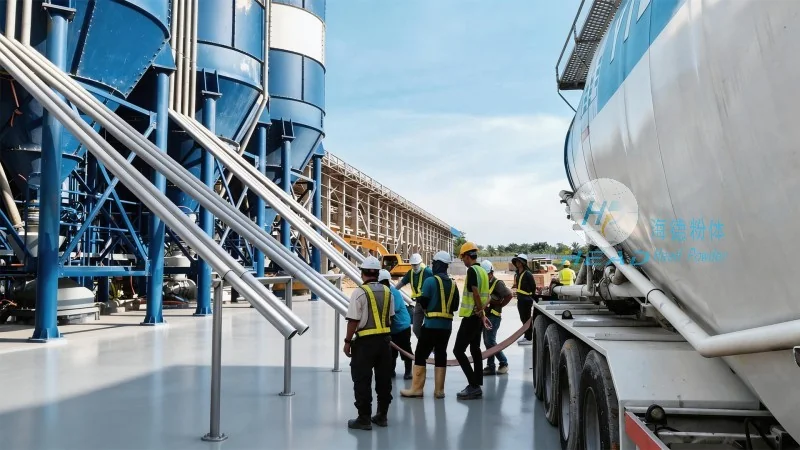
Shandong HeadPowder Engineering Co., Ltd.: Expertise in Dry Soybean Conveying Solutions
Shandong HeadPowder Engineering Co., Ltd. specializes in designing and manufacturing customized dry soybean conveying systems tailored to the specific needs of clients. With years of experience in the bulk material handling industry, the company provides comprehensive solutions that integrate the most suitable conveying method based on the client's operational requirements. The company's team of engineers conducts thorough assessments of the client's facility, processing volume, and layout to recommend the optimal system. Whether it's a gravity chute for a small storage facility or a complex pneumatic system for a large-scale processing plant, Shandong HeadPowder delivers reliable and efficient conveying solutions. The company's commitment to quality and customer satisfaction ensures that clients receive systems that not only meet their current needs but also adapt to future growth. Based in Shandong, China, Shandong HeadPowder Engineering Co., Ltd. serves clients globally, providing technical support and after-sales service to ensure the long-term performance of their conveying systems.

 Shandong Headpowder Engineering Co., Ltd.
 156-6277-7102(Quản lý Trương)
  0531-83386006
  Thành phố Tế Nam, Tỉnh Sơn Đông, Trung Quốc
Điện thoại
WeChatTư vấn
Lên đầu