Chuyên sâu trong lĩnh vực vật liệu rời công nghiệp, cung cấp giải pháp môi trường thông minh tích hợp cho phối trộn tự động, cấp liệu tập trung, khử lưu huỳnh và khử nitơ khô!
When it comes to the transportation of sodium nitrate, selecting the right method is crucial for ensuring efficiency, safety, and cost-effectiveness. Sodium nitrate, a vital chemical used in various industries such as agriculture, food processing, and industrial applications, requires reliable transport solutions to meet the demands of different clients and operational needs. This article provides a detailed comparison of the most common sodium nitrate transport methods, helping stakeholders make informed decisions based on their specific requirements.
1. Pipeline Transportation: The Preferred Choice for Large-Scale Operations
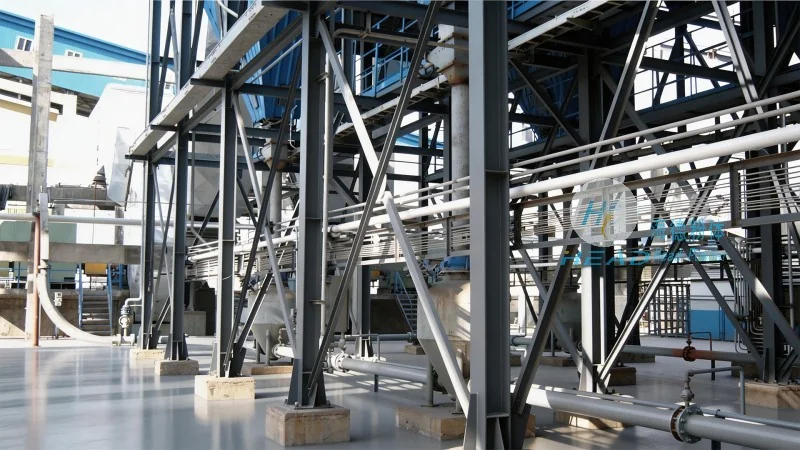
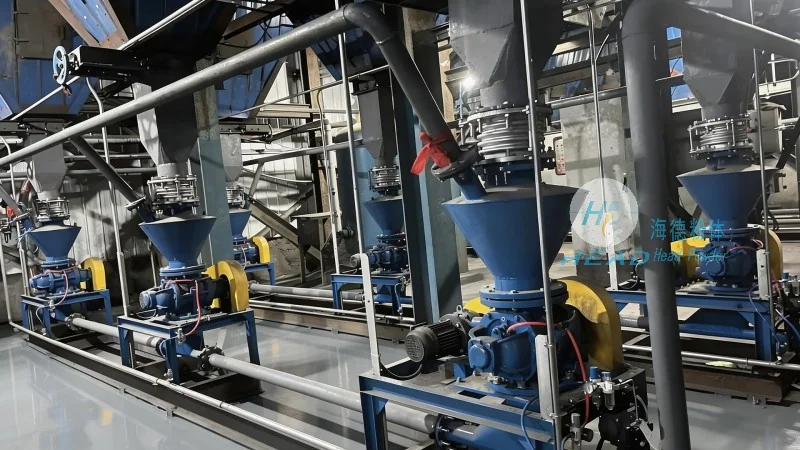
Pipeline transportation stands out as a highly efficient and continuous method for moving sodium nitrate, especially for large-scale industrial applications. This approach involves pumping the chemical through a network of pipelines, which can span long distances with minimal human intervention. The primary advantages of pipeline transport include its ability to maintain a consistent flow rate, reduce the risk of spills or accidents compared to other methods, and lower labor costs over time. For companies dealing with high volumes of sodium nitrate, this method offers significant operational benefits, including reduced handling time and enhanced safety protocols. However, it is important to note that pipeline infrastructure requires substantial initial investment and may not be feasible for smaller operations or those with limited access to existing pipeline networks.
2. Tank Truck Transportation: Flexibility and Versatility for Medium to Short Distances

Tank truck transportation is a widely adopted method for moving sodium nitrate over medium to short distances. This approach utilizes specialized tank trucks equipped with secure containment systems to transport the chemical safely. The flexibility of tank truck transport allows for on-demand delivery, making it suitable for businesses that require frequent or irregular shipments. Key benefits include the ability to reach remote locations, adapt to varying delivery schedules, and handle smaller quantities compared to pipeline systems. While tank truck transport offers greater flexibility, it also comes with higher operational costs, including fuel expenses, driver salaries, and maintenance of the vehicles. Additionally, there are regulatory considerations regarding the handling and transportation of hazardous materials, which must be strictly adhered to ensure compliance and safety.
3. Bagged Transportation: Ideal for Small-Scale or Terminal Applications
For smaller-scale operations or end-users who require sodium nitrate in manageable quantities, bagged transportation is a practical and common method. This approach involves packaging sodium nitrate in durable bags, typically made of materials like polyethylene or woven fabric, which are then loaded onto trucks or other transport vehicles. The primary advantage of bagged transport is its suitability for retail or small industrial applications where bulk storage is not feasible. It allows for easy handling, storage, and distribution, making it convenient for customers who need to use the chemical in smaller batches. However, bagged transportation may not be as efficient for large-scale operations due to the time and labor required for loading and unloading, and it may also present higher risks of dust exposure or spillage compared to enclosed systems. This method is often preferred when the volume of sodium nitrate is low or when the destination is a terminal where further processing or distribution occurs.

4. Comparative Analysis: Choosing the Right Transport Method
When deciding on the most appropriate sodium nitrate transport method, several factors must be considered, including the volume of the shipment, the distance to be covered, the frequency of deliveries, and the specific needs of the end-user. Pipeline transportation excels in large-scale, continuous operations but requires significant infrastructure investment. Tank truck transport offers flexibility and is ideal for medium distances, though it incurs higher operational costs. Bagged transportation is best suited for small-scale or terminal applications, providing convenience for smaller quantities. Ultimately, the choice depends on balancing efficiency, cost, and safety. For companies like Shandong HeadPowder Engineering Co., Ltd., based in China, understanding these transport options allows them to tailor their services to meet the diverse needs of their clients, ensuring reliable and safe delivery of sodium nitrate across various industries.

 Shandong Headpowder Engineering Co., Ltd.
 156-6277-7102(Quản lý Trương)
  0531-83386006
  Thành phố Tế Nam, Tỉnh Sơn Đông, Trung Quốc
Điện thoại
WeChatTư vấn
Lên đầu