Chuyên sâu trong lĩnh vực vật liệu rời công nghiệp, cung cấp giải pháp môi trường thông minh tích hợp cho phối trộn tự động, cấp liệu tập trung, khử lưu huỳnh và khử nitơ khô!
When it comes to handling boron nitride (BN), selecting the right conveying method is crucial for ensuring efficiency, safety, and product integrity. As a leading provider in the field, Shandong HeadPowder Engineering Co., Ltd. offers insights into the most common methods used for boron nitride transportation, helping clients make informed decisions tailored to their specific operational needs.

Understanding Boron Nitride and Conveying Challenges
Boron nitride is a versatile ceramic material prized for its thermal stability, electrical insulation properties, and lubricity. However, its fine powder form presents unique challenges during handling, such as dust generation, static charge buildup, and the need for controlled movement to prevent agglomeration. Effective conveying systems must address these challenges while maintaining product purity and minimizing operational risks. At HeadPowder, we specialize in designing and implementing solutions that optimize boron nitride handling processes.
Common Boron Nitride Conveying Methods: An Overview
Several methods are widely used for transporting boron nitride, each with distinct advantages and applications. The choice of method depends on factors like material characteristics, production scale, environmental regulations, and the desired level of automation. Below is a detailed comparison of the most prevalent approaches.
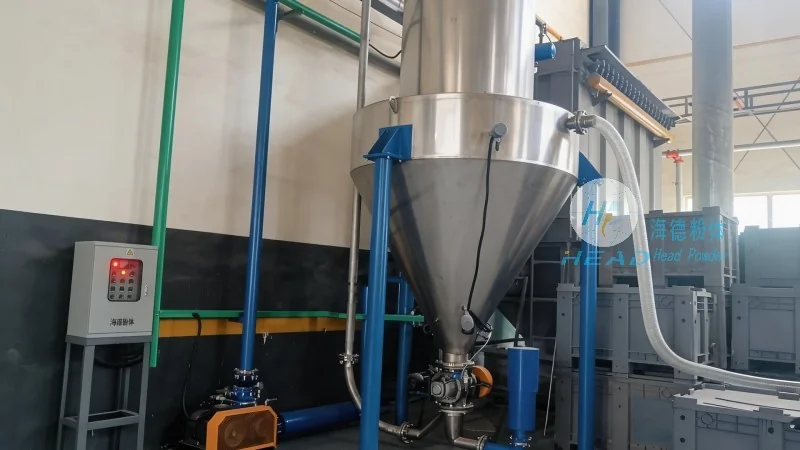
Pneumatic Conveying: The Air-Driven Solution
Pneumatic conveying is a popular choice for boron nitride due to its ability to transport fine powders over moderate distances without the need for mechanical components in the conveying line. This method uses compressed air to create a flow that moves the powder through a pipeline. There are two main types: pressure and vacuum systems. Pressure systems are ideal for short to medium distances and can handle higher material loads, while vacuum systems are better suited for longer distances or when material needs to be drawn from multiple sources. Pneumatic conveying offers advantages such as low maintenance, flexibility in layout, and the ability to integrate with existing air systems. However, it may require higher air pressure, leading to increased energy consumption and potential for dust leakage if not properly sealed.
Screw Conveyors: The Mechanical Powerhouse
Screw conveyors, also known as auger conveyors, are widely used in industrial applications for their simplicity and reliability. These systems consist of a rotating screw (auger) inside a trough that moves material along a fixed path. For boron nitride, screw conveyors are effective for horizontal or slightly inclined transport, especially in applications where the material needs to be elevated or transferred between different levels. They are particularly suitable for moderate to high material volumes and can handle a wide range of particle sizes. Screw conveyors offer advantages like low cost, minimal space requirements, and the ability to operate in a closed system to contain dust. However, they may experience issues with material buildup on the screw surface, leading to reduced efficiency over time, and are less effective for very fine powders that tend to clog the screw.
Vibrating Conveyors: The Gentle Transport Option
Vibrating conveyors use mechanical vibrations to move boron nitride along a trough. This method is gentle on the material, reducing the risk of particle breakage or agglomeration. It is particularly suitable for handling sensitive or cohesive powders, as the vibrations help maintain particle separation. Vibrating conveyors are effective for both horizontal and inclined transport and can handle a wide range of material types, including those with high moisture content or sticky properties. They offer advantages such as low maintenance, minimal power consumption, and the ability to operate in a closed system. However, they may have limited capacity compared to other methods and can be sensitive to material variations, requiring adjustments to the vibration frequency or amplitude.
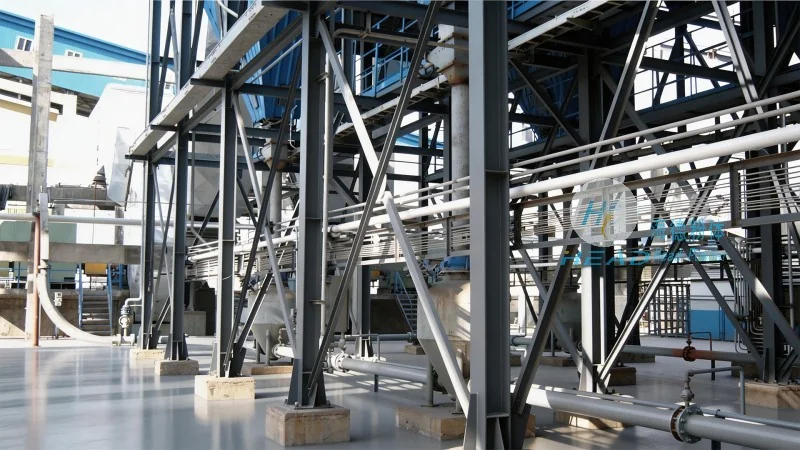
Belt Conveyors: The High-Capacity Solution
Belt conveyors are commonly used in bulk material handling for their high capacity and ability to transport materials over long distances. For boron nitride, belt conveyors are ideal for applications requiring large volumes of material, such as in production lines or storage facilities. These systems consist of a continuous belt that moves over rollers or idlers, with the material placed on the belt and carried along. Belt conveyors offer advantages like high throughput, durability, and the ability to integrate with other equipment like feeders or sorters. However, they require more space and maintenance compared to other methods, and may not be suitable for very fine powders that can cause belt wear or clogging.
Choosing the Right Conveying Method for Your Boron Nitride Application
When selecting a boron nitride conveying method, it is essential to consider several factors to ensure optimal performance and cost-effectiveness. First, evaluate the material characteristics, such as particle size, moisture content, and cohesive properties, as these directly impact the choice of equipment. Second, assess the operational requirements, including the required capacity, distance of transport, and environmental constraints. Third, consider the cost implications, including initial investment, energy consumption, and maintenance needs. At Shandong HeadPowder Engineering Co., Ltd., our team of experts can provide tailored recommendations based on your specific needs, helping you choose the most suitable conveying method for your boron nitride handling process.
Conclusion: Optimizing Boron Nitride Conveying with HeadPowder
Efficient boron nitride conveying is critical to maintaining product quality and operational efficiency in various industries. By understanding the different conveying methods and their applications, businesses can select the most appropriate solution for their needs. Shandong HeadPowder Engineering Co., Ltd. is committed to providing high-quality boron nitride products and conveying solutions that meet the highest standards of performance and reliability. Whether you need pneumatic, screw, vibrating, or belt conveyors, our expertise ensures that your boron nitride handling process is optimized for success.

 Shandong Headpowder Engineering Co., Ltd.
 156-6277-7102(Quản lý Trương)
  0531-83386006
  Thành phố Tế Nam, Tỉnh Sơn Đông, Trung Quốc
Điện thoại
WeChatTư vấn
Lên đầu