Chuyên sâu trong lĩnh vực vật liệu rời công nghiệp, cung cấp giải pháp môi trường thông minh tích hợp cho phối trộn tự động, cấp liệu tập trung, khử lưu huỳnh và khử nitơ khô!
When it comes to transporting silica sand, selecting the right conveying method is crucial for efficiency, cost-effectiveness, and operational safety. Silica sand, a key raw material in various industries such as glass manufacturing, foundries, and construction, requires reliable and efficient transport solutions to meet production demands. This article provides a detailed comparison of common silica sand conveying methods, highlighting their advantages, limitations, and suitability for different applications. The information is presented by Shandong HeadPowder Engineering Co., Ltd., a leading provider of industrial conveying solutions based in China.

Understanding Silica Sand and Conveying Needs
Silica sand, composed primarily of silicon dioxide (SiO₂), is widely used in the production of glass, ceramics, and as a refractory material. Its properties, including particle size, density, and moisture content, significantly impact the choice of conveying system. The goal of any conveying method is to move silica sand from its source to processing or storage locations with minimal loss, contamination, and energy consumption. Shandong HeadPowder Engineering Co., Ltd. specializes in designing and manufacturing customized conveying systems tailored to the specific characteristics of silica sand and the operational requirements of their clients.
1. Screw Conveyors (Auger Conveyors)
Screw conveyors, also known as auger conveyors, are among the most common and versatile methods for transporting silica sand. These systems consist of a rotating helical screw inside a U-shaped or tubular housing. As the screw rotates, it pushes the material forward, making screw conveyors ideal for horizontal or slightly inclined transport. One of the key advantages of screw conveyors is their ability to handle a wide range of particle sizes, from fine powders to larger granules, without the need for additional equipment. They are also relatively low-cost to install and maintain, making them a popular choice for small to medium-scale operations. However, screw conveyors may experience issues with material buildup, especially with sticky or wet silica sand, and can be less efficient for long-distance transport compared to other methods. Shandong HeadPowder Engineering Co., Ltd. offers customized screw conveyor designs that optimize performance for silica sand, including features like variable speed drives and wear-resistant liners to enhance durability and efficiency.
2. Belt Conveyors
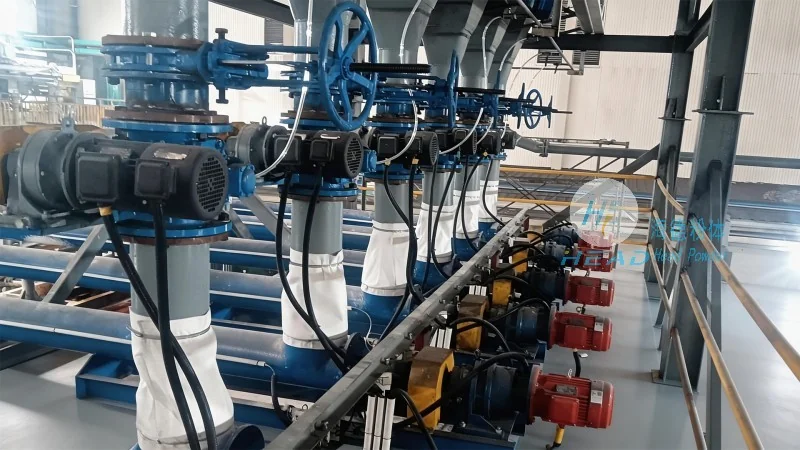
Belt conveyors are another widely used method for transporting silica sand, particularly in applications requiring long-distance or bulk material handling. These systems use a continuous belt looped over rollers to move the material from one point to another. Belt conveyors are highly efficient for horizontal and slightly inclined transport, with the ability to handle large volumes of silica sand at high speeds. They are also suitable for transporting materials over long distances, making them ideal for industrial plants with extensive layouts. A significant advantage of belt conveyors is their ability to handle abrasive materials like silica sand without significant wear, as the belt and rollers are designed to withstand the abrasive nature of the material. However, belt conveyors require more space and maintenance compared to other methods, as the belt and rollers need regular inspection and replacement. Shandong HeadPowder Engineering Co., Ltd. provides heavy-duty belt conveyor systems specifically engineered for silica sand, incorporating high-quality belts and rollers to ensure long service life and reliable operation.
3. Pneumatic Conveying Systems
Pneumatic conveying systems use air or other gases to transport silica sand in a closed pipeline system. These systems can be categorized into two main types: pressure and vacuum. Pressure systems use compressed air to push the material forward, while vacuum systems use suction to draw the material into the pipeline. Pneumatic conveying offers several advantages, including the ability to transport silica sand vertically or over long distances with minimal space requirements. It is also suitable for handling fine powders and preventing contamination from external sources. However, pneumatic systems require higher energy consumption compared to mechanical systems like screw or belt conveyors, and can be more complex to install and maintain. Additionally, they may experience issues with material segregation or blockages if the silica sand is too dry or has high moisture content. Shandong HeadPowder Engineering Co., Ltd. specializes in designing pneumatic conveying systems tailored to the specific needs of silica sand, including features like adjustable air pressure control and anti-clogging mechanisms to ensure smooth and efficient operation.
4. Bucket Elevators
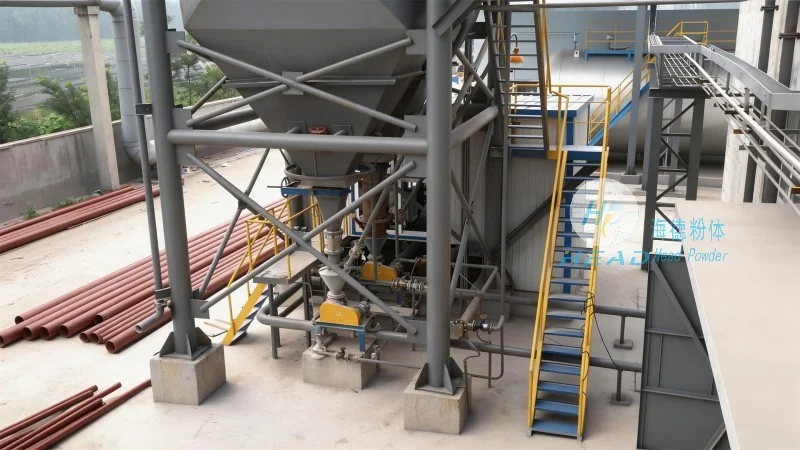
Bucket elevators are vertical conveying systems that use a continuous chain with attached buckets to transport silica sand from a lower to a higher level. These systems are highly efficient for vertical transport and are commonly used in applications where space is limited or where the material needs to be lifted to a significant height. Bucket elevators are capable of handling a wide range of particle sizes and can transport silica sand at high speeds, making them suitable for high-volume operations. A key advantage of bucket elevators is their ability to transport materials vertically without the need for additional equipment, reducing the overall footprint of the system. However, bucket elevators require regular maintenance to ensure the buckets and chain are in good condition, and they may experience issues with material spillage if not properly designed. Shandong HeadPowder Engineering Co., Ltd. offers customized bucket elevator systems designed for silica sand, incorporating durable buckets and chains to withstand the abrasive nature of the material and ensure reliable vertical transport.
5. Hydraulic Conveyors
Hydraulic conveyors use water or other liquids to transport silica sand in a closed pipeline system. These systems are typically used for wet or slurry applications, where the silica sand is mixed with water to form a slurry that can be pumped through the pipeline. Hydraulic conveyors are highly efficient for transporting large volumes of material over long distances, particularly in mining or construction applications. They are also suitable for handling abrasive materials like silica sand, as the liquid acts as a lubricant and protects the pipeline from wear. However, hydraulic systems require significant water usage and may be less suitable for dry silica sand applications. Additionally, they need regular maintenance to prevent clogging and ensure the proper functioning of the pump and pipeline. Shandong HeadPowder Engineering Co., Ltd. provides hydraulic conveying solutions tailored to the specific needs of silica sand, including features like adjustable pump pressure and anti-clogging filters to ensure efficient and reliable operation.
Choosing the Right Conveying Method for Silica Sand
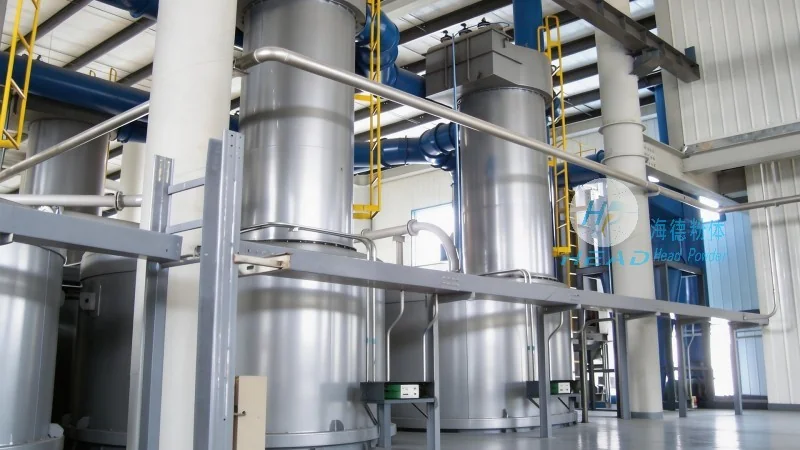
When selecting a conveying method for silica sand, several factors need to be considered, including the material's properties, the distance and height of transport, the required capacity, and the available space. Shandong HeadPowder Engineering Co., Ltd. recommends conducting a thorough analysis of these factors to determine the most suitable conveying system. For example, screw conveyors are ideal for short-distance horizontal transport of medium to large silica sand particles, while belt conveyors are better suited for long-distance bulk transport. Pneumatic systems are preferred for vertical or long-distance transport of fine powders, and bucket elevators are suitable for vertical lifting. By carefully evaluating these factors, businesses can choose a conveying method that maximizes efficiency, reduces costs, and ensures the safe and reliable transport of silica sand.
Conclusion
Choosing the right silica sand conveying method is essential for optimizing production efficiency and minimizing operational costs. Shandong HeadPowder Engineering Co., Ltd. offers a range of customized conveying solutions tailored to the specific needs of silica sand, including screw conveyors, belt conveyors, pneumatic systems, bucket elevators, and hydraulic conveyors. By understanding the advantages and limitations of each method, businesses can select the most suitable system for their operations. Whether it's short-distance horizontal transport or long-distance vertical lifting, Shandong HeadPowder Engineering Co., Ltd. provides reliable and efficient conveying solutions that meet the demands of the silica sand industry.

 Shandong Headpowder Engineering Co., Ltd.
 156-6277-7102(Quản lý Trương)
  0531-83386006
  Thành phố Tế Nam, Tỉnh Sơn Đông, Trung Quốc
Điện thoại
WeChatTư vấn
Lên đầu