

Comparison of Common Rare Earth Material Transport Methods
When handling rare earth materials, selecting the right transport method is crucial for ensuring efficiency, safety, and cost-effectiveness in industrial operations. Shandong HeadPowder Engineering Co., Ltd., a leading provider in the field, offers a range of specialized solutions tailored to the unique properties of rare earth compounds. This article provides a detailed comparison of common rare earth material transport methods, helping industrial clients make informed decisions based on their specific operational needs.

Overview of Rare Earth Material Transport
Rare earth materials, including oxides, metals, and compounds, are widely used in high-tech industries such as electronics, aerospace, and renewable energy. The physical and chemical characteristics of these materials—such as their fine particle size, hygroscopic nature, and potential for dust generation—require specialized transport systems to maintain quality and prevent contamination. Effective transport solutions must balance factors like material flow rate, distance, environmental impact, and equipment durability. HeadPowder, with its expertise in material handling, addresses these challenges through innovative designs that adapt to the unique demands of rare earth processing.
1. Pipeline Transport (Bulk Pipeline)
Pipeline transport is a widely adopted method for moving large volumes of rare earth materials over long distances. This system involves transporting materials in a closed pipeline under pressure, typically using slurry or dry powder forms. The process begins with material preparation, where rare earth powders are mixed with a carrier liquid (like water or a specialized fluid) to create a slurry. The slurry is then pumped through pipelines equipped with specialized valves, pumps, and control systems to ensure consistent flow. HeadPowder’s bulk pipeline systems are designed with high-pressure pumps and robust pipeline networks, capable of handling high-viscosity slurries and maintaining material integrity. This method is particularly suitable for continuous production lines where a steady supply of rare earth materials is required, such as in rare earth oxide production facilities.
2. Bin-to-Hopper Transport (Bin Discharge)
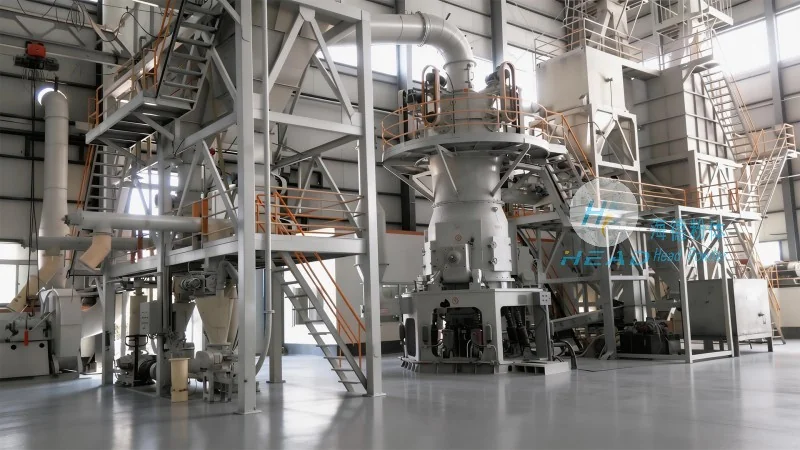
Bin-to-hopper transport is a common method for transferring rare earth materials from storage bins to processing hoppers or conveyors. This system typically involves a hopper located below the storage bin, with a discharge mechanism (such as a rotary valve or gate) that regulates the flow of material. The process starts with material being stored in a large storage bin, which is often equipped with a dust suppression system to control airborne particles. When material is needed for processing, the discharge mechanism opens, allowing the material to flow into the hopper below. HeadPowder’s bin-to-hopper systems are designed with heavy-duty components to handle the abrasive nature of rare earth powders, ensuring long service life and minimal maintenance. This method is ideal for facilities with multiple storage bins and varying production schedules, as it allows for flexible material release and reduces the risk of material buildup in the storage area.
3. Pneumatic Conveying (Air-Driven Transport)
3.1 Positive Pressure Conveying
Positive pressure pneumatic conveying uses a blower or compressor to generate air pressure that propels rare earth materials through a pipeline. The system consists of a material feeder, a pressure vessel, and a pipeline network. The material is fed into the system, mixed with air, and then transported to the destination. HeadPowder’s positive pressure systems are equipped with high-efficiency blowers and specialized material feeders that minimize material degradation and ensure consistent flow rates. This method is particularly effective for transporting fine rare earth powders over moderate distances, as it reduces the risk of clogging and maintains material quality. Positive pressure conveying is commonly used in applications where dust control is critical, such as in rare earth metal production or powder coating processes.
3.2 Negative Pressure Conveying
Negative pressure pneumatic conveying operates by creating a vacuum in the pipeline, which draws rare earth materials from the source to the destination. The system includes a vacuum pump, a material collection hopper, and a pipeline network. The material is drawn into the pipeline using the vacuum, and the air flow carries the material to the processing area. HeadPowder’s negative pressure systems are designed with high-capacity vacuum pumps and efficient material collection hoppers, capable of handling large volumes of material while maintaining low energy consumption. This method is ideal for applications where the source of material is at a higher elevation than the destination, as it reduces the need for additional lifting equipment. Negative pressure conveying is commonly used in rare earth oxide processing facilities where material is collected from multiple points and transported to a central processing unit.
4. Screw Conveyors (Mechanical Transport)

Screw conveyors are mechanical transport systems that use a rotating screw (auger) to move rare earth materials through a tube or trough. The system consists of a screw, a housing, and a drive mechanism. The material is fed into the inlet of the conveyor, and the rotating screw pushes it forward to the outlet. HeadPowder’s screw conveyor systems are constructed with stainless steel or other corrosion-resistant materials to handle the acidic or alkaline nature of some rare earth compounds. The design includes a sealed housing to prevent dust leakage and a variable speed drive to adjust the flow rate based on production needs. Screw conveyors are suitable for horizontal or slight incline transport of rare earth materials, making them ideal for use in processing lines where material needs to be moved from one stage to another without significant elevation changes. This method is particularly effective for handling bulk quantities of rare earth powders and reduces the risk of material segregation.
5. Bucket Elevators (Vertical Transport)
Bucket elevators are vertical transport systems that use a series of buckets attached to a belt or chain to lift rare earth materials from a lower level to a higher level. The system consists of a hopper, a drive mechanism, and a vertical housing. The material is fed into the hopper, and the buckets pick up the material as the conveyor moves upward. HeadPowder’s bucket elevator systems are designed with heavy-duty buckets and a robust drive system to handle the weight and abrasiveness of rare earth materials. The vertical housing is equipped with safety features, such as emergency stop buttons and dust collection systems, to ensure safe operation. Bucket elevators are essential for transporting rare earth materials vertically, such as from a storage bin to a processing hopper or from a grinding mill to a storage silo. This method is particularly useful in facilities with limited horizontal space, as it allows for vertical movement without occupying additional floor area.
6. Comparison and Selection Criteria
When selecting a rare earth material transport method, several factors must be considered to ensure the best fit for the application. These include the volume and particle size of the material, the distance between the source and destination, the required flow rate, and the environmental regulations in the operating area. HeadPowder provides comprehensive consultation services to help clients evaluate these factors and choose the most suitable transport solution. For example, pipeline transport is ideal for long-distance, high-volume transport, while pneumatic conveying is better suited for moderate distances and fine powders. Bin-to-hopper systems are suitable for facilities with multiple storage points, and screw conveyors are effective for horizontal transport of bulk materials. By understanding the unique characteristics of each transport method, industrial clients can optimize their material handling processes and improve overall operational efficiency.
Conclusion
Effective transport of rare earth materials is a critical component of industrial operations, and the choice of transport method directly impacts productivity, safety, and cost. Shandong HeadPowder Engineering Co., Ltd. offers a range of specialized transport solutions, including pipeline, bin-to-hopper, pneumatic conveying, screw conveyors, and bucket elevators, tailored to the specific needs of rare earth processing facilities. By leveraging HeadPowder’s expertise and innovative designs, clients can ensure reliable and efficient material transport, supporting their production goals and maintaining compliance with industry standards. Whether handling rare earth oxides, metals, or compounds, HeadPowder provides the necessary equipment and support to optimize material handling processes and enhance overall operational performance.