Chuyên sâu trong lĩnh vực vật liệu rời công nghiệp, cung cấp giải pháp môi trường thông minh tích hợp cho phối trộn tự động, cấp liệu tập trung, khử lưu huỳnh và khử nitơ khô!
In the pharmaceutical industry, the efficient and reliable delivery of powdered medicines is crucial for maintaining product quality and ensuring consistent manufacturing processes. Different powder delivery methods are employed based on the specific characteristics of the medication, production scale, and operational requirements. This article provides a detailed comparison of common powder delivery methods, highlighting their advantages, limitations, and typical applications.
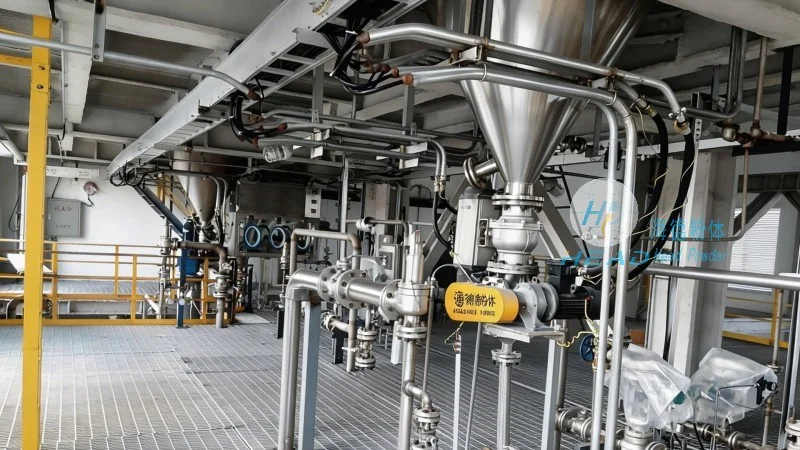
Pneumatic Conveying Systems: The Traditional Approach to Powder Transport
Pneumatic conveying is a widely used method for transporting powdered medicines, particularly in bulk production environments. This system utilizes compressed air or other gases to move powders through a pipeline network. There are two main types: pressure and vacuum systems. Pressure systems push powders forward using high-pressure air, while vacuum systems draw powders into the system using a vacuum pump. The choice between these depends on factors such as the distance to be covered and the powder's properties, including its density and flowability.
The advantages of pneumatic conveying include high transport efficiency, the ability to handle large volumes of powder, and the option to integrate with other processing equipment. However, it may require significant energy input and can be susceptible to particle degradation if the system is not properly designed or maintained. For example, HeadPowder Engineering specializes in designing pneumatic conveying systems tailored to the specific needs of pharmaceutical manufacturers, ensuring optimal performance and compliance with regulatory standards.
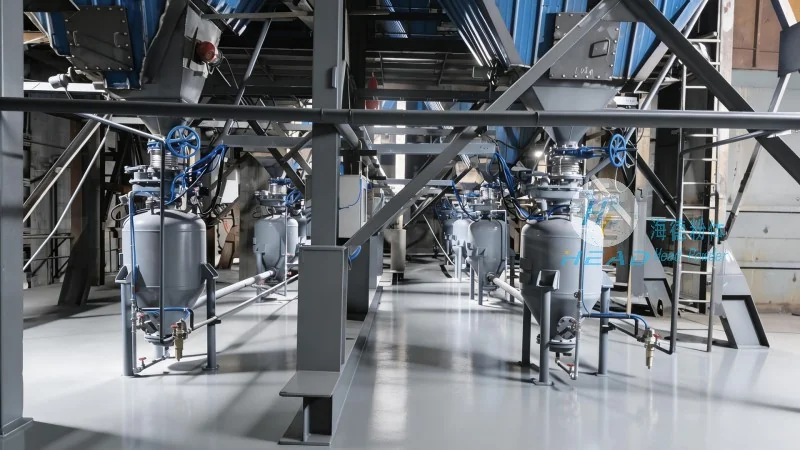
Mechanical Conveying Systems: Precision and Control in Powder Handling
Mechanical conveying methods, such as screw conveyors and belt conveyors, offer precise control over powder flow and are often preferred for applications requiring high accuracy. Screw conveyors use rotating screws to move powders along a trough, while belt conveyors rely on a moving belt to transport material. These systems are suitable for handling powders with varying moisture content and can be easily integrated into existing production lines.
Mechanical conveyors provide consistent and reliable performance, making them ideal for processes where product contamination or loss must be minimized. However, they may have limitations in terms of the maximum distance they can effectively transport powders and may require regular maintenance to prevent wear and tear. HeadPowder Engineering offers customized mechanical conveyor solutions that enhance operational efficiency and ensure product integrity throughout the manufacturing process.

Gravity Conveying Systems: Simple and Cost-Effective Solutions
Gravity conveying systems utilize the natural force of gravity to move powders from a higher to a lower level. This method is often used for short-distance transport within a facility, such as from a storage silo to a processing unit. It is a simple and cost-effective option, requiring minimal energy input and maintenance.
The primary advantage of gravity conveying is its low operational cost and simplicity. However, it is limited by the need for a suitable elevation difference and may not be suitable for long-distance or complex routing requirements. HeadPowder Engineering provides gravity conveyor systems that are designed to maximize efficiency while maintaining compliance with industry standards.
Comparison and Selection Criteria

When selecting a powder delivery method, several factors must be considered, including the powder's physical properties (e.g., particle size, density, and flowability), the required transport distance, the production volume, and regulatory requirements. Pneumatic conveying is often chosen for high-volume, long-distance transport, while mechanical conveyors are preferred for precision and control in smaller-scale operations. Gravity systems are ideal for short-distance, low-volume applications.
HeadPowder Engineering Co., Ltd., based in Shandong, China, is a leading manufacturer specializing in the design and production of powder handling equipment. The company's expertise in customizing delivery systems ensures that pharmaceutical manufacturers can select the most appropriate method for their specific needs, balancing efficiency, cost, and compliance.
Conclusion
Choosing the right powder delivery method is critical for the success of pharmaceutical manufacturing processes. By understanding the characteristics of different systems and considering operational requirements, companies can optimize their production lines and ensure product quality. HeadPowder Engineering Co., Ltd. offers comprehensive solutions tailored to the unique challenges of the pharmaceutical industry, supporting manufacturers in achieving efficient and reliable powder transport.

 Shandong Headpowder Engineering Co., Ltd.
 156-6277-7102(Quản lý Trương)
  0531-83386006
  Thành phố Tế Nam, Tỉnh Sơn Đông, Trung Quốc
Điện thoại
WeChatTư vấn
Lên đầu