Chuyên sâu trong lĩnh vực vật liệu rời công nghiệp, cung cấp giải pháp môi trường thông minh tích hợp cho phối trộn tự động, cấp liệu tập trung, khử lưu huỳnh và khử nitơ khô!
When it comes to handling stone aggregates in construction and industrial applications, selecting the right conveying method is crucial for efficiency, cost-effectiveness, and operational safety. Various technologies are available, each with distinct advantages and limitations. This article provides a detailed comparison of common stone aggregate conveying methods, helping you make an informed decision based on your specific operational needs.
Introduction to Stone Aggregate Conveying Methods
Stone aggregates, such as gravel, sand, and crushed rock, are fundamental materials in construction, road building, and manufacturing processes. Efficiently transporting these materials from storage to processing or end-use locations is essential to maintain productivity and minimize downtime. Conveying systems are designed to move bulk materials like aggregates with minimal human intervention, improving workflow and reducing labor costs. The choice of conveying method depends on factors including material type, volume, distance, environmental considerations, and budget constraints.
Types of Conveying Systems
Several types of conveying systems are widely used for stone aggregates. The most common include belt conveyors, screw conveyors, and pneumatic (air) conveying systems. Each system operates on a different principle and is suited to specific applications. Understanding the characteristics of each will help you select the optimal solution for your project.
Belt Conveyor Systems
Belt conveyors are one of the most popular and versatile methods for transporting stone aggregates. They consist of a continuous loop of a flat or troughed belt that moves over rollers or pulleys. The material is placed on the belt at the loading point and is carried to the discharge point by the belt's movement. Belt conveyors are ideal for long-distance transport and can handle a wide range of material sizes and shapes.
Key advantages of belt conveyors include high capacity, low maintenance costs, and the ability to operate in various environmental conditions. They are particularly effective for transporting large volumes of aggregates over horizontal or slightly inclined distances. However, belt conveyors may not be suitable for vertical lifts or when space is limited, as they require a relatively wide footprint and may experience material spillage if not properly aligned.
Screw Conveyor Systems
Screw conveyors, also known as auger conveyors, use a rotating helical screw to move material along a trough. The screw rotates inside a tube, pushing the material forward. Screw conveyors are well-suited for vertical or inclined transport and can handle a variety of materials, including fine powders and bulk aggregates.
These systems are compact and can be installed in confined spaces, making them ideal for applications where horizontal space is limited. Screw conveyors are also effective for mixing or blending materials as they move them through the system. However, they have lower capacity compared to belt conveyors and may experience wear and tear on the screw and trough due to abrasive materials like stone aggregates.
Pneumatic (Air) Conveying Systems
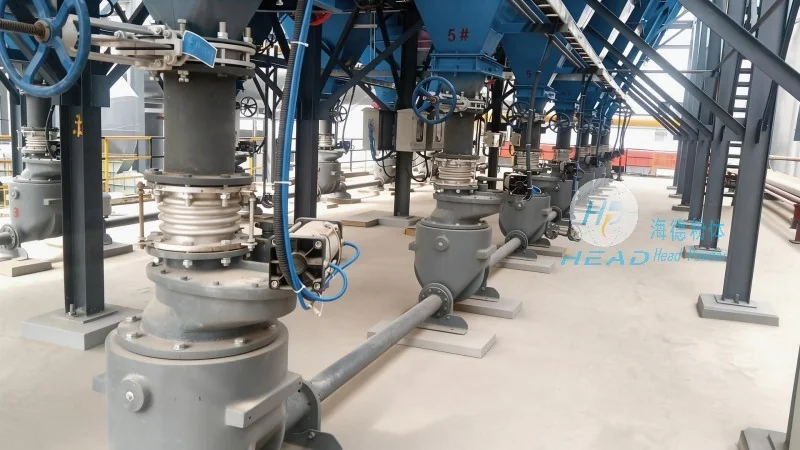
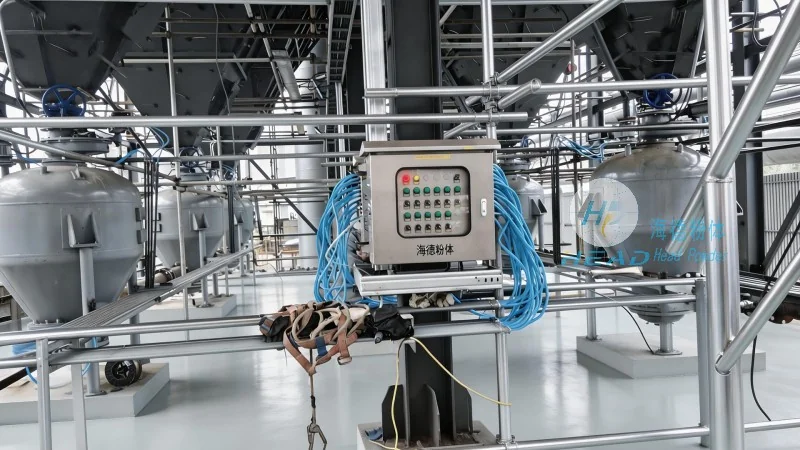
Pneumatic conveying systems use air pressure or vacuum to transport materials through a pipeline. The material is suspended in air and carried to the discharge point. These systems are particularly useful for transporting fine powders or dusty materials, but can also handle larger aggregates with proper design.
Advantages of pneumatic conveying include the ability to transport materials over long distances, even vertically, and the flexibility to route the system around obstacles. They are also relatively clean and can be integrated with dust collection systems. However, pneumatic systems may have higher energy consumption and can be more complex to maintain, especially when dealing with abrasive or sticky materials.

Comparison of Key Factors
When comparing the three main stone aggregate conveying methods—belt, screw, and pneumatic—several factors should be considered. The table below summarizes the key characteristics of each system:
Factor
Belt Conveyor
Screw Conveyor
Pneumatic Conveying
Capacity
High
Medium
Medium to High
Distance
Long (horizontal)
Short to Medium (inclined/vertical)
Long (horizontal/vertical)
Space Requirements
High (wide footprint)
Low (compact)
Medium (pipeline needed)
Maintenance
Low to Medium
Medium
High
Cost
Medium to High
Low to Medium
High
From the comparison, it is clear that no single system is universally superior. The choice depends on the specific requirements of your operation. For example, if you need to transport large volumes of aggregates over long horizontal distances, a belt conveyor is likely the best choice. If space is limited and you need to move materials vertically, a screw conveyor may be more suitable. Pneumatic systems are ideal for applications requiring flexibility and minimal material spillage.
Application Recommendations for Different Industries
Various industries use stone aggregates in different ways, and the choice of conveying system should align with these applications:
Construction and Road Building: In these sectors, belt conveyors are commonly used for transporting aggregates from stockpiles to mixing plants or construction sites. Their high capacity and ability to handle long distances make them a popular choice. Screw conveyors may be used for vertical lifts in compact mixing facilities.
Manufacturing and Processing: For manufacturing processes that require precise material handling, screw conveyors are often preferred due to their ability to blend and transport materials in a controlled manner. Pneumatic systems can be used for transporting fine powders or dust that need to be moved without contact with other materials.
Mining and Quarrying: In mining operations, belt conveyors are extensively used to transport crushed rock from the quarry to processing plants or for long-distance transport to storage areas. The durability and reliability of belt conveyors make them suitable for harsh mining environments.
Conclusion
Selecting the right stone aggregate conveying method is a critical decision that impacts operational efficiency and cost. By understanding the characteristics and limitations of belt, screw, and pneumatic conveyors, you can choose the system that best meets your needs. Whether you prioritize capacity, space efficiency, or flexibility, there is a conveying solution tailored to your application.
For expert guidance on selecting and implementing the most suitable stone aggregate conveying system for your project, contact Shandong HeadPowder Engineering Co., Ltd. Our team of professionals at HeadPowder provides customized solutions to meet the unique demands of your operation, ensuring optimal performance and long-term reliability.

 Shandong Headpowder Engineering Co., Ltd.
 156-6277-7102(Quản lý Trương)
  0531-83386006
  Thành phố Tế Nam, Tỉnh Sơn Đông, Trung Quốc
Điện thoại
WeChatTư vấn
Lên đầu