Chuyên sâu trong lĩnh vực vật liệu rời công nghiệp, cung cấp giải pháp môi trường thông minh tích hợp cho phối trộn tự động, cấp liệu tập trung, khử lưu huỳnh và khử nitơ khô!
Understanding the various methods of polyurethane conveying is crucial for optimizing material handling processes in industrial settings. Polyurethane, known for its durability and flexibility, is widely used in conveyor systems due to its ability to handle a range of materials efficiently. The choice of conveying method depends on factors such as material type, size, and the required throughput. In this article, we explore the common methods of polyurethane conveying, highlighting their applications and benefits.
1. Belt Conveying with Polyurethane Belts

Polyurethane belt conveying is one of the most common methods for transporting bulk materials. Polyurethane belts are favored for their resistance to abrasion, impact, and chemical exposure. They are ideal for conveying abrasive materials like sand, gravel, and crushed stone. The smooth surface of polyurethane belts reduces friction, minimizing wear and tear on both the belt and the load. This method is widely used in mining, construction, and manufacturing industries. For instance, in a mining operation, a polyurethane conveyor belt can efficiently transport ore from the mine to processing facilities, ensuring consistent material flow and reducing downtime due to belt damage.
2. Polyurethane Pipe Conveying
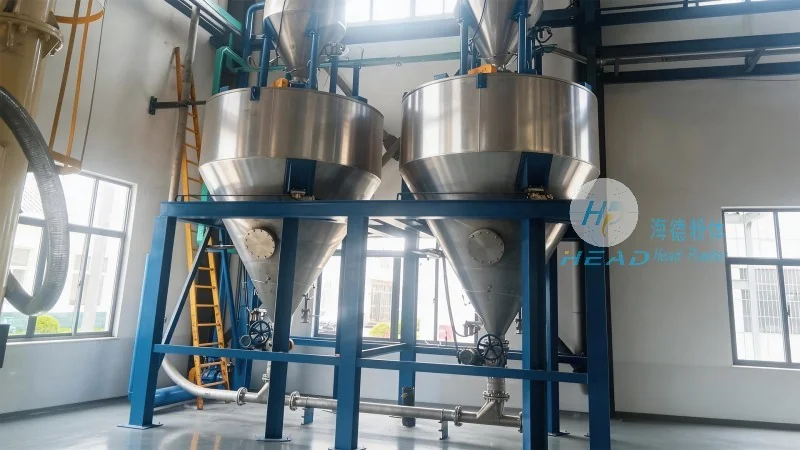
Polyurethane pipe conveying, also known as pneumatic conveying, is another popular method for transporting powders and granules. This system uses compressed air to move materials through flexible polyurethane pipes. The flexibility of the pipes allows for easy installation in tight spaces, and the smooth interior reduces material buildup and blockages. Polyurethane pipes are particularly suitable for conveying fine powders, such as cement, flour, and plastic granules. The system can operate at high speeds, increasing throughput while maintaining material integrity. In a food processing plant, a polyurethane pipe conveyor can transport flour from storage to mixing equipment without cross-contamination, ensuring product quality and safety.
3. Screw Conveyors with Polyurethane Components
Screw conveyors are widely used for vertical and horizontal material transport. Polyurethane components, such as screw flights and housing liners, are often used in these systems due to their low friction and wear resistance. The screw mechanism pushes material along the conveyor, making it suitable for handling dry, free-flowing materials like grains, chemicals, and plastics. Polyurethane screw conveyors are particularly effective in applications where metal components could cause contamination or corrosion. For example, in a pharmaceutical manufacturing facility, a polyurethane screw conveyor can transport raw materials without introducing metal particles, maintaining the purity of the final product.
4. Roller Conveyors with Polyurethane Coatings

Roller conveyors are commonly used for transporting packaged goods and heavy items. Polyurethane coatings on the rollers and conveyor frames enhance durability and reduce noise. The smooth surface of polyurethane-coated rollers minimizes friction, allowing for efficient movement of loads. This method is ideal for applications where noise control is important, such as in retail stores or warehouses. In a warehouse setting, a polyurethane roller conveyor can transport boxes of various sizes, ensuring smooth and quiet operation while reducing wear on both the rollers and the conveyed items.
5. Vibrating Conveyors with Polyurethane Linings
Vibrating conveyors use vibration to move materials along a trough. Polyurethane linings on the trough and conveyor bed provide a non-stick surface that prevents material buildup and reduces friction. This method is effective for handling sticky or cohesive materials like clay, coal, and food products. The vibration helps break up clumps and ensures consistent material flow. In a coal processing plant, a vibrating conveyor with polyurethane linings can efficiently transport coal, preventing blockages and ensuring a steady supply to the next stage of processing.
Shandong HeadPowder Engineering Co., Ltd., a leading manufacturer of polyurethane conveying solutions, specializes in providing high-quality products tailored to specific industrial needs. With a focus on durability and performance, HeadPowder's polyurethane conveyor systems are designed to enhance efficiency and reduce maintenance costs. The company's expertise in material handling technology ensures that clients receive reliable and effective solutions for their conveying requirements. Based in Shandong, China, HeadPowder serves a wide range of industries, including mining, construction, food processing, and manufacturing. Their commitment to quality and customer satisfaction has made them a trusted partner in the polyurethane conveying industry.

 Shandong Headpowder Engineering Co., Ltd.
 156-6277-7102(Quản lý Trương)
  0531-83386006
  Thành phố Tế Nam, Tỉnh Sơn Đông, Trung Quốc
Điện thoại
WeChatTư vấn
Lên đầu