

Common Methods for Cement Particle Conveying
When it comes to the efficient and reliable transportation of cement particles, selecting the right conveying method is crucial for industrial operations. Various technologies are available, each with its own advantages and applications. This article explores the common methods used for cement particle conveying, highlighting their functionalities and suitability for different scenarios.
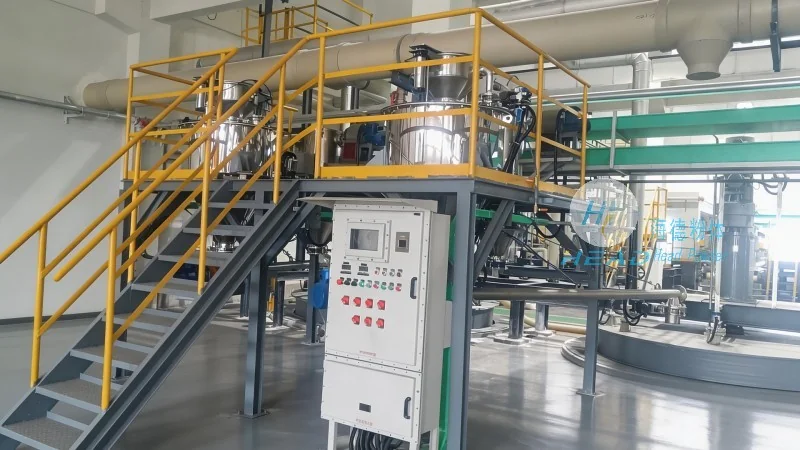
1. Screw Conveyors for Cement Particle Transport
Screw conveyors, also known as auger conveyors, are widely used in cement processing due to their simplicity and effectiveness. These devices consist of a rotating helical screw inside a tube, which moves material from the inlet to the outlet through a screwing motion. The design allows for vertical, horizontal, or inclined transport, making them versatile for different plant layouts. Screw conveyors are particularly effective for handling dry, free-flowing cement powders, as they can maintain a consistent flow rate and minimize material degradation. The smooth operation of screw conveyors also reduces the risk of blockages and ensures a steady supply of cement to downstream processes. For companies like Shandong HeadPowder Engineering Co., Ltd., screw conveyors are a reliable choice for integrating with existing cement production lines, providing a cost-effective solution for material handling.
2. Pneumatic Conveying Systems for Cement Particle Transfer
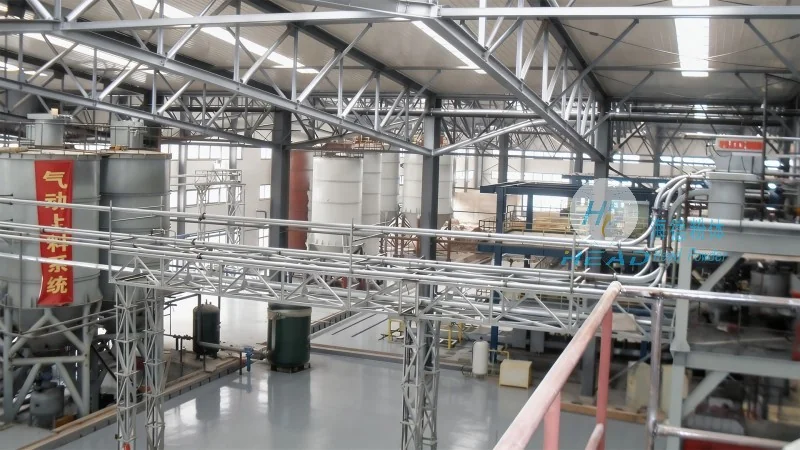
Pneumatic conveying systems utilize air or gas to transport cement particles through a pipeline network. This method is ideal for applications requiring long-distance or high-temperature transport, as it can handle both dry and slightly moist cement powders. There are two main types of pneumatic conveyors: dilute-phase and dense-phase. Dilute-phase systems use high-velocity air to move particles in a suspended state, suitable for short to medium distances. Dense-phase systems, on the other hand, use lower air velocities to push particles in a slurry-like state, which is better for longer distances and more viscous materials. Pneumatic conveying offers advantages such as minimal maintenance, no mechanical parts in contact with the material, and the ability to transport cement in a closed system, reducing dust emissions. However, it requires careful air pressure management and may have higher energy consumption compared to other methods. HeadPowder, as a professional engineering company based in Shandong, China, specializes in designing and implementing pneumatic conveying solutions tailored to specific cement plant requirements, ensuring optimal performance and efficiency.
3. Belt Conveyors for Bulk Cement Particle Handling
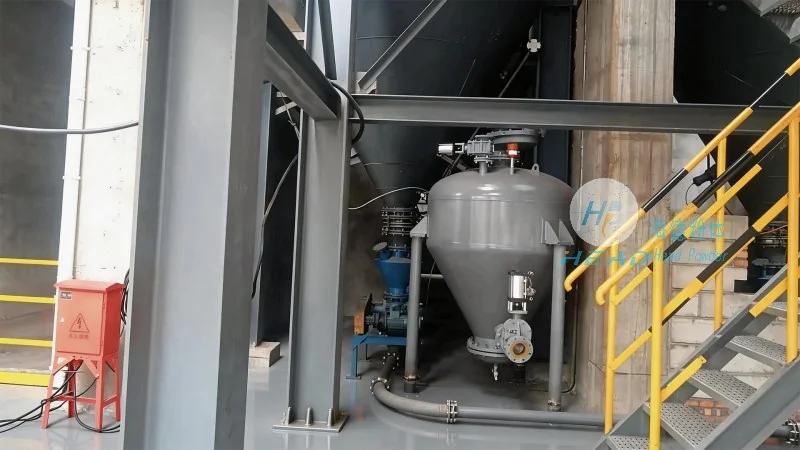
Belt conveyors are a classic and robust method for transporting large volumes of cement particles over long distances. These systems consist of a continuous belt that moves over rollers or pulleys, carrying the material from the loading point to the discharge point. Belt conveyors are highly efficient for horizontal and slightly inclined transport, capable of handling heavy loads and large quantities of cement. They are commonly used in cement storage facilities and production plants to move raw materials or finished products. The design of belt conveyors allows for easy integration with other equipment, such as hoppers and feeders, and can be customized to fit specific operational needs. Belt conveyors offer advantages like high capacity, low maintenance, and the ability to transport cement in an open or enclosed configuration. However, they require regular inspection and maintenance to prevent belt wear and ensure smooth operation. Shandong HeadPowder Engineering Co., Ltd. provides comprehensive solutions for belt conveyor systems, including design, installation, and maintenance services, helping clients optimize their cement handling processes.
4. Bucket Elevators for Vertical Cement Particle Transport
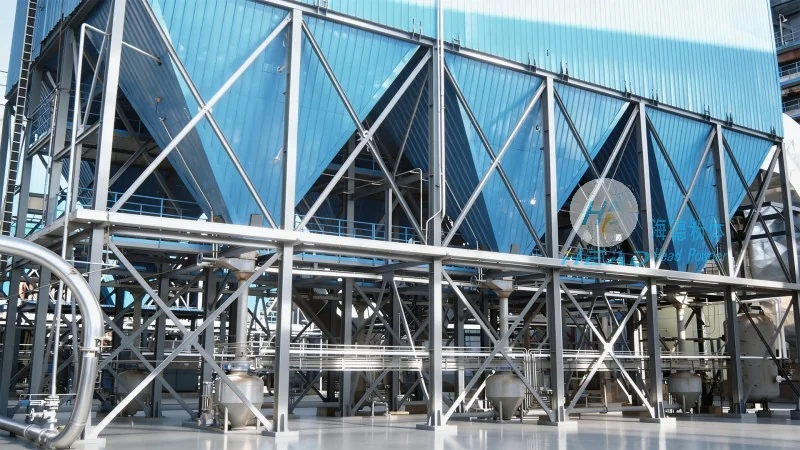
Bucket elevators are specialized equipment designed for vertical transport of cement particles, making them essential for elevating materials from lower to higher levels in cement plants. These systems consist of a continuous chain with buckets attached, which moves vertically within a casing. The buckets scoop up cement particles at the bottom and discharge them at the top, providing a continuous flow of material. Bucket elevators are highly efficient for vertical transport, capable of handling large volumes of cement at high speeds. They are commonly used in cement storage silos and production lines to move raw materials or finished products vertically. The design of bucket elevators allows for minimal space requirements and can be integrated with other equipment, such as hoppers and feeders. Bucket elevators offer advantages like high capacity, low power consumption, and the ability to transport cement in a closed system, reducing dust and environmental impact. However, they require regular maintenance to ensure the buckets and chain are in good condition, and proper alignment is crucial for smooth operation. HeadPowder, with its expertise in cement engineering, offers customized bucket elevator solutions that meet the specific needs of clients, ensuring reliable vertical transport of cement particles.