Chuyên sâu trong lĩnh vực vật liệu rời công nghiệp, cung cấp giải pháp môi trường thông minh tích hợp cho phối trộn tự động, cấp liệu tập trung, khử lưu huỳnh và khử nitơ khô!
When it comes to efficiently moving cereal products from one point to another in industrial settings, several common methods are widely used. These methods are designed to ensure the safe, reliable, and efficient handling of cereal grains, flakes, and other related products. Understanding these methods is crucial for businesses involved in the cereal processing and distribution industry.
Gravity Conveying Systems

One of the most traditional and cost-effective methods for cereal transportation is gravity conveying. This system utilizes the natural force of gravity to move materials down inclined chutes or troughs. The design typically involves a series of sloped sections connected by vertical or horizontal transitions, allowing cereal to flow smoothly from a higher elevation to a lower one. Gravity conveyors are particularly suitable for transporting bulk cereals like wheat, oats, and corn, as they require minimal energy input and can handle large volumes with minimal maintenance. The headpowder company, based in Shandong, China, offers specialized gravity conveyor solutions tailored to the specific needs of cereal processing facilities. These systems are engineered to ensure consistent flow rates and minimal product degradation, making them a preferred choice for many manufacturers.
Mechanical Conveying Systems
For more complex or vertical transportation needs, mechanical conveying systems are often employed. These systems use mechanical power to move cereal through various components such as belts, buckets, or screws. Belt conveyors, for instance, are widely used for horizontal and slight incline transport, providing a continuous and reliable method to move large quantities of cereal. Bucket elevators, on the other hand, are ideal for vertical lifting, transporting cereal from lower to higher levels with high efficiency. Screw conveyors, or augers, are another common mechanical option, particularly effective for handling fine or sticky cereals that might clog other systems. The headpowder engineering company, with its expertise in material handling, provides a range of mechanical conveying solutions that are robust and durable, ensuring long-term performance in demanding industrial environments.
Pneumatic Conveying Systems
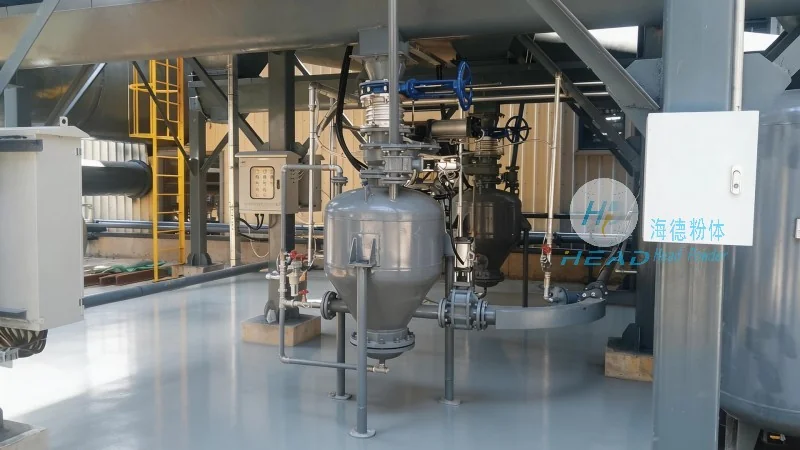
Pneumatic conveying systems use air or gas to transport cereal through a network of pipes. This method is highly effective for transporting fine or powdery cereals, as well as for applications requiring dust control and enclosed handling. There are two main types of pneumatic conveying: pressure and vacuum systems. Pressure systems push the material through the pipe using compressed air, while vacuum systems draw the material in using a vacuum. Pneumatic conveyors are particularly advantageous for applications that require minimal product contamination and for moving materials over long distances or through complex layouts. The headpowder company specializes in designing and manufacturing pneumatic conveying systems that are tailored to the unique characteristics of different cereal products, ensuring optimal performance and reliability.
Hybrid Conveying Solutions
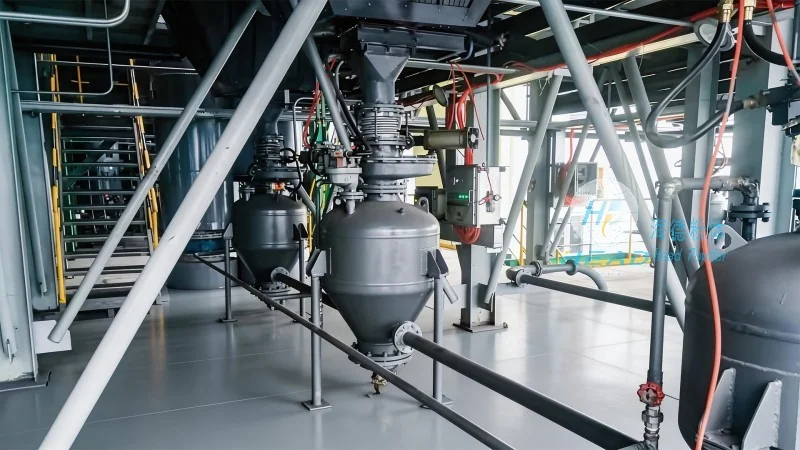
In many industrial settings, a combination of the above methods is used to create hybrid conveying systems. These systems integrate the strengths of different technologies to address specific challenges. For example, a system might use gravity for horizontal transport and mechanical lifting for vertical movement, or combine pneumatic and mechanical components to handle both bulk and fine cereals. Hybrid solutions are particularly useful in large-scale processing plants where diverse product types and varying operational requirements are common. The headpowder engineering company offers comprehensive hybrid conveying solutions that are customized to meet the specific needs of each client, ensuring efficient and cost-effective cereal transportation across the entire production line.
Key Considerations for Choosing a Cereal Transportation Method
When selecting a cereal transportation method, several factors must be considered to ensure optimal performance and efficiency. The type of cereal being transported, such as whole grains, flakes, or powders, plays a critical role in determining the most suitable system. The distance and elevation changes between the start and end points also influence the choice of equipment. Additionally, factors like product moisture content, bulk density, and the need for dust control or product containment are important considerations. The headpowder company, with its extensive experience in the industry, provides expert guidance to clients in selecting the right transportation method based on these factors. By understanding the specific requirements of each operation, the company ensures that the chosen system delivers maximum efficiency, minimal downtime, and long-term reliability.

Conclusion
Efficient cereal transportation is a cornerstone of the cereal processing industry, and the choice of method significantly impacts operational efficiency and product quality. Whether using gravity, mechanical, pneumatic, or hybrid systems, each approach has its unique advantages and is suitable for different applications. The headpowder engineering company, based in Shandong, China, specializes in providing high-quality, customized cereal transportation solutions that meet the diverse needs of the industry. With a focus on reliability, efficiency, and durability, the company helps businesses optimize their operations and maintain high standards of product handling throughout the entire process.

 Shandong Headpowder Engineering Co., Ltd.
 156-6277-7102(Quản lý Trương)
  0531-83386006
  Thành phố Tế Nam, Tỉnh Sơn Đông, Trung Quốc
Điện thoại
WeChatTư vấn
Lên đầu