

Common Methods for Hay Material Conveyance
Efficient hay material conveyance is a cornerstone of modern agricultural practices, enabling farmers and feed producers to move large volumes of hay with precision and reliability. The methods used for this process vary based on factors such as the type of hay, the scale of operations, and the specific requirements of the end-use. Understanding these common conveyance techniques is essential for selecting the most suitable solution for any given application.
1. Gravity Conveyors for Hay Material Handling
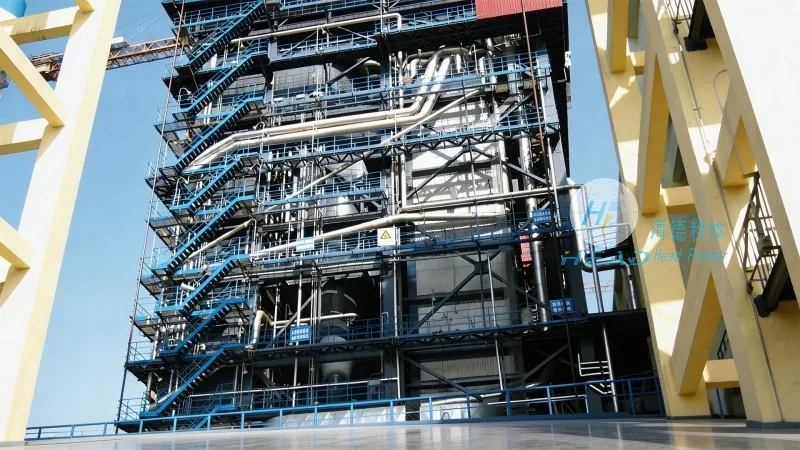
Gravity conveyors represent one of the simplest and most cost-effective methods for transporting hay material. These systems utilize the natural force of gravity to move hay from one elevation to another, making them ideal for applications where the material can be inclined at a suitable angle. Typically, gravity conveyors consist of a sloped trough or belt that allows hay to flow downward under its own weight. This method is particularly effective for short to medium distances and when the hay is relatively dry and free-flowing. The design of gravity conveyors often includes features such as adjustable incline angles and smooth surfaces to minimize material degradation and ensure consistent flow. For operations in Shandong, China, where hay production is prevalent, these conveyors are widely used in farms and feed processing facilities to streamline the movement of hay from storage to processing areas.

2. Mechanical Belt Conveyors for Bulk Hay Transport
For larger-scale hay handling, mechanical belt conveyors offer a robust and versatile solution. These systems employ a motorized drive to move a continuous belt, which carries hay material along a predetermined path. The belt can be customized with different widths and materials to accommodate various types of hay, including bales, loose material, or processed feed. Mechanical belt conveyors are capable of covering longer distances and handling heavier loads compared to gravity systems. They are commonly used in feed mills, hay storage facilities, and agricultural processing plants to transport hay from storage silos to processing lines or to different parts of the facility. The reliability of these conveyors, combined with their ability to operate continuously, makes them a preferred choice for high-volume operations. In Shandong, companies like Shandong HeadPowder Engineering Co., Ltd. specialize in designing and manufacturing such conveyor systems tailored to the specific needs of local agricultural enterprises.
3. Screw Conveyors for Uniform Hay Material Movement
Screw conveyors, also known as auger conveyors, are another common method for conveying hay material, especially when uniform movement and precise control are required. These systems consist of a rotating screw or auger inside a tube, which pushes hay material forward as it rotates. The screw's pitch and diameter can be adjusted to control the speed and volume of material transport. Screw conveyors are effective for handling both dry and moist hay, and they can be installed in horizontal or slightly inclined configurations. This method is particularly useful for moving hay through processing equipment, such as mixers or feeders, where consistent flow is essential. The enclosed design of screw conveyors also helps in maintaining the quality of the hay by preventing contamination and dust exposure. For agricultural operations in China, especially in the Shandong province, screw conveyors are widely adopted in feed production lines to ensure efficient and hygienic handling of hay ingredients.
4. Pneumatic Conveying Systems for Diverse Hay Applications

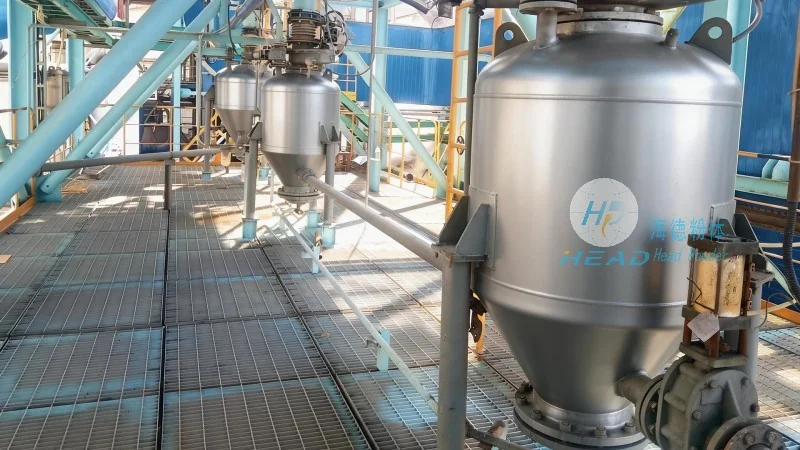
Pneumatic conveying systems utilize air pressure to transport hay material through a network of pipes. This method is particularly advantageous for handling fine or dusty hay, as well as for moving material over longer distances or through complex layouts. There are two main types of pneumatic conveyors: positive displacement and pressure-assisted systems. Positive displacement systems use a rotating mechanism to push hay into the air stream, while pressure-assisted systems rely on compressed air to draw material into the pipeline. Pneumatic conveyors are flexible and can be integrated with existing infrastructure, making them suitable for retrofitting in older facilities. They are commonly used in feed mills to transport hay from storage to mixing areas or to packaging lines. The ability to handle a wide range of hay types and the reduced need for manual labor make pneumatic systems a popular choice for modern agricultural operations. In the context of Shandong, China, where the agricultural industry is highly developed, pneumatic conveying has become an integral part of many large-scale feed production facilities.
5. Hydraulic Conveyors for Heavy-Duty Hay Handling
Hydraulic conveyors represent a specialized method for handling heavy or bulky hay material, such as large bales or dense feed mixes. These systems use hydraulic power to move material through a series of pipes or troughs, often with the assistance of mechanical components like rollers or chains. Hydraulic conveyors are capable of handling high loads and can operate in challenging environments, such as those with uneven terrain or limited space. They are commonly used in large-scale hay storage facilities and feed processing plants to move heavy bales from storage to processing lines or to loading areas. The robust design of hydraulic conveyors ensures durability and reliability, even under demanding conditions. For agricultural enterprises in Shandong, China, hydraulic conveyors are essential for managing the large volumes of hay produced in the region, particularly during peak harvest seasons.
6. Integration of Conveyance Systems with Modern Agricultural Technology
As agricultural technology advances, the integration of conveyance systems with automation and control technologies has become increasingly common. Modern hay conveyance solutions often incorporate sensors, variable frequency drives (VFDs), and programmable logic controllers (PLCs) to optimize performance and efficiency. These systems can adjust conveyor speed based on real-time demand, monitor material flow rates, and detect potential issues such as blockages or overloads. The use of automation not only improves operational efficiency but also reduces labor costs and enhances safety. Companies like Shandong HeadPowder Engineering Co., Ltd. are at the forefront of developing such integrated solutions, combining traditional conveyance methods with cutting-edge technology to meet the evolving needs of the agricultural industry. In Shandong, China, where innovation in agriculture is a priority, these advanced conveyance systems are being adopted by many farms and feed producers to stay competitive and efficient.