Chuyên sâu trong lĩnh vực vật liệu rời công nghiệp, cung cấp giải pháp môi trường thông minh tích hợp cho phối trộn tự động, cấp liệu tập trung, khử lưu huỳnh và khử nitơ khô!
When it comes to the efficient handling and transportation of sponge sand in industrial applications, selecting the right conveying method is crucial. The choice of method depends on factors such as the material's properties, the distance to be covered, and the overall system requirements. In this article, we will explore the primary types of sponge sand conveying methods used by industry leaders like Shandong HeadPowder Engineering Co., Ltd., based in China.
1. Gravity Conveying Systems
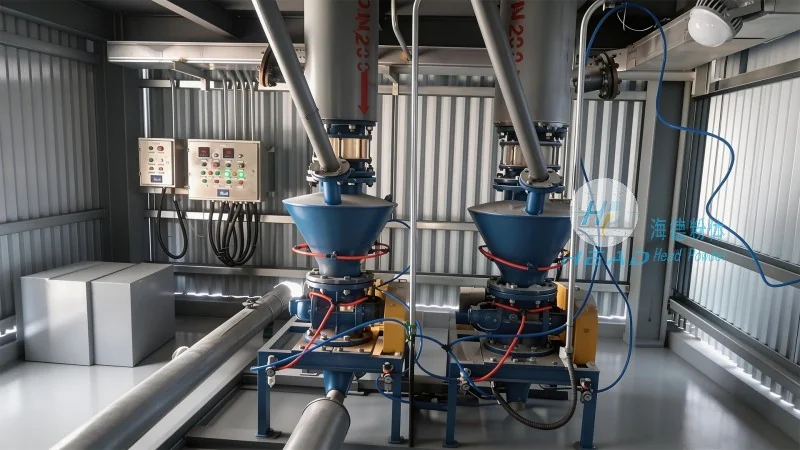
Gravity conveying systems utilize the natural force of gravity to move sponge sand from one point to another. This method is particularly effective for short distances and when the material has a relatively steep angle of repose. The system typically consists of a sloped conveyor or chute that allows the sand to flow downwards under its own weight. For applications where the material is free-flowing and the layout allows for a gentle slope, gravity conveying can be an economical and low-maintenance option. Shandong HeadPowder Engineering Co., Ltd. has implemented such systems in various projects, ensuring smooth and reliable material transfer without the need for additional power sources.
2. Mechanical Conveying Systems
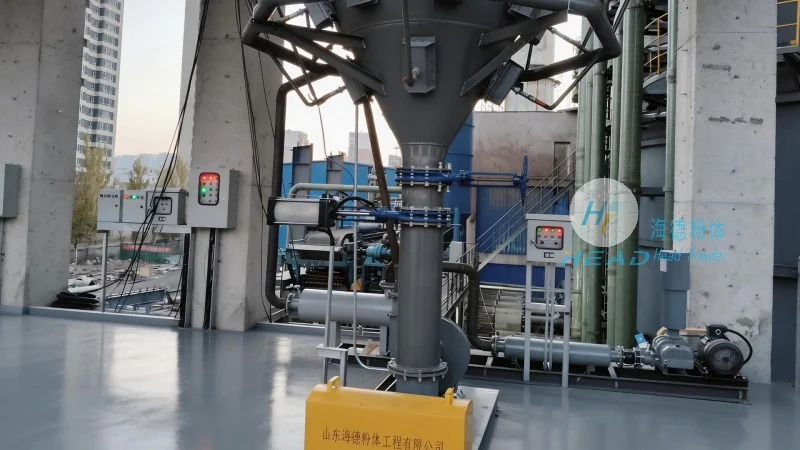
For longer distances or when the material requires more control, mechanical conveying systems are often employed. These systems use machinery to move the sponge sand, offering greater flexibility and control over the conveying process. Common types include belt conveyors, screw conveyors, and pneumatic conveying systems. Belt conveyors are widely used due to their simplicity and ability to handle a wide range of materials, including abrasive or irregularly shaped particles like sponge sand. Screw conveyors, on the other hand, are ideal for vertical or inclined transport, providing a compact solution for moving material through vertical sections of a process. Pneumatic conveying systems use air pressure to transport the sand, which is particularly useful for dusty or fine materials that might be difficult to handle with other methods. Shandong HeadPowder Engineering Co., Ltd. specializes in designing and installing these mechanical systems, ensuring optimal performance and minimal downtime.
3. Hydraulic Conveying Systems
Hydraulic conveying systems use water or other liquids to transport sponge sand. This method is often used in mining and construction applications where large volumes of material need to be moved over long distances. The sand is suspended in a liquid and then pumped through a pipeline to the destination. Hydraulic systems can handle high volumes of material and are effective in overcoming significant vertical or horizontal distances. However, they require careful maintenance to prevent clogging and ensure the liquid remains clean. Shandong HeadPowder Engineering Co., Ltd. has experience in implementing hydraulic conveying solutions, particularly in projects involving heavy-duty material handling.
4. Air-Lift Conveying Systems
Air-lift conveying systems are a type of pneumatic conveying that uses compressed air to lift and transport the sponge sand. The system consists of a vertical pipe with an air inlet at the bottom and an outlet at the top. The air is introduced at the bottom, creating a low-pressure zone that draws the sand upward. This method is particularly effective for vertical transport and can handle materials that are difficult to move by other means. Air-lift systems are often used in applications where the material is light and has a high air content, such as certain types of sponge sand. Shandong HeadPowder Engineering Co., Ltd. has developed specialized air-lift systems that enhance the efficiency of material transport in various industrial settings.
5. Combination Conveying Systems
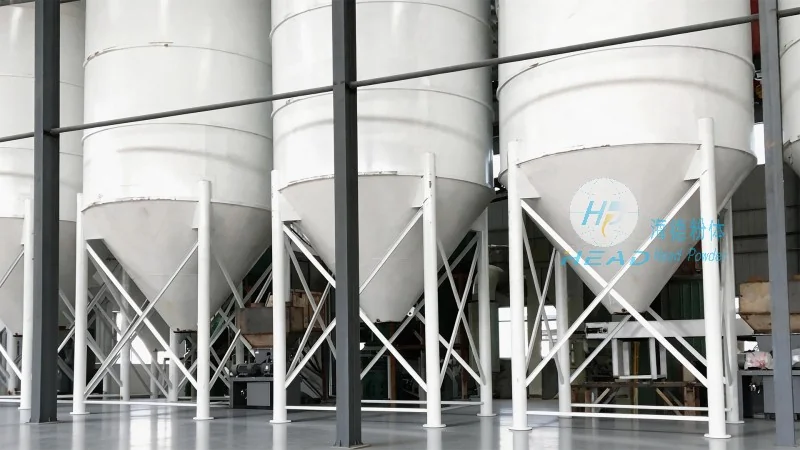
In many industrial processes, a single conveying method may not be sufficient to meet all the requirements. Combination conveying systems integrate multiple methods to achieve optimal performance. For example, a system might use gravity for the initial transport and then switch to a mechanical conveyor for the final stages. This approach allows for flexibility and can handle varying material loads and distances. Shandong HeadPowder Engineering Co., Ltd. is adept at designing and installing combination systems, ensuring that the entire conveying process is efficient and cost-effective. By combining different technologies, these systems can adapt to changing production needs and maintain high levels of material handling efficiency.
Conclusion
Choosing the right sponge sand conveying method is essential for the smooth operation of industrial processes. Whether using gravity, mechanical, hydraulic, or air-lift systems, or a combination thereof, the goal is to ensure efficient, reliable, and cost-effective material transport. Shandong HeadPowder Engineering Co., Ltd., with its expertise and experience in the field, provides tailored solutions that meet the specific needs of each project. Based in China, the company leverages its knowledge of local industrial practices and material characteristics to deliver high-quality conveying systems that enhance productivity and reduce operational costs.

 Shandong Headpowder Engineering Co., Ltd.
 156-6277-7102(Quản lý Trương)
  0531-83386006
  Thành phố Tế Nam, Tỉnh Sơn Đông, Trung Quốc
Điện thoại
WeChatTư vấn
Lên đầu