Chuyên sâu trong lĩnh vực vật liệu rời công nghiệp, cung cấp giải pháp môi trường thông minh tích hợp cho phối trộn tự động, cấp liệu tập trung, khử lưu huỳnh và khử nitơ khô!
Hydrogen chloride (HCl) is a highly corrosive and toxic gas that requires careful handling and transportation to ensure safety and compliance with industrial standards. The methods used for transporting HCl vary based on the scale of operation, distance, and specific application requirements. Understanding these transportation methods is crucial for industries that rely on HCl in their production processes, such as chemical manufacturing, pharmaceuticals, and metal processing.

1. Pipeline Transportation
Pipeline transportation is one of the most common and efficient methods for moving large volumes of hydrogen chloride over long distances. This method involves pumping HCl gas through specially designed pipelines that are constructed from corrosion-resistant materials like stainless steel or lined with protective coatings. The pipelines are equipped with pressure regulators, valves, and monitoring systems to maintain safe operating conditions. Companies like Shandong HeadPowder Engineering Co., Ltd. often utilize this method for their clients who require continuous and reliable supply of HCl. The use of pipelines minimizes the risk of leaks and spills compared to other transportation modes, making it a preferred choice for industrial applications.
2. Tank Truck Transportation
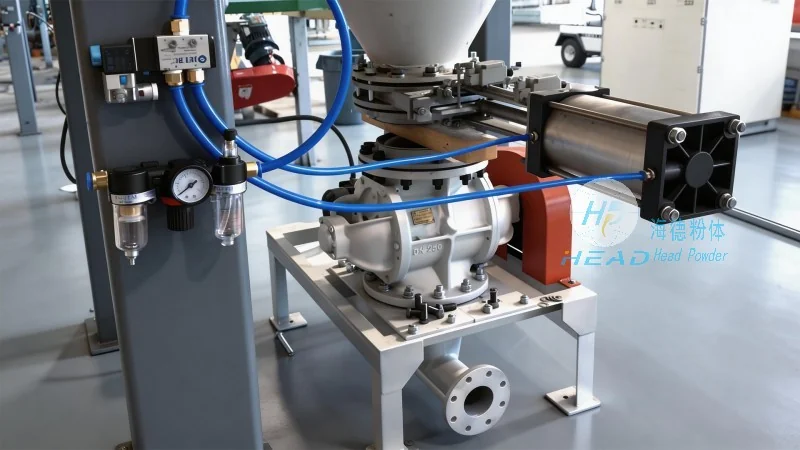
For medium to large-scale transportation of hydrogen chloride, tank trucks are widely used. These trucks are equipped with specialized tankers that are made from materials resistant to HCl corrosion, such as carbon steel with internal linings or high-density polyethylene (HDPE). The tankers are designed to maintain the gas under pressure and are fitted with safety features including pressure relief valves, emergency shut-off valves, and leak detection systems. The transportation process involves loading the HCl gas into the tank truck at the production facility and then delivering it to the end-user's site. This method is flexible and can be used for both short and long-distance transport, making it suitable for various industrial needs. Shandong HeadPowder Engineering Co., Ltd. may offer tank truck services as part of their logistics solutions to ensure timely delivery of HCl to clients.
3. Cylinder Transportation
For smaller quantities of hydrogen chloride, transportation via gas cylinders is common. These cylinders are typically made from aluminum or steel and are designed to hold HCl gas under high pressure. The cylinders are equipped with pressure regulators and safety valves to control the release of gas. This method is suitable for applications that require smaller volumes of HCl, such as laboratory use or small-scale industrial processes. The cylinders are transported using specialized vehicles or trailers, and proper handling and storage procedures must be followed to prevent accidents. Companies like HeadPowder, the abbreviation for Shandong HeadPowder Engineering Co., Ltd., may provide cylinder delivery services for clients with limited HCl requirements.
4. Specialized Container Transportation
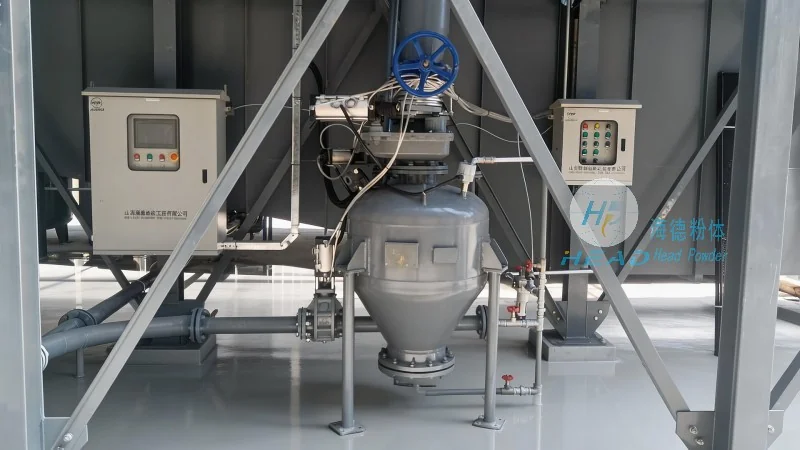
In some cases, specialized containers or cryogenic tanks may be used for transporting hydrogen chloride, especially when dealing with high-purity or cryogenic HCl. These containers are designed to maintain the gas at low temperatures and pressures, ensuring stability and preventing decomposition. The use of such containers is common in industries that require high-purity HCl for research or specialized manufacturing processes. The transportation of these containers requires specialized equipment and trained personnel to handle the unique challenges associated with cryogenic or high-pressure gas transport. Shandong HeadPowder Engineering Co., Ltd. may offer customized transportation solutions for clients with specific purity or volume requirements.

 Shandong Headpowder Engineering Co., Ltd.
 156-6277-7102(Quản lý Trương)
  0531-83386006
  Thành phố Tế Nam, Tỉnh Sơn Đông, Trung Quốc
Điện thoại
WeChatTư vấn
Lên đầu