Chuyên sâu trong lĩnh vực vật liệu rời công nghiệp, cung cấp giải pháp môi trường thông minh tích hợp cho phối trộn tự động, cấp liệu tập trung, khử lưu huỳnh và khử nitơ khô!
Welcome to Shandong HeadPowder Engineering Co., Ltd., a leading manufacturer specializing in advanced powder handling solutions. Based in Shandong, China, our company, often referred to as HeadPowder, provides innovative and efficient systems for the conveying of rice flour and other fine powders. This article explores the various methods used for rice flour conveying, highlighting the technical aspects, applications, and benefits of each approach.
Introduction to Rice Flour Conveying
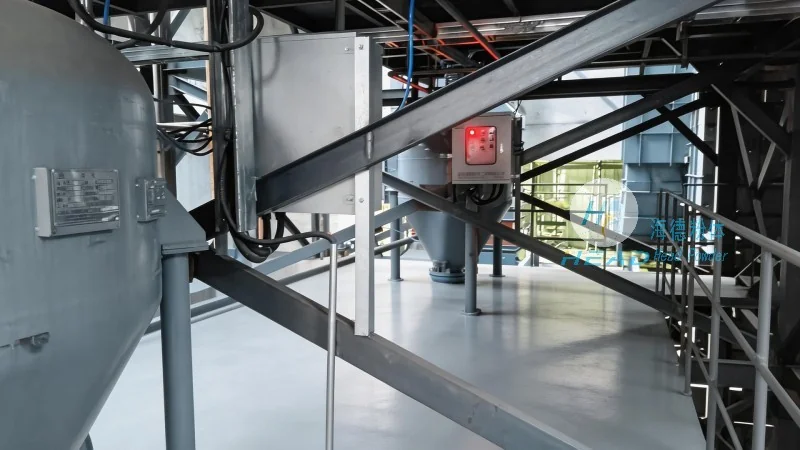
Rice flour, a versatile ingredient in the food industry, requires careful handling to maintain its quality and prevent degradation. Conveying rice flour efficiently is crucial for industrial processes, from production to packaging. The choice of conveying method depends on factors such as the flour's properties, production scale, and the desired level of hygiene and control. In this article, we will delve into the primary methods used for rice flour conveying, providing a detailed overview of each technique.
1. Gravity Conveying Systems
Gravity conveying systems utilize the natural force of gravity to move rice flour from one point to another. These systems are typically used for short distances and are ideal for applications where the flour's flow characteristics are consistent and the vertical or inclined distance is manageable. HeadPowder's gravity conveyors are designed with smooth, sloped chutes that minimize friction and prevent product degradation. The design ensures that the flour moves without the need for external power, making it energy-efficient and cost-effective for low-volume or medium-scale operations.

2. Mechanical Conveying Methods
For larger production volumes and more complex layouts, mechanical conveying systems are often preferred. These systems employ machinery to transport rice flour, offering greater control and flexibility. HeadPowder offers several mechanical conveying solutions, including screw conveyors, belt conveyors, and pneumatic conveying systems. Screw conveyors use rotating screws to push the flour forward, suitable for vertical and horizontal transport. Belt conveyors, on the other hand, use a continuous belt to move the flour, ideal for long-distance and high-volume applications. Pneumatic conveying systems utilize air pressure to transport the flour through pipes, providing a dust-free and hygienic method, especially important in food processing environments.
3. Pneumatic Conveying Systems
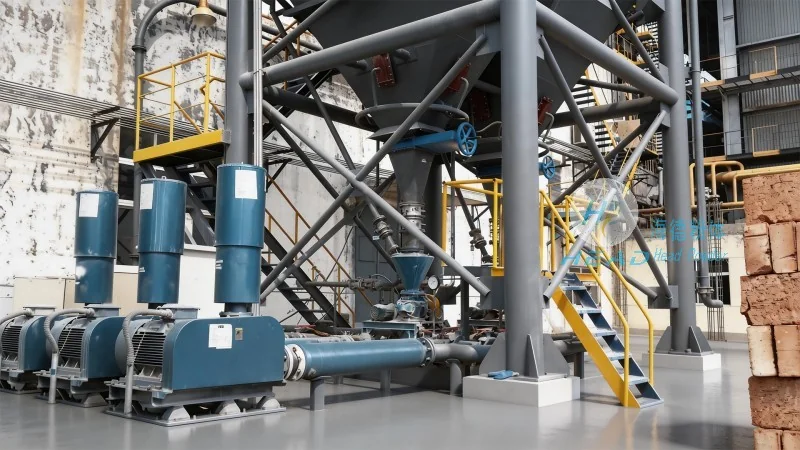
Pneumatic conveying is a popular choice for rice flour due to its ability to handle fine powders without the need for mechanical contact. This method involves using compressed air to move the flour through a network of pipes. HeadPowder's pneumatic conveying systems are equipped with high-efficiency filters and air compressors, ensuring that the flour is transported without contamination and with minimal product loss. The system can be designed as a pressure or vacuum system, depending on the specific requirements of the application. Pneumatic conveying is particularly effective for long-distance transport and for integrating with existing production lines.
4. Air-Lift Conveying
Air-lift conveying is a specialized form of pneumatic conveying that uses a vertical column to lift and transport rice flour. This method is ideal for vertical transport over significant heights, such as from a storage silo to a processing unit. HeadPowder's air-lift systems are designed with durable materials and efficient air distribution to ensure consistent and reliable lifting of the flour. The system operates by introducing air into the bottom of the column, creating a low-pressure zone that draws the flour upward. This method is energy-efficient and can handle large volumes of rice flour, making it suitable for large-scale industrial applications.
5. Vacuum Conveying Systems
Vacuum conveying systems use a vacuum to draw rice flour into a collection system. This method is particularly useful for applications where the flour needs to be transported from multiple points to a central location, such as in a processing plant. HeadPowder's vacuum conveyors are equipped with advanced vacuum pumps and filtration systems to ensure that the flour is transported without contamination and with high efficiency. The system can be designed with multiple inlets, allowing for the collection of flour from various sources and consolidation into a single outlet. Vacuum conveying is also suitable for handling sensitive or hygroscopic powders, as it minimizes exposure to air and moisture.

Choosing the Right Conveying Method for Rice Flour
The selection of the appropriate rice flour conveying method depends on several factors, including the production scale, the distance to be covered, the required hygiene standards, and the specific properties of the flour. For small-scale operations with short distances, gravity conveying may be sufficient. However, for larger-scale and more complex applications, mechanical or pneumatic conveying systems are often more effective. HeadPowder provides customized solutions tailored to the unique needs of each client, ensuring that the chosen conveying method maximizes efficiency, minimizes product loss, and maintains the quality of the rice flour.
Conclusion
Efficient rice flour conveying is essential for maintaining product quality and optimizing industrial processes. By understanding the various conveying methods available, such as gravity, mechanical, pneumatic, air-lift, and vacuum systems, manufacturers can select the most suitable solution for their specific needs. Shandong HeadPowder Engineering Co., Ltd. specializes in providing advanced powder handling solutions, including customized conveying systems, to meet the demands of the food industry. With our expertise and innovative designs, we help clients achieve efficient, reliable, and cost-effective rice flour transportation, contributing to their overall operational success.

 Shandong Headpowder Engineering Co., Ltd.
 156-6277-7102(Quản lý Trương)
  0531-83386006
  Thành phố Tế Nam, Tỉnh Sơn Đông, Trung Quốc
Điện thoại
WeChatTư vấn
Lên đầu