Chuyên sâu trong lĩnh vực vật liệu rời công nghiệp, cung cấp giải pháp môi trường thông minh tích hợp cho phối trộn tự động, cấp liệu tập trung, khử lưu huỳnh và khử nitơ khô!
When it comes to transporting ore powders, selecting the right conveying method is crucial for efficiency, cost-effectiveness, and operational safety. Various options exist, each with its own set of advantages and limitations. Understanding these methods helps industries choose the most suitable solution for their specific needs. This article explores common ore powder conveying methods and highlights the benefits of HeadPowder's pneumatic conveying system.
Common Ore Powder Conveying Methods
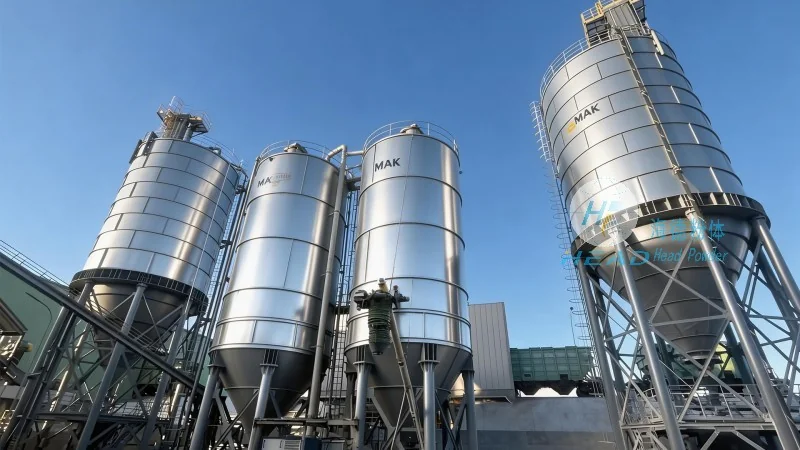
Conveying ore powders involves moving fine particles from one location to another, often over long distances or within complex industrial setups. The primary methods used include mechanical conveyors, pneumatic conveying systems, and hydraulic systems. Each method has distinct characteristics that influence its application in different scenarios.
1. Mechanical Conveyors: These systems use mechanical components such as belts, screws, or buckets to transport materials. Belt conveyors are widely used for bulk material handling due to their simplicity and low cost. Screw conveyors are ideal for vertical or inclined transport of dry powders. However, mechanical conveyors have limitations when dealing with fine, abrasive, or sticky ore powders, as they can cause material degradation and increased wear on components.
2. Pneumatic Conveying: This method uses air or other gases to transport powders through a pipeline. It is particularly effective for handling fine, dusty, or hazardous materials. Pneumatic systems can be classified into pressure and vacuum types. Pressure systems push material through the pipeline using compressed air, while vacuum systems draw material into the pipeline using a vacuum. This method offers advantages like minimal product contamination, flexibility in layout, and the ability to handle materials with high moisture content.
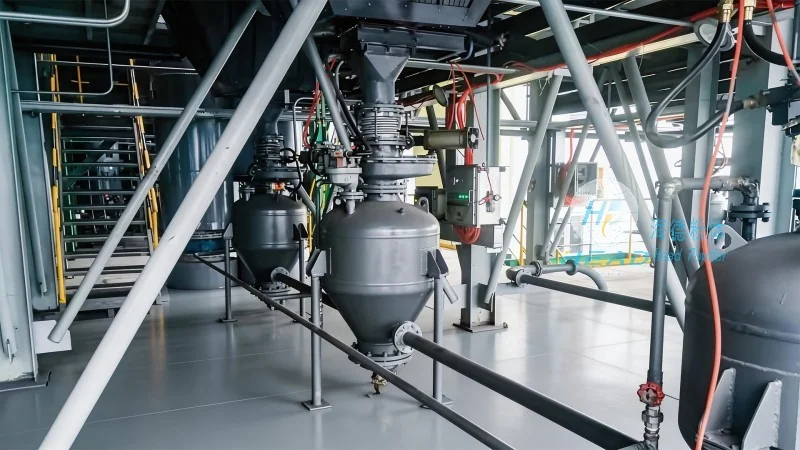
3. Hydraulic Conveying: Although less common for ore powders, hydraulic systems use fluid to transport materials. They are suitable for handling wet or slurry materials but are generally more complex and expensive compared to pneumatic systems. Hydraulic conveying is not typically used for dry ore powders due to the risk of clogging and material degradation.
HeadPowder's Pneumatic Conveying System: Advantages and Features
HeadPowder, a leading manufacturer in the field, offers advanced pneumatic conveying solutions tailored to the unique challenges of ore powder handling. The company's systems are designed to address the limitations of traditional methods while providing superior performance and reliability. Key advantages of HeadPowder's pneumatic conveying system include:

1. Efficient Material Handling: The system efficiently transports fine ore powders over long distances with minimal pressure drop and energy consumption. It can handle high volumes of material, making it suitable for large-scale operations. The use of high-quality materials and robust design ensures consistent performance and reduces downtime.
2. Low Maintenance and Long Lifespan: HeadPowder's pneumatic conveying systems are engineered for durability and low maintenance. The components are made from corrosion-resistant materials, reducing the risk of wear and tear. This results in lower operational costs and longer equipment lifespan compared to traditional mechanical conveyors.
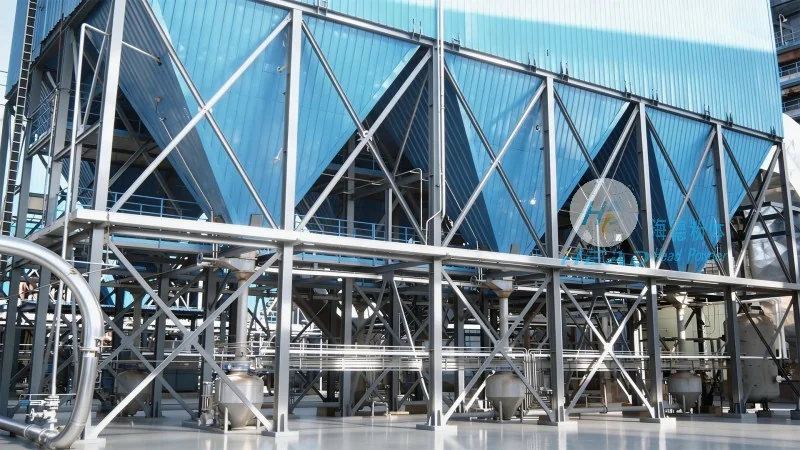
3. Product Protection and Contamination Control: The pneumatic system minimizes product contamination by separating the material from the conveying air. This is particularly important for ore powders that require high purity, such as those used in pharmaceutical or food industries. The system also prevents dust emissions, improving workplace safety and compliance with environmental regulations.
4. Flexibility and Scalability: HeadPowder's systems are highly flexible and can be customized to fit various industrial layouts and production needs. They can be easily expanded or modified to accommodate changes in production volume or material types. This adaptability makes the system suitable for both new installations and retrofitting existing facilities.
5. Energy Efficiency: By optimizing the air flow and pressure, HeadPowder's pneumatic conveying system reduces energy consumption compared to other methods. The use of efficient components and advanced control systems ensures that the system operates at peak efficiency, lowering operational costs and environmental impact.
Conclusion
Choosing the right ore powder conveying method is critical for optimizing industrial processes. While mechanical and hydraulic systems have their applications, pneumatic conveying, especially from HeadPowder, offers significant advantages in terms of efficiency, product protection, and operational flexibility. HeadPowder's expertise in designing and manufacturing advanced pneumatic conveying systems makes them a reliable choice for industries dealing with ore powders. By leveraging their technology, companies can enhance productivity, reduce costs, and ensure compliance with safety and environmental standards.

 Shandong Headpowder Engineering Co., Ltd.
 156-6277-7102(Quản lý Trương)
  0531-83386006
  Thành phố Tế Nam, Tỉnh Sơn Đông, Trung Quốc
Điện thoại
WeChatTư vấn
Lên đầu