Chuyên sâu trong lĩnh vực vật liệu rời công nghiệp, cung cấp giải pháp môi trường thông minh tích hợp cho phối trộn tự động, cấp liệu tập trung, khử lưu huỳnh và khử nitơ khô!
Clay, a fundamental material in industries like ceramics, construction, and chemical manufacturing, demands efficient and reliable transport methods to support seamless production. Traditional approaches, such as manual handling or mechanical conveyors, often encounter challenges due to clay's unique characteristics—including high moisture content, variable particle sizes, and a tendency to clog or adhere to surfaces. This article examines common clay transport methods and highlights the advantages of HeadPowder's pneumatic clay transport system, a state-of-the-art solution engineered to overcome these obstacles effectively.
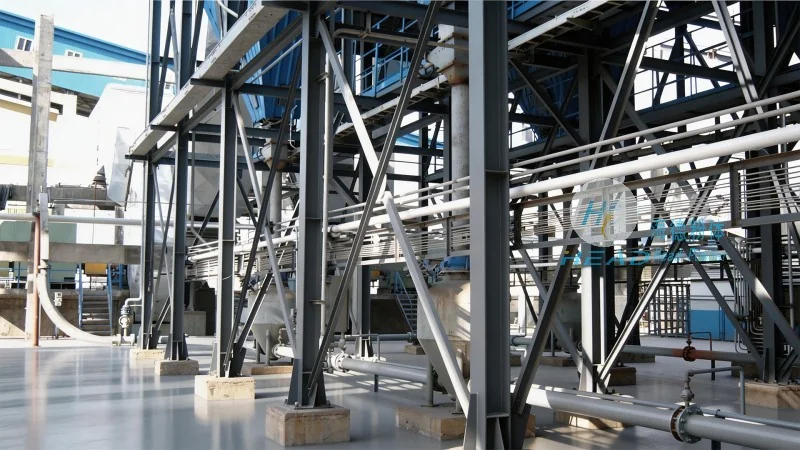
Traditional Clay Transport Methods and Their Limitations
Historically, clay has been transported using methods that are frequently labor-intensive and less efficient. Manual handling involves workers moving clay in buckets or carts, which not only places a physical strain on employees but also increases the risk of accidents and inconsistent material flow. Mechanical conveyors, such as belt conveyors or screw conveyors, are widely used for bulk material transport. However, these systems may struggle with clay's high moisture content, leading to blockages, accelerated wear on equipment, and reduced overall efficiency. Additionally, traditional methods often lack the necessary control over the transport process, making it difficult to maintain consistent material quality and flow rates.
HeadPowder's Pneumatic Clay Transport System: A Revolutionary Solution
HeadPowder, a leading manufacturer of industrial pneumatic conveying systems, offers a sophisticated solution for clay transport. The company's pneumatic clay transport system utilizes compressed air to move clay particles through a sealed pipeline, eliminating the need for mechanical parts that are prone to clogging and wear. This system is designed to handle clay with varying moisture levels and particle sizes, ensuring consistent and reliable transport. The key advantages of HeadPowder's pneumatic clay transport system include:
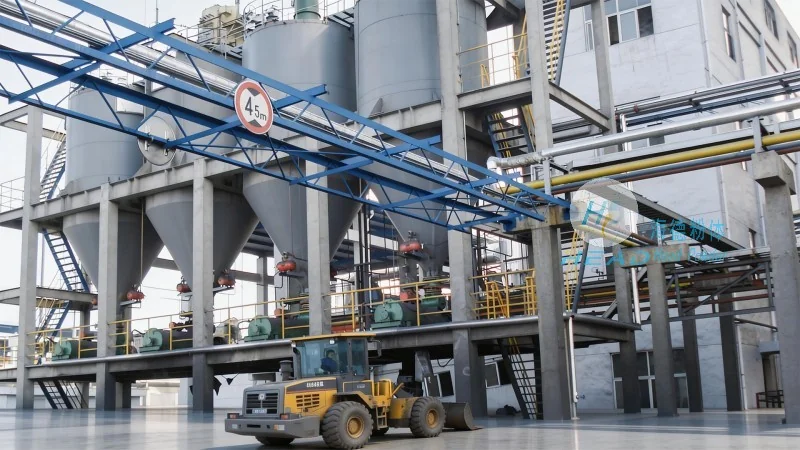
Key Advantages of HeadPowder's Pneumatic Clay Transport System
1. Efficient and Continuous Transport: The pneumatic system enables continuous, uninterrupted transport of clay, reducing downtime and boosting overall production efficiency. Unlike traditional methods that may require frequent stops for maintenance or material handling, the pneumatic system operates smoothly, maintaining a steady flow of material.
2. Reduced Downtime and Maintenance Costs: By eliminating mechanical components like belts, screws, and buckets, the pneumatic system minimizes the risk of clogs and breakdowns. This leads to lower maintenance costs and less downtime, as the system is less susceptible to wear and tear from clay's abrasive properties.
3. Improved Material Quality and Consistency: The sealed pipeline design prevents contamination from external elements and maintains the moisture content of the clay, ensuring consistent material quality. This is critical for industries where clay quality directly impacts the final product, such as ceramics or construction materials.
4. Space-Saving and Flexible Installation: The pneumatic system can be installed in various configurations, including vertical or horizontal layouts, making it suitable for different plant layouts. The compact design of the system saves valuable floor space, which is particularly advantageous in facilities with limited space.
5. Environmental Benefits: The sealed pipeline design reduces dust emissions, contributing to a cleaner and safer working environment. This is an important consideration for industries where dust control is a regulatory requirement.

How HeadPowder's Pneumatic Clay Transport System Works
The pneumatic clay transport system operates by using a blower or compressor to generate compressed air, which is then introduced into the pipeline. The clay particles are drawn into the pipeline by the air flow and transported to the destination. The system can be equipped with various components, such as filters, cyclones, and control valves, to ensure optimal performance and material handling. HeadPowder's system is designed with high-quality materials, including stainless steel and corrosion-resistant components, to withstand the harsh conditions of clay transport and ensure long-term durability.
Conclusion: Choosing the Right Clay Transport Solution
When selecting a clay transport method, it is essential to consider the specific needs of the industry and the properties of the clay. Traditional methods may be appropriate for small-scale operations or low-volume transport, but for larger-scale and more demanding applications, a pneumatic system like HeadPowder's offers significant advantages. The efficiency, reliability, and cost-effectiveness of HeadPowder's pneumatic clay transport system make it an ideal choice for companies seeking to enhance their clay transport processes and improve overall production efficiency. With its commitment to quality and innovation, HeadPowder continues to provide cutting-edge solutions for the clay transport industry.

 Shandong Headpowder Engineering Co., Ltd.
 156-6277-7102(Quản lý Trương)
  0531-83386006
  Thành phố Tế Nam, Tỉnh Sơn Đông, Trung Quốc
Điện thoại
WeChatTư vấn
Lên đầu