Chuyên sâu trong lĩnh vực vật liệu rời công nghiệp, cung cấp giải pháp môi trường thông minh tích hợp cho phối trộn tự động, cấp liệu tập trung, khử lưu huỳnh và khử nitơ khô!
Fly ash, a byproduct of coal combustion in thermal power plants, is a valuable material used in construction and other industries. Efficient and reliable transportation of fly ash from the boiler to storage or processing facilities is crucial for maintaining operational efficiency and environmental compliance. Various methods are employed for fly ash conveyance, each with its own set of advantages and limitations. This article explores common fly ash conveying methods and highlights the advantages of HeadPowder's pneumatic conveying system.
Common Fly Ash Conveying Methods

1. Gravity Conveying: This method utilizes the natural gravitational force to move fly ash from the boiler to a storage silo. It typically involves a series of hoppers and chutes that allow the material to flow down under its own weight. Gravity conveying is simple and low-cost, but it has limitations in terms of distance and elevation changes. It is suitable for short distances and relatively flat terrain.
2. Mechanical Conveying: Mechanical systems such as belt conveyors, screw conveyors, and bucket elevators are used to transport fly ash. These systems rely on mechanical components to move the material. Belt conveyors are widely used for horizontal and slightly inclined transport, while screw conveyors are effective for vertical or inclined movement. Mechanical conveying is reliable and can handle large volumes, but it requires regular maintenance and may cause wear and tear on the equipment.
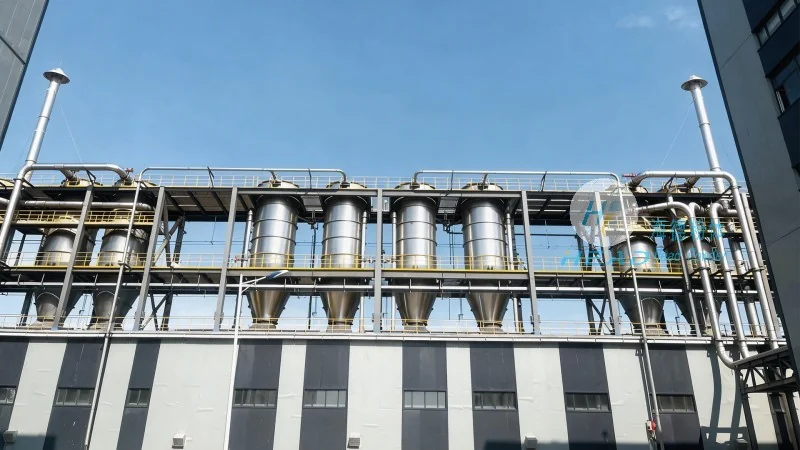
3. Pneumatic Conveying: Pneumatic conveying uses compressed air to transport fly ash through a pipeline system. This method offers high flexibility, as it can transport materials over long distances and through complex layouts. Pneumatic systems can handle both dry and wet fly ash, and they are less prone to material degradation compared to mechanical systems. However, they require more energy and may have higher initial costs.
Advantages of HeadPowder's Pneumatic Conveying System
HeadPowder, a leading provider of industrial conveying solutions, specializes in designing and manufacturing advanced pneumatic conveying systems for fly ash transport. The company's systems are engineered to meet the unique challenges of fly ash handling, offering several key advantages over traditional methods.
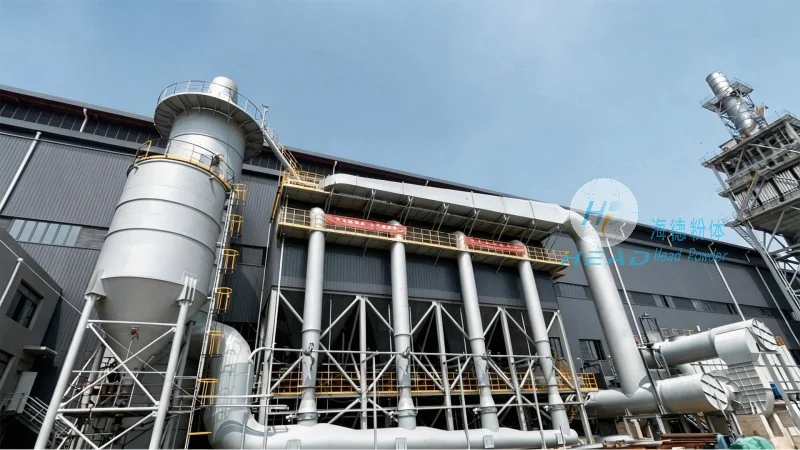
1. High Efficiency and Reliability: HeadPowder's pneumatic conveying systems are designed for continuous operation with minimal downtime. The use of high-quality materials and robust components ensures reliable performance, even under demanding conditions. The system's ability to handle varying ash compositions and moisture levels makes it suitable for diverse applications.
2. Flexible and Scalable: Unlike fixed mechanical systems, HeadPowder's pneumatic conveying solutions can be easily adjusted to accommodate changes in production volume or facility layout. The modular design allows for expansion or reconfiguration without significant modifications to the existing infrastructure. This flexibility is particularly valuable in power plants where operational needs may evolve over time.
3. Low Maintenance and Longevity: The pneumatic conveying system from HeadPowder is engineered for low maintenance requirements. The absence of moving parts in the pipeline reduces wear and tear, leading to longer service life and lower operational costs. Regular maintenance is minimal, as the system primarily consists of air compressors, filters, and conveying lines, all of which are designed for durability.
4. Environmental Benefits: By eliminating the need for mechanical components that may generate dust or cause contamination, HeadPowder's system helps maintain a cleaner working environment. The enclosed pipeline system prevents dust emissions, contributing to better air quality and compliance with environmental regulations. This is particularly important in regions with strict air quality standards.
5. Energy Efficiency: While pneumatic systems require compressed air, HeadPowder's advanced designs optimize energy consumption. The use of efficient air compressors and optimized pipeline layouts reduces energy costs compared to traditional mechanical systems. The system's ability to handle large volumes with less energy input makes it a cost-effective solution in the long run.

Conclusion
Choosing the right fly ash conveying method is critical for power plants and industrial facilities to ensure efficient operation and compliance with environmental standards. While gravity and mechanical conveying methods have their uses, pneumatic conveying offers superior flexibility, reliability, and efficiency. HeadPowder's pneumatic conveying system, with its advanced design and robust construction, provides a reliable solution for transporting fly ash. With its headquarters in Shandong, China, HeadPowder has established itself as a trusted provider of industrial conveying solutions, helping clients optimize their fly ash handling processes and improve overall operational performance.

 Shandong Headpowder Engineering Co., Ltd.
 156-6277-7102(Quản lý Trương)
  0531-83386006
  Thành phố Tế Nam, Tỉnh Sơn Đông, Trung Quốc
Điện thoại
WeChatTư vấn
Lên đầu