Chuyên sâu trong lĩnh vực vật liệu rời công nghiệp, cung cấp giải pháp môi trường thông minh tích hợp cho phối trộn tự động, cấp liệu tập trung, khử lưu huỳnh và khử nitơ khô!
When it comes to handling glass fiber powder, selecting the right conveying method is crucial for maintaining product quality, ensuring operational efficiency, and minimizing environmental impact. Glass fiber powder, with its fine particles and abrasive nature, poses unique challenges during transportation. Traditional methods like belt conveyors or bucket elevators often struggle with dust generation, material degradation, and equipment wear. These issues not only increase maintenance costs but also pose health and safety risks in industrial settings. Recognizing these challenges, companies like Shandong HeadPowder Engineering Co., Ltd., commonly known as headpowder, have developed advanced pneumatic conveying systems tailored to the specific needs of glass fiber powder handling.
HeadPowder's Pneumatic Conveying Solutions: How It Works

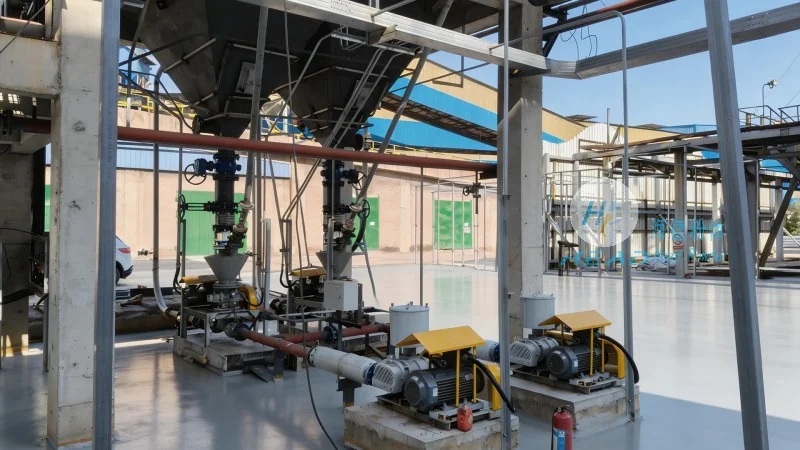
HeadPowder specializes in providing customized pneumatic conveying solutions for glass fiber powder. The core technology involves using compressed air to transport the powder through a sealed system, eliminating the need for open-air handling and reducing dust exposure. The system typically includes several key components: a feed hopper to introduce the powder, a rotary valve or feeder to control the flow rate, a venturi or airlock to create the pressure differential for movement, and a series of pipelines to direct the powder to the destination. At the receiving end, a cyclone separator or bag filter captures the powder while allowing the air to be recycled or vented safely. This closed-loop design ensures that the glass fiber powder remains contained throughout the conveying process, maintaining its purity and preventing contamination.
Key Advantages of HeadPowder's Pneumatic Conveying Systems

Compared to traditional conveying methods, HeadPowder's pneumatic solutions offer several significant advantages. First, the closed system effectively eliminates dust and airborne particles, creating a safer working environment for personnel and reducing the risk of respiratory issues associated with fine glass fibers. Second, the system minimizes material degradation by avoiding direct contact with metal surfaces or excessive friction, preserving the integrity of the glass fiber particles. Third, the low-pressure operation reduces energy consumption compared to high-pressure systems, making it more cost-effective for long-distance or large-volume conveying tasks. Additionally, the flexibility of pneumatic conveying allows for easy integration with existing production lines, enabling seamless material transfer between different stages of the manufacturing process. The system's ability to handle varying particle sizes and moisture content further enhances its versatility, making it suitable for a wide range of glass fiber powder applications.
Customization and Application Flexibility
HeadPowder understands that each industrial application has unique requirements. Therefore, their pneumatic conveying systems are designed to be highly customizable. Whether the goal is to transport glass fiber powder from a storage silo to a mixing station, from a production line to a packaging area, or between different processing units, the system can be tailored to meet specific flow rates, distances, and environmental standards. The company's engineering team works closely with clients to assess their operational needs, material characteristics, and space constraints, then designs a solution that optimizes performance while minimizing costs. This collaborative approach ensures that the final system not only meets but often exceeds the client's expectations in terms of efficiency, reliability, and safety.
Operational Benefits and Cost Efficiency
Implementing HeadPowder's pneumatic conveying solutions can lead to substantial operational benefits. By reducing dust and improving safety, companies can lower insurance premiums and avoid costly shutdowns due to equipment damage or health violations. The minimized material degradation also translates to higher product quality and reduced waste, as less powder is lost during transportation. Furthermore, the energy-efficient design of the systems results in lower operational costs over time, especially for high-volume operations. The reduced need for manual handling and cleaning of equipment also contributes to overall labor savings and increased productivity. In many cases, the initial investment in a pneumatic conveying system is quickly recouped through these long-term savings and improved operational performance.
Conclusion: Choosing the Right Conveying Method for Glass Fiber Powder
For industries dealing with glass fiber powder, selecting an effective and reliable conveying method is essential for maintaining productivity and ensuring product quality. Traditional methods often fall short in addressing the unique challenges posed by this material, leading to inefficiencies and increased costs. HeadPowder's pneumatic conveying solutions, developed by Shandong HeadPowder Engineering Co., Ltd., offer a modern, efficient, and safe alternative. By leveraging advanced technology and customization, these systems address the key issues of dust control, material integrity, and operational efficiency. Whether for new installations or upgrades to existing facilities, HeadPowder's solutions provide a robust foundation for glass fiber powder handling, helping companies achieve their production goals while maintaining high standards of safety and environmental responsibility. With their headquarters in Shandong, China, headpowder continues to lead the way in providing innovative conveying solutions tailored to the needs of the glass fiber industry.

 Shandong Headpowder Engineering Co., Ltd.
 156-6277-7102(Quản lý Trương)
  0531-83386006
  Thành phố Tế Nam, Tỉnh Sơn Đông, Trung Quốc
Điện thoại
WeChatTư vấn
Lên đầu