Chuyên sâu trong lĩnh vực vật liệu rời công nghiệp, cung cấp giải pháp môi trường thông minh tích hợp cho phối trộn tự động, cấp liệu tập trung, khử lưu huỳnh và khử nitơ khô!
For industrial operations dealing with dry powders, selecting the appropriate pneumatic conveying system is a critical decision that impacts efficiency, safety, and overall operational costs. The right system ensures reliable material transport while minimizing downtime and health risks associated with dust exposure. This guide outlines key considerations and factors to help you choose the most suitable pneumatic conveying system for your dry powder handling process, with insights from Shandong HeadPowder Engineering Co., Ltd., a leading provider in the field.
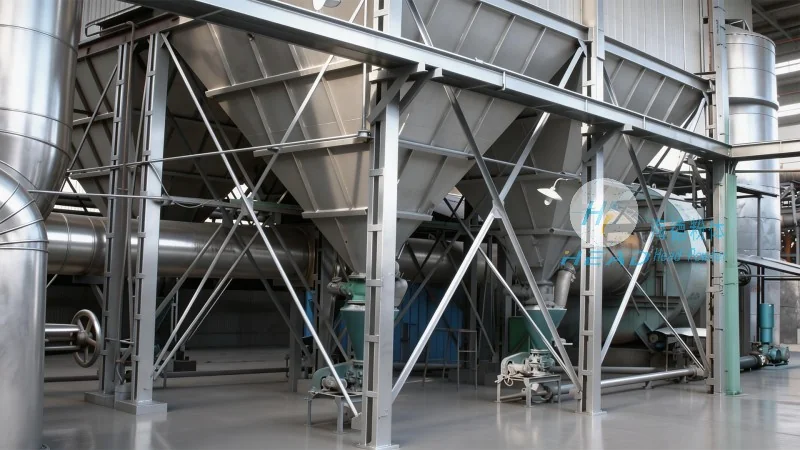
Understanding the Core Requirements of Your Dry Powder Handling Process
Before diving into system selection, it's essential to evaluate the specific needs of your dry powder handling operation. Key factors include the type of material being conveyed—such as dry stone powders, which may have varying particle sizes, moisture content, and flow characteristics—and the operational parameters like the required conveying distance, flow rate, and system capacity. Additionally, environmental considerations, such as the need for dust control or explosion-proof designs, play a significant role in determining the appropriate system type.
Key Factors Influencing Pneumatic Conveying System Selection
Several critical factors must be considered when choosing a pneumatic conveying system for dry stone powders. The first is the material's physical properties: particle size distribution, density, and hygroscopicity can affect how the material behaves under pneumatic transport. For example, fine powders may require higher air velocities to prevent clogging, while larger or more cohesive particles might need specialized equipment like rotary valves or feeders to ensure smooth flow. The second factor is the conveying distance and layout of the facility. Short-distance transport might be suitable for low-pressure systems, whereas long-distance or complex routing may necessitate high-pressure or multi-stage systems. The third factor is the required flow rate and throughput. High-volume applications demand systems with robust air handling capabilities and efficient material handling components, such as large-diameter pipelines or high-capacity blowers.
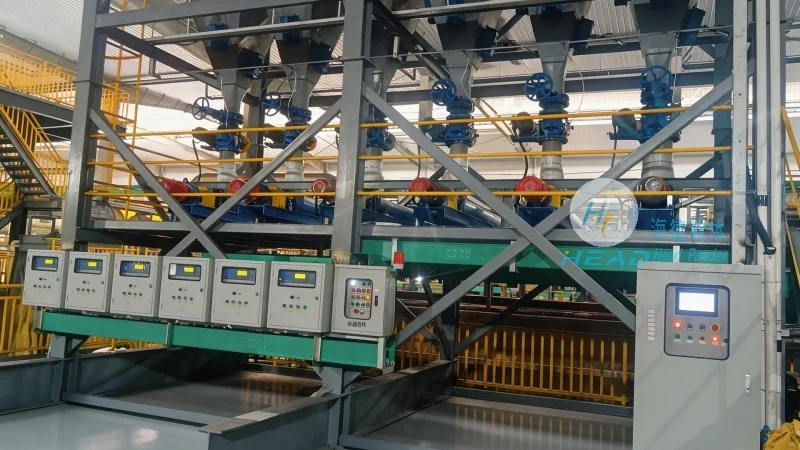
Types of Pneumatic Conveying Systems for Dry Powders
Pneumatic conveying systems are broadly categorized into two main types: positive pressure (pressure) systems and negative pressure (vacuum) systems. Positive pressure systems use a blower or compressor to generate air pressure that pushes the material through the pipeline, making them ideal for applications requiring high flow rates or long distances. These systems are often used in bulk material handling, such as transporting dry stone powders from storage silos to processing equipment. Negative pressure systems, on the other hand, use a vacuum to draw material into the system, which is suitable for applications where dust containment is a priority, such as in food or pharmaceutical industries. However, for dry stone powders, positive pressure systems are generally more common due to their ability to handle abrasive materials and large particle sizes without excessive wear.
Customized Solutions from Shandong HeadPowder Engineering Co., Ltd.
Shandong HeadPowder Engineering Co., Ltd., operating under the brand name headpowder, specializes in designing and manufacturing customized pneumatic conveying systems tailored to the unique needs of industrial clients. With years of experience in the field, headpowder understands that a one-size-fits-all approach is insufficient for effective dry powder handling. The company's team of engineers works closely with clients to assess their operational requirements, material characteristics, and environmental constraints to develop a system that maximizes efficiency and minimizes risks. For instance, headpowder may recommend a combination of positive pressure and vacuum stages for complex conveying routes, or incorporate advanced components like rotary airlocks and cyclone separators to enhance material separation and system performance.
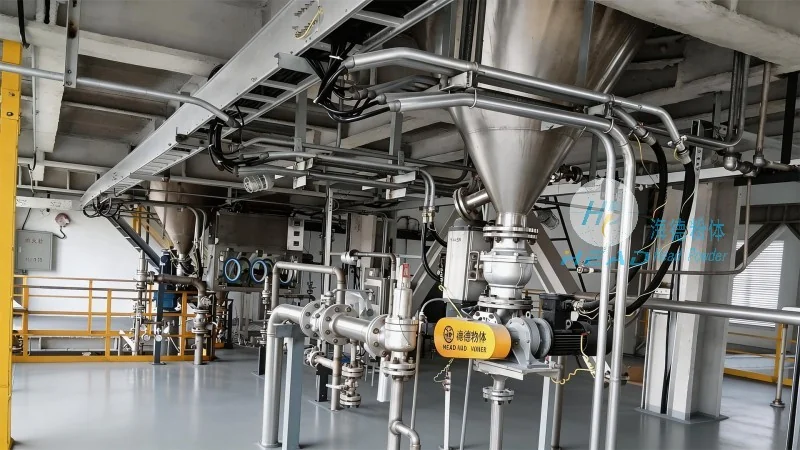
Ensuring Reliability and Safety in Dry Powder Conveying
Reliability and safety are paramount when operating pneumatic conveying systems for dry stone powders. headpowder emphasizes the importance of using high-quality materials and components to withstand the abrasive nature of the material and prevent system failures. The company's systems are designed with features such as dust collection and filtration to comply with environmental regulations and protect personnel from inhalation hazards. Additionally, headpowder incorporates safety features like pressure relief valves and explosion-proof designs for applications involving potentially flammable powders, ensuring compliance with industry standards and minimizing the risk of accidents.
Conclusion: Partnering with headpowder for Optimal Dry Powder Handling
Selecting the right pneumatic conveying system for your dry powder handling process requires a thorough understanding of material properties, operational requirements, and system capabilities. By considering factors such as material characteristics, conveying distance, and environmental needs, you can choose a system that enhances productivity while maintaining safety and efficiency. Shandong HeadPowder Engineering Co., Ltd., with its expertise in customized system design and manufacturing, offers reliable solutions that meet the specific demands of industrial operations. Whether you need a simple low-pressure system or a complex multi-stage setup, headpowder provides the expertise and equipment to ensure your dry stone powder handling process runs smoothly and safely.

 Shandong Headpowder Engineering Co., Ltd.
 156-6277-7102(Quản lý Trương)
  0531-83386006
  Thành phố Tế Nam, Tỉnh Sơn Đông, Trung Quốc
Điện thoại
WeChatTư vấn
Lên đầu